

Hedgehogs as Pets: What You Need to Know
Do hedgehogs make good pets? They can, for the right owner. Hedgehogs are quiet, tidy, and fascinating to watch, but they are nocturnal, solitary animals with specific needs for warmth, diet, and gentle handling. People who want a cuddly, daytime companion are usually happier with a different pet.
Photos of hedgehogs as pets make them look irresistible: a tiny, snuffling face, a pair of bright eyes, and a coat of quills that somehow looks soft. Real life is more nuanced. A new hedgehog may greet you with a hiss, roll into a spiky ball, and spend its first weeks learning that your hands are safe. Anyone who enjoys patience, evening routines, and a bit of quirky personality can find the experience wonderfully rewarding. Our exotic veterinarians at Veterinary Center for Birds & Exotics in Bedford Hills, NY, encourage prospective owners to learn the full picture before bringing one home.
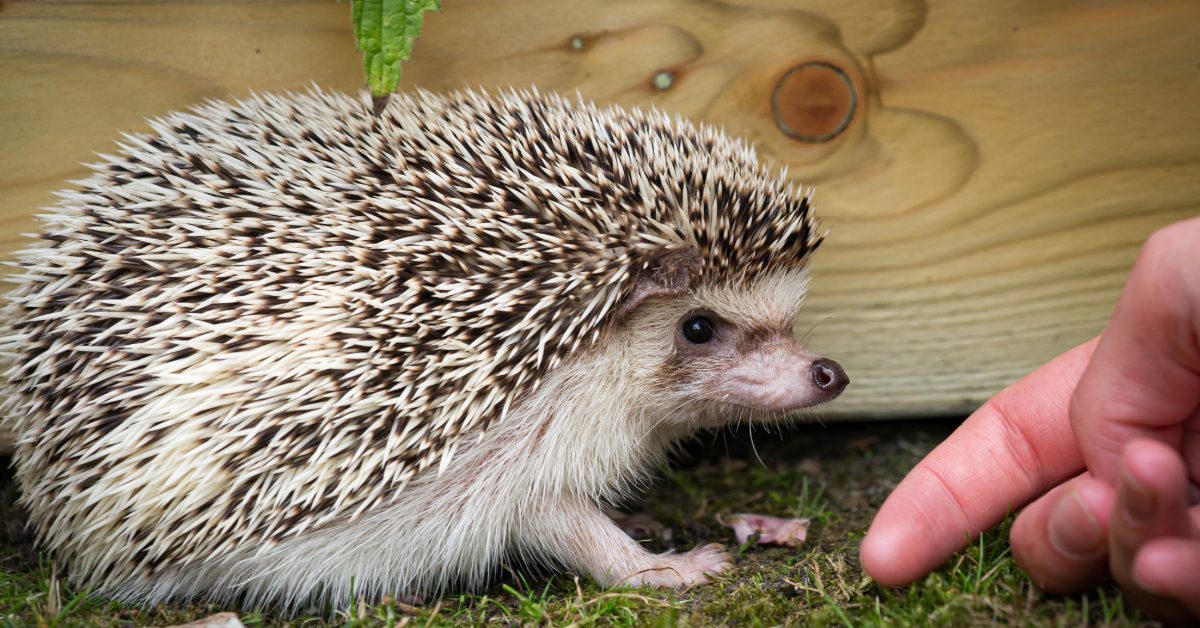
Do Hedgehogs Make Good Pets?
Whether hedgehogs as pets suit your household depends on your lifestyle, your expectations, and your willingness to meet a very particular set of care requirements.
What Makes Them Appealing
Hedgehogs produce little noise, take up modest space, and groom themselves meticulously. Many owners love watching them explore at night, trundle across a wheel, and burrow into a favorite hiding spot. A hedgehog that has learned to trust its person can become calm and curious during handling. For apartment dwellers or people who work during the day, a nighttime pet can fit surprisingly well into an evening routine.
Where They Can Be a Challenge
Hedgehogs are not social snugglers. They live alone, and many tolerate handling only in short sessions. Quills can prickle bare hands, particularly when a hedgehog is nervous or young. They also depend on steady warmth, so a power outage or a cold room can quickly become a problem. Hedgehogs as pets also need a diet that most grocery-store pet aisles do not stock in an obvious way, which means owners must plan ahead. Cost is another factor, since the heat source, large habitat, and specialized food add up beyond the price of the animal itself.
Who Tends to Succeed With One
The best matches are patient adults and responsible teens who enjoy quiet bonding. Young children can struggle with the quills and the nighttime schedule, so adult supervision is essential. Owners who like research, routine, and small, steady progress usually thrive. Plenty of people enjoy hedgehogs as pets for years, usually because they adopted with realistic expectations rather than a picture-perfect image.
Daily and weekly care tends to involve tasks like these:
- Offering fresh water and a measured portion of food each evening
- Spot cleaning the habitat and replacing soiled bedding
- Checking temperature readings in the habitat
- Spending short, quiet handling sessions after the hedgehog wakes
Understanding Hedgehog Personality and Behavior
Knowing what is normal for a hedgehog prevents misunderstandings and builds a stronger relationship.
Quills, Balling Up, and Trust
When a hedgehog feels threatened, it pops up its quills and curls into a tight ball. That reaction is a defense, not a sign of dislike. Hedgehogs as pets usually need weeks to relax around a new person, and a calm, consistent routine speeds the process. Letting the hedgehog smell a worn cloth or an unscented hand helps it learn who you are before you pick it up. Gloves can ease early handling for the owner, though bare hands and a familiar scent help the hedgehog bond faster over time.
Night-Owl Habits
Hedgehogs sleep through the day and become active after dark. They are strong runners and may cover miles on a wheel in a single night. Because their habitat noise peaks while the household sleeps, placing the enclosure in a quiet room away from bedrooms is a smart idea. Waking a sleeping hedgehog in the daytime often leads to grumpiness. Many owners find that hedgehogs as pets suit an evening routine, with a short handling session after dinner and then a quiet watch as the wheel gets going.
Strange but Normal Quirks
New owners are often surprised by anointing, a behavior in which a hedgehog chews something new, works up a foamy froth, and spreads it over its quills. It looks odd, but it is a common reaction to unfamiliar smells. Young hedgehogs also go through quilling, a stage where they shed baby quills and grow adult ones. Quilling can make them cranky and sore for a short time, so extra patience pays off. Neither habit is cause for alarm, but any skin changes that come along with them are worth mentioning to your veterinarian.
Setting Up a Home Where Hedgehogs Can Thrive
A good habitat for hedgehogs as pets covers warmth, space, and enrichment, and each piece matters for long-term health.
Warmth Comes First
African pygmy hedgehogs, the type usually kept as pets, come from warm regions and need steady room temperatures. A habitat that gets too cool can push a hedgehog toward a state resembling hibernation, which is dangerous in a captive pet. Most owners use a reliable heat source with a thermostat and a thermometer inside the enclosure, and your exotic veterinarian can recommend safe equipment. Temperature checks should be daily rather than occasional, because a thermostat can fail without warning.
Space, Wheels, and Hiding Places
Plan on a large, solid-floored enclosure with room for a hide, a food station, a bathroom corner, and a running wheel. The wheel should be big enough that the hedgehog’s back stays straight and have a solid surface instead of open rungs, which can trap little feet. Smooth, safe items for exploring, such as tunnels and cardboard tubes, round out the habitat. Hedgehogs as pets also benefit from rearranging tunnels and toys occasionally, which gives their curious minds something new to investigate.
Diet and Weight Management
Hedgehogs are insectivores, and the right diet usually blends a high-quality food with insects as treats. Do hedgehogs as pets need special food? Yes, because their bodies are built for insects rather than typical rodent diets. Treats like mealworms should stay small and occasional, since fatty extras add pounds quickly in an animal that already tends toward obesity. Obesity is a common problem in pet hedgehogs, so portion control and activity matter. Ask your veterinarian which food brands suit your pet’s age and body condition.
Gather these supplies before your new pet comes home:
- A large enclosure with a secure lid and a solid floor
- A thermostat-controlled heat source and a digital thermometer
- A wheel with a smooth, solid running surface
- Paper-based or fleece bedding without dust or strong scents
- A hide big enough to curl up inside comfortably
Health, Safety, and Legal Considerations
Responsible ownership includes planning for medical care, hygiene, and local rules.
Common Health Concerns
Hedgehogs can face obesity, dental disease, skin mites, and certain tumors as they age. Some also develop wobbly hedgehog syndrome, an inherited neurological condition that affects coordination. Because hedgehogs as pets hide illness well, early veterinary visits and a close eye on weight and behavior matter. Contact your exotic veterinarian at Veterinary Center for Birds & Exotics if you notice changes such as these:
- Weight gain or loss that seems sudden
- Unsteady walking or frequent stumbling
- Excessive quill loss, flaky skin, or itching
- Lethargy, lack of appetite, or green, runny stool
Hygiene and Germ Awareness
Like many small animals, hedgehogs can carry Salmonella bacteria without looking sick. Washing hands after handling the pet, cleaning the habitat, or touching its supplies is a simple, effective habit. Hands should be washed even when the hedgehog looks perfectly healthy, and the habitat is best cleaned away from kitchen counters and food areas. Families with infants, older adults, or anyone with a weakened immune system should discuss risks with a doctor before adopting.
Checking Local Laws
Rules about owning hedgehogs vary by state, county, and city, and some places restrict or prohibit them entirely. Anyone considering hedgehogs as pets should check with local authorities before committing, since a hedgehog purchased where it is not allowed can create heartbreak for both the family and the animal.
Finding a Veterinarian in Advance
Not every clinic treats hedgehogs, so locate an exotic veterinarian before you need one. An early wellness exam sets a baseline for weight, teeth, skin, and general condition. Ask whether the clinic sees hedgehogs regularly and how emergencies are handled outside normal hours, so you know where to go if something happens at night.
A Prickly Companion Worth Planning For
Hedgehogs reward owners who plan carefully and welcome their quirks. They are not low-effort pets, but they bring charm, personality, and a gentle kind of companionship to people who enjoy a slower pace. Whether hedgehogs as pets are right for you comes down to honest self-assessment. Visit a reputable breeder or rescue, meet the animals in person, and ask plenty of questions about temperament, health history, and diet before you decide.
If you are weighing hedgehogs as pets, consider scheduling a conversation with Veterinary Center for Birds & Exotics in Bedford Hills, NY. Our team can discuss housing, diet, and health with you before adoption, and they can examine your hedgehog after it arrives. Call us at (914) 864-1414 to schedule an appointment today. A little preparation helps your new pet settle in and gives you the confidence to enjoy every night-time adventure. Some families discover that another small pet suits them better, and that is a perfectly good outcome.
Recent Posts
MBD (Metabolic Bone Disease) in Leopard Geckos
The early signs of MBD in leopard geckos include walking with the belly dragging on the ground,…
How to Take Care of a Gecko
Geckos are a favorite among first-time reptile owners. They are quiet, fairly compact, and full of personality,…
How Big Do Leopard Geckos Get?
Most adult leopard geckos grow 7 to 10 inches long from nose to tail tip and weigh…
Snake Mouth Rot: Signs, Causes, and Treatment
The most common signs of snake mouth rot are tiny red spots or bleeding along the gums,…
Do Snakes Lay Eggs?
Do snakes lay eggs? Yes, most snakes lay eggs, but not all of them. Roughly 70 percent…
About Veterinary Centers for Birds and Exotics
If you have been looking for specialized care for your bird or exotic pet, look no further! We have you covered. At our unique animal hospital, we provide care to birds and exotics ONLY—no cats and dogs! We are the only bird and exotic veterinary hospital with a full-time, board certified bird specialist, Dr. Laurie Hess. Dr. Hess, who, with her associates, are the only full-time veterinarians in Westchester County who are residency-trained in bird and exotic medicine and surgery. Call to schedule an appointment for your pet!