

Why Is My Guinea Pig Coughing?
Why is my guinea pig coughing? A cough in a guinea pig is not normal, and it most often points to a respiratory infection or an irritant in the air. Heart disease, dental problems, and other conditions can also trigger coughing, so any cough deserves a prompt exam by an exotic animal veterinarian. Many owners describe the same moment: a small, dry noise from the cage, followed by a long pause. You freeze, listen, and half talk yourself out of what you heard. Perhaps it was hay dust, or a sneeze, or the water bottle. Then it happens again, and the question forms: why is my guinea pig coughing when he seemed perfectly fine yesterday? Guinea pigs hide illness well, so a sound that seems minor can be one of the few early clues you get. Our team at the Veterinary Center for Birds & Exotics in Bedford Hills, NY, encourages owners to trust that instinct. 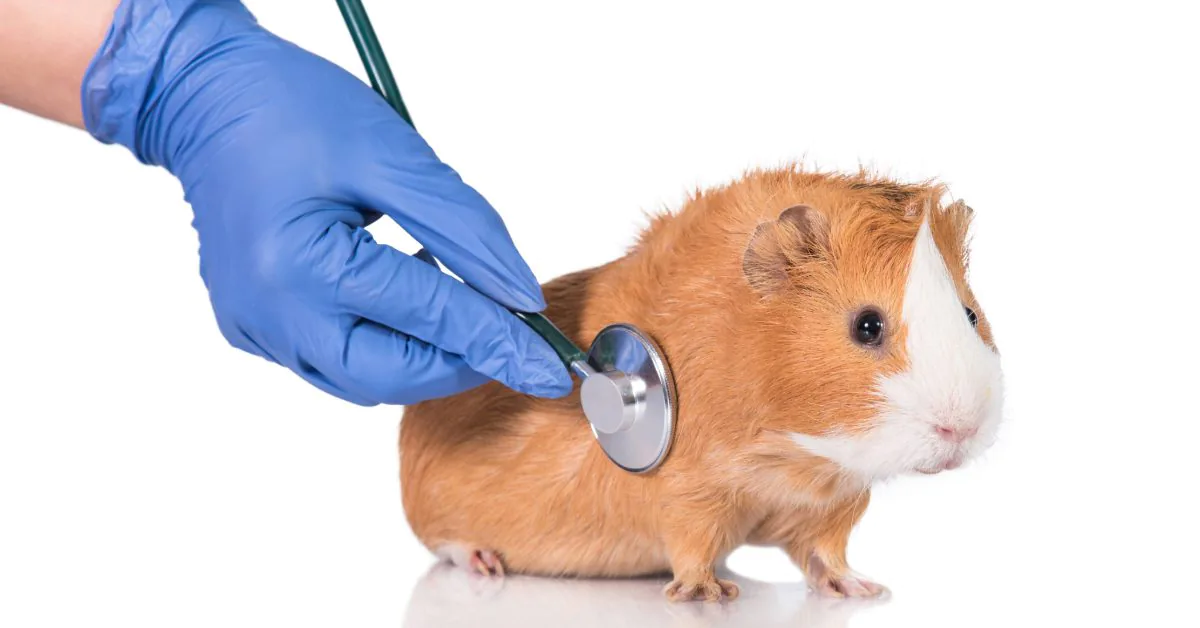
Is It Normal for Guinea Pigs to Cough?
An occasional sneeze or soft clearing of the throat can be ordinary, but true coughing is a different matter.
Coughing Versus Sneezing and Throat Clearing
Guinea pigs sneeze now and then, especially when they inhale dust from hay or bedding, and some rattle or hiccup briefly after drinking too fast. A single sneeze after a fresh pile of hay rarely signals trouble. A cough sounds different: it is typically a repeated, harsh, or wet noise, sometimes with a quick heave of the chest. When owners ask, “Why is my guinea pig coughing?” the first step is to describe what the sound is like, how often it occurs, and whether anything else has changed.
Why a Cough Is a Red Flag
Healthy guinea pigs seldom cough. The lungs and airways of these small animals are delicate, and respiratory problems can progress quickly. Because prey animals instinctively mask weakness, a guinea pig that coughs may already be dealing with something more serious than it appears. Treat coughing as a symptom that needs an answer, not a quirk to monitor for days. Anyone wondering “Why is my guinea pig coughing now when he never did before?” is right to take the change seriously, because a new sound in a quiet species is meaningful.
The Danger of Waiting
Waiting to see whether a cough clears up on its own is risky for a pet that weighs roughly two pounds. Illnesses that begin in the nose or throat can reach the lungs and lead to trouble breathing, a loss of appetite, and dangerous weight loss. Early veterinary attention generally makes treatment simpler. Owners who ask “Why is my guinea pig coughing?” on a Friday evening should not hold off until Monday, because emergency options and after-hours advice exist for exactly this situation. A short phone call can help you decide how quickly your pet needs to be seen.
Why Is My Guinea Pig Coughing? Common Causes
Several conditions can lie behind a cough, and only a veterinarian can say which one is responsible.
Respiratory Infections
The most common explanation is an infection of the nose, throat, or lungs, often caused by bacteria. These infections can spread between guinea pigs and may be triggered by stress, poor ventilation, or sudden temperature changes. Anyone asking “Why is my guinea pig coughing?” alongside sneezing, nasal discharge, or noisy breathing should consider infection a leading possibility and arrange an exam right away.
Dust, Bedding, and Other Irritants
Dusty bedding, low-quality hay, strong cleaning products, scented sprays, cigarette smoke, and candles can all irritate a guinea pig’s airways. Irritants may cause coughing on their own, and they can also set the stage for infection by inflaming delicate tissue. If you recently changed bedding, hay, or room products and the coughing began soon after, share that detail with your veterinarian. Even a spotless cage can cause trouble if the room has poor airflow, so mention nearby sprays, diffusers, and cleaning habits too. Asking “Why is my guinea pig coughing?” without checking the air quality in the room means missing one of the simplest clues.
Heart and Chest Conditions
Older guinea pigs can develop heart disease, which may cause fluid to build up in or around the lungs and lead to coughing, tiredness, and fast breathing. Tumors or other chest conditions can produce similar signs. These problems require diagnostic testing and cannot be sorted out by listening at home.
Dental Problems and Food Aspiration
Overgrown or misaligned teeth can make chewing painful and, in some cases, lead to food particles slipping into the airway. A guinea pig that coughs while eating, drools, or drops food may have a mouth problem. If you are asking “Why is my guinea pig coughing around mealtime?” mention it clearly at the appointment.
Symptoms That Travel With a Cough
The company a cough keeps often tells a veterinarian more than the cough itself.
Changes in Breathing and Appetite
Watch for fast, shallow, or labored breathing, a visibly heaving chest, or a clicking or wheezing sound. A drop in appetite is especially worrying in a species that must eat throughout the day. A guinea pig that stops eating can decline rapidly, so appetite is one of the most useful things to track while you wait for your appointment. Note how much hay disappears overnight, whether favorite vegetables are ignored, and whether droppings look smaller or fewer than usual. These details help explain why your guinea pig is coughing and give the veterinary team a clearer sense of how sick your pet may be.
Nose, Eyes, and Energy
Crusty or wet nostrils, watery or sticky eyes, and a rough coat are common companions of respiratory illness. A normally chatty pet may grow quiet, hunch in a corner, or hide more than usual. Owners who ask “Why is my guinea pig coughing and lethargic at the same time?” should treat the combination as urgent. Quiet, fluffed-up, and unusually still are all signs that deserve a prompt exam, even if the cough itself seems mild.
Emergency Signs
Some signs call for immediate care, not a scheduled visit. Call an exotic veterinarian at Veterinary Center for Birds & Exotics or an emergency clinic right away if you notice any of these:
- Breathing with an open mouth or visible effort in the chest and belly
- Bluish or very pale gums or lips
- Collapse, extreme weakness, or refusal to move
- No eating or drinking for a day
- Coughing that keeps returning and worsens quickly
How Veterinarians Find the Cause and Protect Lung Health
A thorough exam gives a clearer picture than guesswork, and a few habits at home help protect the lungs afterward.
The Exam and Testing
Your veterinarian will listen to the chest, check weight and body condition, look inside the mouth, and ask about housing, diet, and recent changes. Depending on what the exam shows, the team may recommend imaging, lab work, or other diagnostics to look for infection, heart disease, or dental trouble. Detailed notes from home, including videos of the cough, can help, since some pets stay quiet in the exam room. Veterinarians also consider age, because heart disease and tumors become more likely in older guinea pigs while infections can strike at any age.
Treatment Belongs With Your Veterinarian
Treatment depends on the cause and may include prescription medication, supportive care, and guidance on the habitat. Never give human cough syrups, leftover antibiotics, or herbal remedies, because these can be dangerous for guinea pigs and may delay proper care. Some antibiotics that are safe for other pets can seriously harm a guinea pig’s digestive system, which is another reason to rely on an exotic veterinarian.
Habits That Support Healthy Lungs
A few steady routines make it harder for airway problems to take hold. Consider these habits:
- Choose dust-free bedding and fresh, clean hay
- Place the cage in a draft-free room away from smoke and aerosol sprays
- Clean the habitat regularly so ammonia does not build up
- Ask your veterinarian about a diet that includes enough vitamin C
- Schedule annual wellness exams so subtle changes get noticed sooner
A Small Cough Deserves a Quick Response
When a tiny noise from the cage makes you stop what you are doing, it is worth listening to, because the question “Why is my guinea pig coughing?” has real answers, from irritating dust to infections and heart disease, and none of them can be solved by waiting. Jot down when the coughing happens, take a short video, and note any changes in appetite, droppings, or energy.
If you’re still asking why your guinea pig is coughing after an hour of listening should skip the guesswork and call Veterinary Center for Birds & Exotics in Bedford Hills, NY, at (914) 864-1414 to describe what you have seen. Our exotic animal veterinarians can examine your guinea pig, find the cause, and recommend a plan. A quick phone call today can spare your pet days of discomfort and give your whole household peace of mind.
Recent Posts
What Do Pet Rabbits Eat? A Practical Feeding Guide
What do pet rabbits eat? Mostly hay, plus leafy greens and a few pellets. Learn portions and...
Why Do Rabbits Eat Their Poop? The Science Behind a Strange Habit
Why do rabbits eat their poop? Learn about cecotropes, normal vs. concerning droppings, and when to call...
Why Is My Rabbit Not Eating?
Why is my rabbit not eating? Learn common causes, warning signs, and when to call Veterinary Center...
Do Pet Rats Carry Diseases?
Do pet rats carry diseases? Yes, like nearly every animal, they can carry germs, and a small…
How Long Do Pet Rats Live?
Most pet rats live about two to three years, and a few reach four with excellent genetics…
About Veterinary Centers for Birds and Exotics
If you have been looking for specialized care for your bird or exotic pet, look no further! We have you covered. At our unique animal hospital, we provide care to birds and exotics ONLY—no cats and dogs! We are the only bird and exotic veterinary hospital with a full-time, board certified bird specialist, Dr. Laurie Hess. Dr. Hess, who, with her two associates, Dr. Amanda Marino and Dr. Amanda Dewey, are the only full-time veterinarians in Westchester County who are residency-trained in bird and exotic medicine and surgery. Call to schedule an appointment for your pet!