

How Long Do Pet Rats Live?
Most pet rats live about two to three years, and a few reach four with excellent genetics and care. That is a short stretch compared with dogs or cats, which is why every healthy month with a pet rat counts. A pet rat’s whole lifetime is shorter than the typical phone contract. In that window, a tiny pup grows into a confident adult, learns its person’s voice, masters the art of stealing a cracker, and eventually slows into a sleepy senior who prefers a lap to a wheel. Many people ask how long pet rats live before they bring one home, and the honest answer comes with both a number and a reminder: lifespan depends heavily on genetics, diet, housing, and early medical attention. Our exotic animal veterinarians at the Veterinary Center for Birds & Exotics in Bedford Hills, NY, see rats at every stage of life, from nervous first-timers to gray-muzzled grandparents. Knowing what shapes those years helps owners make the most of them.
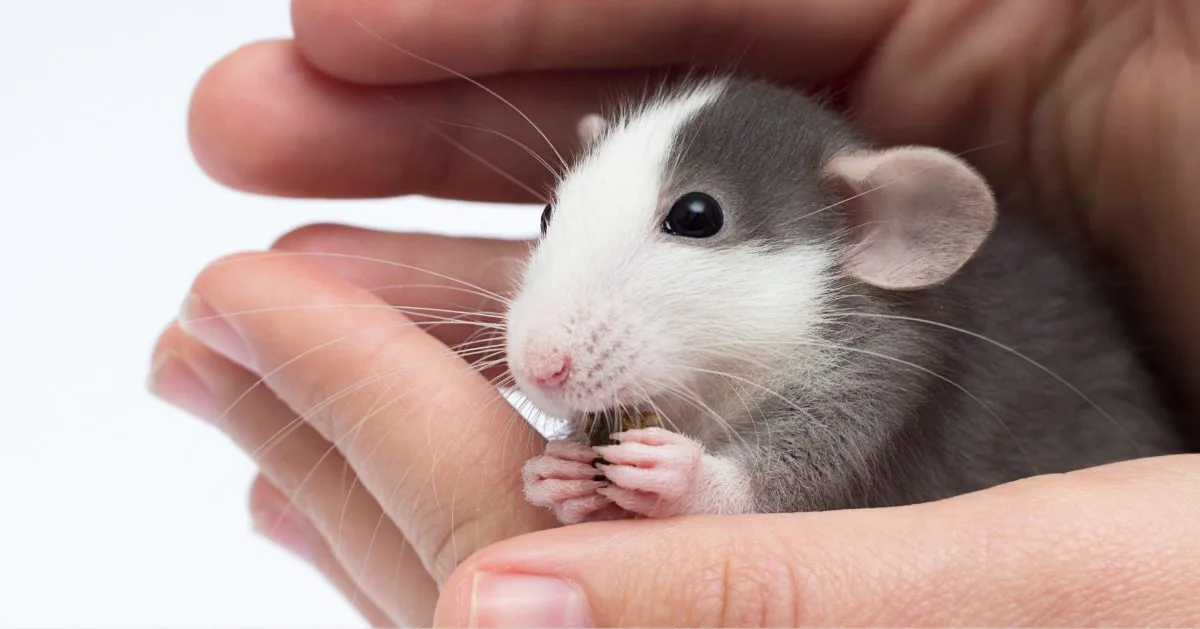
How Long Do Domesticated Rats Live?
The typical range is narrow, yet individual rats can fall on either side of it for reasons worth understanding.
The Typical Two-to-Three-Year Range
Fancy rats, the domesticated variety kept as pets, usually live between two and three years. Some pass away sooner because of illness or inherited weaknesses, while a lucky few live a little beyond three. Anyone wondering “How long do pet rats live?” in practical terms should plan for a commitment of roughly two to three years, with the possibility of a bit more or a bit less.
Why Wild Rats Live Even Less
Wild rats face predators, harsh weather, scarce food, and disease, so most survive only about a year. Pet rats enjoy safe housing, regular meals, and veterinary care, which is why their lifespan stretches longer. Yet even a pampered pet rat ages quickly, because the species is built for a fast life cycle and rapid reproduction.
Why the Number Feels So Short
Rats mature within a few months and enter old age before their second birthday. A one-year-old rat is already a young adult in its prime, and by two it may show signs of seniority. When owners ask “How long do pet rats live?” they are often surprised that a two-year-old is no longer young. Knowing the timeline early lets families schedule checkups and adjust routines at the right moments. Parents who answer how long pet rats live for a child should also explain that the short lifespan is normal for the species and not a sign that anything went wrong. Gentle honesty up front makes the eventual goodbye easier on everyone.
What Shapes a Rat’s Lifespan
Several factors pull the average up or down, and some are well within an owner’s control.
Genetics and Source
A rat’s family history matters a great deal. Rats bred with careful attention to health tend to enjoy stronger immune systems and fewer inherited problems. Rats from crowded or unplanned breeding situations may carry tendencies toward respiratory illness or tumors. Asking a breeder or rescue about the parents’ longevity offers a useful clue about what to expect. Anyone researching how long pet rats live in a specific bloodline can ask how old the parents and grandparents were and what health problems appeared. Rats adopted from rescues may have unknown histories, so a prompt wellness exam is especially valuable for them.
Diet and Body Condition
Obesity is one of the biggest threats to a long life in pet rats. A balanced lab-block or high-quality pellet diet, with fresh vegetables and small portions of treats, supports steady weight and healthy organs. Your veterinarian can recommend a diet that fits your rat’s age and body condition. Weighing your rat monthly on a kitchen scale makes slow changes easy to spot. Many owners who wonder “How long do pet rats live?” find that steady weight management is the single most controllable factor. Treats such as seeds, yogurt drops, and nuts should stay small and occasional, because fatty extras add pounds quickly.
Environment, Company, and Stress
Rats are intensely social and do best with a same-sex companion, a roomy multilevel cage, and daily time outside it. Boredom and isolation create stress, and stress can weaken immunity. Clean, dust-free bedding and good ventilation protect delicate lungs. Households that follow these habits often find that their rats stay lively well into their second year. Temperature matters too, since rats cope poorly with heat and drafts. A cage placed away from sunny windows, vents, and loud appliances gives a rat the calm, steady surroundings that support long-term health.
Life Stages From Pup to Senior
Each stage brings different needs, and recognizing them helps your rat feel comfortable for the whole journey.
Pups and Juveniles
The first few months are a time of fast growth, curiosity, and boundless energy. Young rats learn quickly, bond with their people, and benefit from gentle handling and a first wellness exam. A solid start in these early weeks shapes behavior and health later. Introduce new foods slowly, provide chew toys for growing teeth, and let your pup explore a safe play area daily. Early exams also give our veterinary team a chance to answer “How long do pet rats live?” for that particular animal, based on what they see.
Adult Rats in Their Prime
Between roughly six months and eighteen months, rats are strong, playful, and fully grown. This is the time to build good habits: consistent feeding, regular cage cleaning, and daily enrichment. Owners who ask “How long do pet rats live?” can use this period to set a foundation that supports longevity. Keep notes on weight, appetite, and favorite activities now, because they become a valuable baseline once your rat reaches its senior years.
Seniors From Around Two Years
Many rats begin acting like seniors around the age of two. They may sleep more, move more slowly, lose some muscle tone in the hind legs, or develop a rougher coat. Aging does not mean decline is inevitable, but it does mean extra attention, softer bedding, and easier access to food and water. Watch for these signs of aging:
- Slower movement or wobbliness in the back legs
- Weight loss despite a normal appetite
- A thinner, rougher, or oilier coat
- More time sleeping and less interest in play
- Difficulty climbing or reaching food
Health Problems That Affect Longevity
Some illnesses show up often in pet rats, and early detection can make a significant difference in comfort and length of life.
Respiratory Disease
Chronic respiratory infections are among the most common problems in pet rats. Sneezing, noisy breathing, red-brown crust around the nose or eyes, and labored breathing all call for a veterinary exam. Only a veterinarian can diagnose and treat respiratory disease, and medication should never be guessed at home.
Tumors and Lumps
Rats are prone to developing lumps, especially mammary tumors in females. Many are benign, but any new lump deserves attention because tumors can grow quickly. Checking your rat’s body during weekly handling sessions helps you catch changes early. A veterinarian can discuss options based on your rat’s overall health, age, and the size and location of the lump. Prompt attention gives your rat more choices and often a more comfortable outcome, and it keeps the answer to “How long do pet rats live?” from being cut short by something that could have been addressed sooner.
Other Conditions Linked to Age
Older rats may face kidney disease, heart changes, dental issues, and mobility problems. Any of these can shorten life or reduce comfort if ignored. Many owners also wonder “How long do pet rats live?” once they develop an illness, and the answer depends on the condition, how early it is found, and how the rat responds to veterinary care. Contact one of our exotic veterinarians at Veterinary Center for Birds & Exotics if you see sudden weight loss, repeated sneezing, hunched posture, or a drop in appetite. Regular wellness exams give the veterinary team a baseline so that small shifts stand out early.
Daily Care That Supports a Longer Life
Small habits repeated every day add up, and most of them cost little more than attention.
Cage Setup and Cleanliness
Choose a large, well-ventilated cage with solid flooring, hammocks, hides, and chew items. Spot clean every day and do a full cleaning on a regular schedule so that ammonia never builds up. Avoid aromatic shavings, which can irritate the airways, and select dust-free bedding instead. Good housekeeping is a quiet answer to “How long do pet rats live?” since clean air and dry bedding protect the lungs that fail first in so many rats. Wash water bottles and food dishes often, and wipe down shelves where droppings collect.
Enrichment and Exercise
Rats are clever and need things to do, which is part of why a well-enriched rat so often outlives a bored one. Rotate toys, offer cardboard tubes and foraging games, and allow safe supervised time outside the cage each day. Mental stimulation and movement help maintain a healthy weight and a bright outlook.
Routine Veterinary Care
Choose an exotic animal veterinarian before you need one. Annual exams are a good rule, and senior rats often benefit from visits more often. Bring a list of questions and any notes on appetite, droppings, or behavior. These simple habits help support a longer life:
- Weigh your rat monthly and record the number
- Run your hands over the body weekly to feel for lumps
- Provide a companion of the same sex
- Rotate toys and foraging activities every week
Making the Most of Every Rat Year
Rat years pass quickly, but they can be rich ones when you plan for them. Anyone still asking how long do pet rats live should remember that the number matters less than the quality of each day. Pick a veterinarian early, watch the scale, and treat every sneeze or lump as worth a second look. Families in Bedford Hills and beyond who want help planning a rat’s care from pup to senior can call the Veterinary Center for Birds & Exotics at (914) 864-1414, where exotic animal veterinarians happily answer questions about diet, housing, and aging, and who can help you build a checkup schedule that fits each stage of your rat’s life. Those two or three years go fast, and a rat that is well cared for fills every one of them with curiosity, affection, and a surprising amount of personality.
Recent Posts
What Do Pet Rabbits Eat? A Practical Feeding Guide
What do pet rabbits eat? Mostly hay, plus leafy greens and a few pellets. Learn portions and...
Why Do Rabbits Eat Their Poop? The Science Behind a Strange Habit
Why do rabbits eat their poop? Learn about cecotropes, normal vs. concerning droppings, and when to call...
Why Is My Rabbit Not Eating?
Why is my rabbit not eating? Learn common causes, warning signs, and when to call Veterinary Center...
Do Pet Rats Carry Diseases?
Do pet rats carry diseases? Yes, like nearly every animal, they can carry germs, and a small…
Why Is My Guinea Pig Coughing?
Why is my guinea pig coughing? A cough in a guinea pig is not normal, and it…
About Veterinary Centers for Birds and Exotics
If you have been looking for specialized care for your bird or exotic pet, look no further! We have you covered. At our unique animal hospital, we provide care to birds and exotics ONLY—no cats and dogs! We are the only bird and exotic veterinary hospital with a full-time, board certified bird specialist, Dr. Laurie Hess. Dr. Hess, who, with her two associates, Dr. Amanda Marino and Dr. Amanda Dewey, are the only full-time veterinarians in Westchester County who are residency-trained in bird and exotic medicine and surgery. Call to schedule an appointment for your pet!