

MBD (Metabolic Bone Disease) in Leopard Geckos
The early signs of MBD in leopard geckos include walking with the belly dragging on the ground, trouble climbing or gripping, small twitches in the toes or legs, missed strikes at insects, and a reduced appetite. As metabolic bone disease progresses, the jaw may soften or look shortened, the legs may bow, and the spine or tail can develop kinks. MBD develops when a gecko’s body cannot keep enough calcium in its bones. Because leopard geckos eat only insects and are active mostly at dusk and night, they depend heavily on properly dusted feeders and, increasingly, low-level UVB lighting to stay healthy. When either piece falls short, the skeleton gradually weakens. The good news is that early cases often respond well to veterinary care and corrected husbandry. At Veterinary Center for Birds & Exotics, we diagnose and manage MBD in leopard geckos for families across Westchester County, and catching it early makes a meaningful difference.
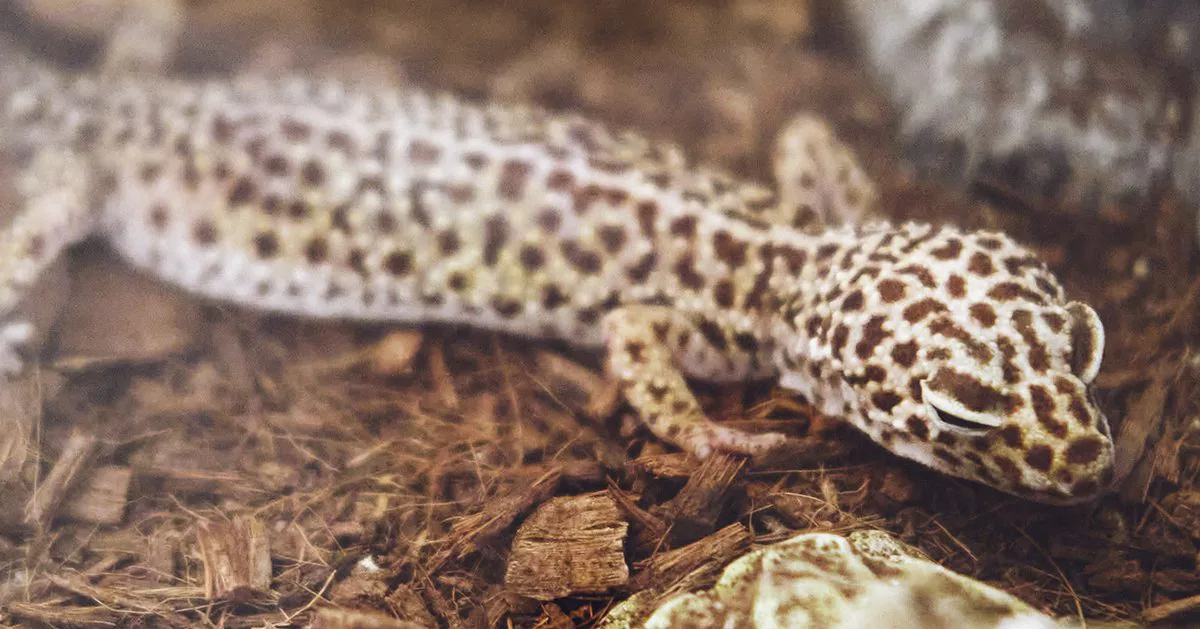
Early Signs of MBD in Leopard Geckos
The first changes are easy to dismiss as quirks of personality. Paying attention to how your gecko moves, eats, and holds its body helps you notice trouble before bones become visibly deformed.
Changes in Movement
Healthy leopard geckos walk with their bodies lifted off the ground. One of the most common early signs of MBD in leopard geckos is “belly dragging,” where the gecko struggles to hold itself up and slides along the substrate instead. You may also notice a wobbly or splayed walk, difficulty climbing onto hides, or slipping off surfaces it used to manage easily.
Feeding Difficulties
A gecko with weakening bones may lunge at insects and miss repeatedly, or catch prey and struggle to chew it. Some geckos lose interest in food altogether. Since a softening jaw can make biting uncomfortable, a sudden change in hunting skill deserves attention.
Subtle Physical Clues
Early MBD in leopard geckos can also show up as:
- Fine tremors or twitching in the toes, feet, or tail
- A weaker grip when you gently support your gecko in your hand
- Slightly swollen or thickened limbs
- Lethargy or spending more time lying flat in one spot
- Slower growth compared with other geckos of the same age
Why Early Detection Matters
Once bones bend or fracture, those changes may be permanent. Identifying the problem at the twitching and belly-dragging stage gives your veterinarian the best opportunity to halt progression before lasting deformities set in.
What Do Advanced Cases of MBD Look Like?
Without intervention, the condition continues to weaken the skeleton. Advanced MBD in leopard geckos is usually easy to see, and it often affects a gecko’s quality of life.
Skeletal Changes
The lower jaw may become soft and rubbery, or it may look shortened, creating an overbite. Legs can bow outward into a frog-like posture, and the spine or tail may develop waves or sharp kinks. Some geckos have visible lumps along their limbs where the body has tried to reinforce weakened bone.
Fractures and Mobility Loss
Fragile bones can break during ordinary activity, such as climbing or being handled. Geckos in advanced stages may lose the ability to lift their bodies entirely or move their back legs normally.
Emergency Signs
Very low calcium levels can affect nerves and muscles throughout the body. Seizures, sudden paralysis, or an inability to move warrant an emergency visit with an exotic veterinarian. Keep your gecko warm and contained in a secure container during transport, and call ahead so the team can prepare.
Egg-Laying Females at Higher Risk
Female leopard geckos can produce eggs even without a male, and each clutch draws heavily on their calcium stores. Females that lay repeatedly without adequate support can develop MBD quickly, so any signs of weakness during breeding season need prompt attention. Young, fast-growing juveniles face similar risks because their skeletons are still developing.
What Causes MBD in Leopard Geckos?
MBD in leopard geckos almost always comes down to nutrition and environment. Several factors often work together, which is why a full review of your gecko’s care is so important.
Calcium and Vitamin D3 Gaps
Common feeder insects, including mealworms and crickets, naturally contain much more phosphorus than calcium. Without proper supplementation, a gecko’s diet tips out of balance. Vitamin D3 is also essential because it allows the body to absorb calcium. Skipping supplements, using expired products, or choosing the wrong formula can all leave gaps.
Lighting and Heat
Leopard geckos were long kept without UVB, relying entirely on dietary D3. Today, many reptile veterinarians recommend low-level UVB to support natural vitamin D3 production. Heat matters too, since a warm side that runs too cool slows digestion and nutrient absorption.
Poorly Fed Insects
Feeder insects are only as nutritious as what they eat. Insects that are not gut loaded before feeding offer far less nutritional value to your gecko. Relying on a single type of feeder, such as mealworms alone, can also narrow the range of nutrients your gecko receives over time.
Too Much of a Good Thing
Over-supplementing can also cause problems. Excessive vitamin D3 may lead to dangerous calcium deposits in soft tissues. This is why a veterinarian-guided supplement plan is safer than guessing.
How Do Veterinarians Diagnose and Treat MBD?
A prompt veterinary exam confirms whether a gecko has metabolic bone disease, how severe it is, and what caused it. That information shapes a plan for recovery.
The Exam and Diagnostic Tests
Your veterinarian will gently evaluate your gecko’s jaw, limbs, spine, and tail and ask detailed questions about diet, supplements, lighting, and temperatures. X-rays can reveal bone density and hidden fractures, and bloodwork may be recommended to measure calcium levels and check organ function.
Treatment Options
Mild MBD in leopard geckos may improve with prescription calcium support and corrected husbandry. More serious cases can require injectable medications, fluids, assisted feeding, or care for fractures. Existing bends in the bones may remain, but treatment can stop the disease from progressing and help many geckos live comfortably. Avoid adding extra supplements on your own during treatment, as your veterinarian will tailor the plan to your gecko’s needs.
Recovery from MBD in leopard geckos takes time. Follow-up visits and repeat X-rays allow your veterinarian to track improvements in bone density and adjust the plan as your gecko regains strength.
Prevention Going Forward
Preventing MBD in leopard geckos is far easier than treating it. During a wellness visit, your veterinarian can help you:
- Choose calcium and vitamin products and set a dusting schedule that fits your gecko’s age
- Decide whether low-level UVB makes sense for your enclosure and how to position it
- Confirm warm-side and cool-side temperatures with your current equipment
- Build a varied rotation of gut-loaded feeder insects
- Plan extra monitoring for growing juveniles and breeding females
Replacing supplements before they expire and noting the install date of any UVB bulb are two simple habits that support long-term bone health.
Habitat Adjustments During Recovery
Geckos recovering from MBD often need a simpler layout with low hides, shallow climbing areas, and soft, flat surfaces to reduce the risk of falls. Your veterinarian may also recommend limiting handling until bones grow stronger.
Helping Your Leopard Gecko Build Stronger Bones
MBD in leopard geckos is common but largely preventable. Watching for early signs like belly dragging, twitching, and missed strikes, and pairing that awareness with veterinary guidance on diet and lighting, gives your gecko the best chance at a healthy life.
If your gecko seems weak, shaky, or unusually clumsy, our team at Veterinary Center for Birds & Exotics provides comprehensive reptile care for leopard geckos throughout Westchester County, NY. Call us at (914) 864-1414 to schedule an exam or a diet and habitat review.
Recent Posts
How to Take Care of a Gecko
Geckos are a favorite among first-time reptile owners. They are quiet, fairly compact, and full of personality,…
How Big Do Leopard Geckos Get?
Most adult leopard geckos grow 7 to 10 inches long from nose to tail tip and weigh…
Snake Mouth Rot: Signs, Causes, and Treatment
The most common signs of snake mouth rot are tiny red spots or bleeding along the gums,…
Do Snakes Lay Eggs?
Do snakes lay eggs? Yes, most snakes lay eggs, but not all of them. Roughly 70 percent…
What Do Snake Mites Look Like?
Snake mites look like tiny black, dark red, or brown dots, roughly the size of a pinhead…
About Veterinary Centers for Birds and Exotics
If you have been looking for specialized care for your bird or exotic pet, look no further! We have you covered. At our unique animal hospital, we provide care to birds and exotics ONLY—no cats and dogs! We are the only bird and exotic veterinary hospital with a full-time, board certified bird specialist, Dr. Laurie Hess. Dr. Hess, who, with her associates, are the only full-time veterinarians in Westchester County who are residency-trained in bird and exotic medicine and surgery. Call to schedule an appointment for your pet!