

How Big Do Leopard Geckos Get?
Most adult leopard geckos grow 7 to 10 inches long from nose to tail tip and weigh roughly 45 to 80 grams. Males are usually larger than females, and certain “giant” bloodlines can reach 11 inches or more and weigh over 100 grams. Leopard geckos are one of the most popular pet lizards in the country, and their manageable size is a big part of the appeal. A hatchling that fits in the palm of your hand will grow into a sturdy adult within about a year and a half, but the exact size your gecko reaches depends on genetics, sex, diet, and overall health. At Veterinary Center for Birds & Exotics, we regularly weigh and examine leopard geckos for Westchester County families, and size changes are often one of the first clues that a gecko needs attention. This blog covers adult size, growth stages, the factors that affect how large a gecko gets, and how to tell whether your pet is at a healthy weight.
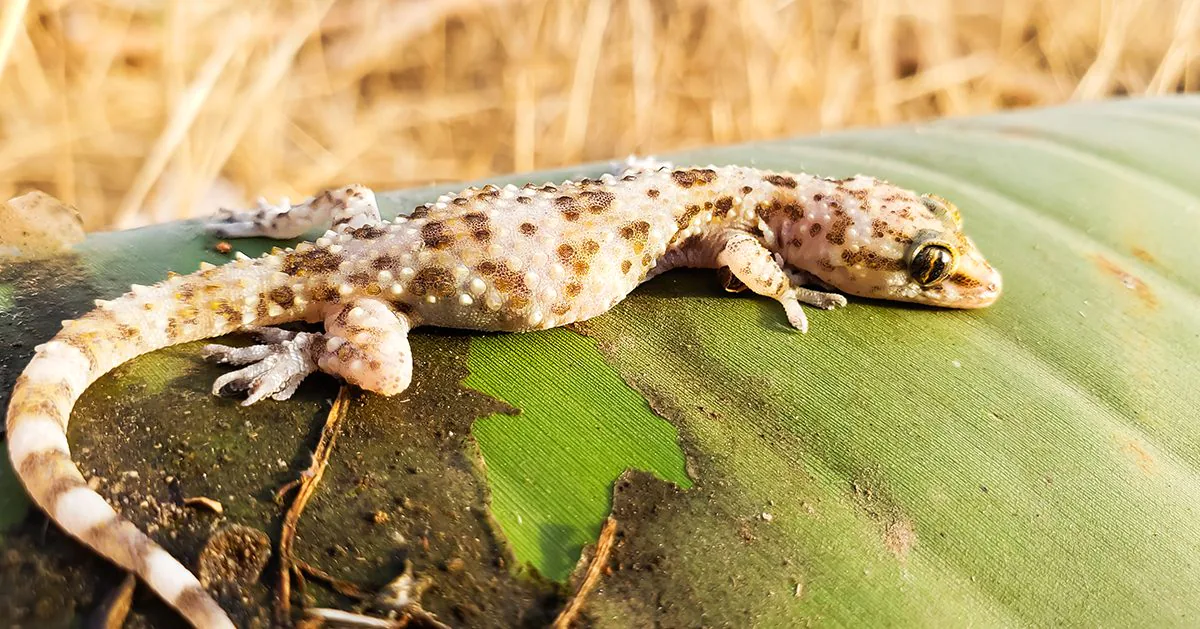
How Big Can Leopard Geckos Get?
Adult size falls within a fairly predictable range, though individual geckos can vary. Sex and genetics play the largest roles in where your pet lands within that range.
Typical Adult Length and Weight
A healthy adult leopard gecko commonly measures between 7 and 10 inches in total length. Weight usually falls somewhere between 45 and 80 grams, with most adults settling in the middle of that range. Because the tail stores fat, two geckos of the same length can weigh quite differently.
Males Versus Females
Males generally grow larger and heavier than females. A typical adult male may measure 8 to 10 inches, with a broader head and thicker build. Females often stay closer to 7 or 8 inches and have a slimmer frame. Interestingly, the temperature at which an egg is incubated influences whether a hatchling develops as male or female, which indirectly affects adult leopard gecko size.
Giant and Super Giant Bloodlines
Breeders have developed lines known as giants and super giants that grow noticeably larger than average. These geckos may reach 11 inches or longer, with some males weighing well over 100 grams. When owners of these specialty lines ask, “How big do leopard geckos get?” the answer can surprise them, so ask your breeder about the parents’ size before you bring one home.
How to Measure Your Gecko
Length is measured from the tip of the nose to the end of the tail. Weight is often a more useful number to track, since it changes sooner when health shifts. A small digital kitchen scale that measures in grams makes routine weigh-ins easy.
How Fast Do Leopard Geckos Grow?
Leopard gecko size changes dramatically during the first year, as these lizards grow quickly before slowing down in their second year. Knowing what to expect at each stage helps you track progress.
Growth by Life Stage
While every gecko grows at its own pace, these general benchmarks offer a helpful guide:
- Hatchlings: about 3 to 4 inches long and only a few grams at birth
- Juveniles (2 to 6 months): rapid growth, often adding several grams each month
- Subadults (6 to 12 months): approaching adult length, with growth starting to slow
- Adults (12 to 18 months and older): near full length, though some continue to fill out until about two years of age
When Growth Levels Off
Most leopard geckos reach their adult length by 12 to 18 months. After that, changes in weight usually reflect body condition rather than growth. A steady adult weight from month to month is generally a good sign.
Females that produce eggs may show temporary weight swings during the breeding season, even without a male present. If your female’s weight shifts noticeably along with changes in appetite or behavior, a veterinary visit can confirm whether eggs are developing normally.
Tracking Growth at Home
Weighing your gecko every week or two and writing down the results creates a simple growth chart. This record helps you notice slowdowns, sudden drops, or unexpected gains, and it gives your veterinarian useful information during checkups. Comparing your notes with typical leopard gecko size ranges also shows whether your pet is on track for its age.
What Affects Leopard Gecko Size?
Genetics set the upper limit, but care and health determine whether a gecko actually reaches its full potential. Several factors work together to shape final leopard gecko size.
Genetics and Bloodline
A gecko’s parents offer the best preview of its adult leopard gecko size. Offspring of large parents tend to grow larger, while those from smaller lines usually stay more compact.
Nutrition
Leopard geckos eat insects, and a varied, properly supplemented diet supports healthy bone and muscle growth. Diets lacking calcium or vitamin D3 can lead to metabolic bone disease, which may stunt growth and cause deformities. Your veterinarian can recommend an appropriate feeding and supplement plan for your gecko’s age.
Temperature and Habitat
Like all reptiles, leopard geckos rely on outside heat to digest food. A warm side of the enclosure that runs too cool can slow digestion and growth. A proper temperature gradient helps them use their food efficiently.
Health Problems
Parasites, digestive infections, and other illnesses can prevent a gecko from absorbing nutrients, leading to poor growth or weight loss. A gecko that stops growing despite good care should see an exotic veterinarian.
Tail Loss
Leopard geckos can drop their tails when frightened or grabbed. The tail grows back, but the regrown version is usually shorter, smoother, and more rounded. This can reduce overall length even when the gecko is otherwise healthy. Because the tail stores fat, losing it also removes an important energy reserve, so a gecko that recently dropped its tail may benefit from a checkup.
How Can You Tell If Your Leopard Gecko Is a Healthy Size?
Length alone does not tell the whole story when judging leopard gecko size. Body condition, especially the tail, offers the clearest picture of your gecko’s health.
Reading the Tail
A healthy leopard gecko’s tail is plump and roughly as wide as its neck, since it serves as a fat reserve. A thin, narrow tail can signal weight loss, parasites, or illness. An extremely wide tail combined with fat deposits elsewhere may point to overfeeding.
Signs Your Gecko May Be Underweight or Overweight
Contact your veterinarian if you notice:
- A thin tail or visible hip bones
- Steady weight loss over several weigh-ins
- A sagging belly or bulges in the armpit areas
- Reduced appetite combined with weight changes
- Lethargy or difficulty moving normally
Choosing the Right Enclosure Size
A single adult leopard gecko needs at least a 20-gallon long enclosure, though many keepers prefer a 40-gallon tank or larger to allow a better temperature gradient and more enrichment. Planning for adult leopard gecko size from the start helps your gecko thrive and saves you from upgrading the enclosure later.
Regular Checkups
Annual wellness exams let your veterinarian weigh your gecko, assess body condition, and screen for parasites. Bring your weight log so your veterinarian can review trends over time.
Supporting Healthy Growth at Every Stage
Most leopard geckos reach 7 to 10 inches and 45 to 80 grams, with males and giant bloodlines growing larger. Good nutrition, proper heat, and regular veterinary care help your gecko reach its full, healthy size.
If you are still asking, “How big do leopard geckos get?” or you are concerned about your gecko’s weight or growth, our team at Veterinary Center for Birds & Exotics is equipped to provide dedicated reptile care for leopard geckos and other exotic pets throughout Westchester County, NY. Call us at (914) 864-1414 to schedule a wellness exam for your gecko.
Recent Posts
MBD (Metabolic Bone Disease) in Leopard Geckos
The early signs of MBD in leopard geckos include walking with the belly dragging on the ground,…
How to Take Care of a Gecko
Geckos are a favorite among first-time reptile owners. They are quiet, fairly compact, and full of personality,…
Snake Mouth Rot: Signs, Causes, and Treatment
The most common signs of snake mouth rot are tiny red spots or bleeding along the gums,…
Do Snakes Lay Eggs?
Do snakes lay eggs? Yes, most snakes lay eggs, but not all of them. Roughly 70 percent…
What Do Snake Mites Look Like?
Snake mites look like tiny black, dark red, or brown dots, roughly the size of a pinhead…
About Veterinary Centers for Birds and Exotics
If you have been looking for specialized care for your bird or exotic pet, look no further! We have you covered. At our unique animal hospital, we provide care to birds and exotics ONLY—no cats and dogs! We are the only bird and exotic veterinary hospital with a full-time, board certified bird specialist, Dr. Laurie Hess. Dr. Hess, who, with her associates, are the only full-time veterinarians in Westchester County who are residency-trained in bird and exotic medicine and surgery. Call to schedule an appointment for your pet!