

Snake Mouth Rot: Signs, Causes, and Treatment
The most common signs of snake mouth rot are tiny red spots or bleeding along the gums, excess or bubbly saliva, swelling around the lips or jaw, and thick yellow or white material inside the mouth. Many snakes with mouth rot also refuse food, hold their mouths slightly open, or show discolored gums and loose teeth as the infection progresses.
Known in veterinary terms as infectious stomatitis, snake mouth rot is a bacterial infection of the tissues lining the mouth. It usually develops when a minor injury meets a weakened immune system, and it can spread to the jawbone or respiratory tract if left untreated. Because snakes rarely show pain openly, a quiet change like a skipped meal may be the first clue. At Veterinary Center for Birds & Exotics, we treat snakes of all sizes for mouth infections, and early cases tend to recover far more smoothly than advanced ones. This guide walks Westchester County snake owners through the warning signs, the most common causes, how veterinarians diagnose and treat the condition, and the habitat habits that help keep it from returning.
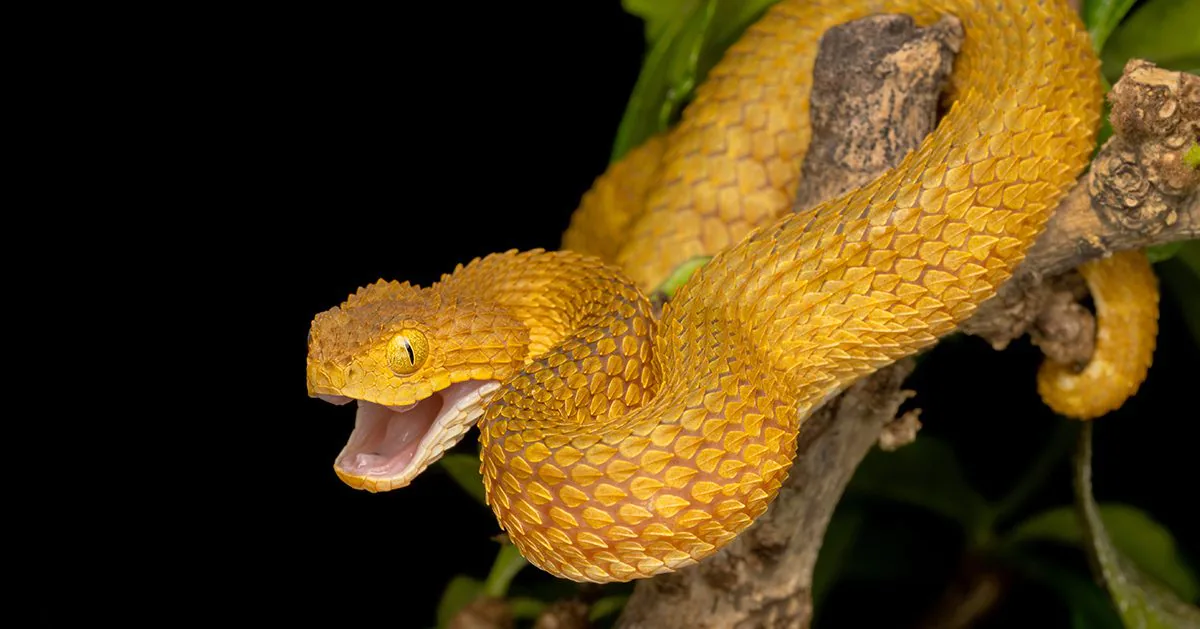
Signs of Mouth Rot in Snakes
Mouth rot in snakes often starts quietly along the gumline. Knowing what to look for helps you spot changes before the infection spreads deeper.
Early Changes Along the Gums
In healthy snakes, the gums are generally pale pink and smooth. One of the earliest signs of infection is the appearance of pinpoint red dots, called petechiae, where small blood vessels have broken. The gums may also look slightly swollen or redder than usual. Some snakes produce extra saliva that looks frothy or bubbly at the corners of the mouth.
Symptoms of a Progressing Infection
As snake mouth rot advances, the signs become harder to miss. Watch for:
- Cheesy, yellowish material, known as caseous debris, along the tooth rows
- Swelling that keeps the mouth from closing completely
- Gray, dark, or receding gum tissue
- Loose, broken, or missing teeth
- Discharge or crusting around the lips and nostrils
- A noticeable odor from the mouth
Behavior Changes to Watch For
Snakes with sore mouths frequently refuse prey, strike and then release food, or show unusual defensiveness when their heads are touched. Some rub their faces against decor, while others become lethargic and spend more time hiding.
When Mouth Rot Overlaps With Respiratory Illness
The mouth and respiratory tract sit very close together in snakes. Open-mouth breathing, wheezing, or mucus bubbling from the mouth may point to a respiratory infection alongside or instead of stomatitis. Both conditions need prompt veterinary care.
What Causes Snake Mouth Rot?
Bacteria that cause infection are often present in a snake’s mouth and environment all the time. Problems begin when something damages the tissue or lowers the snake’s natural defenses.
Feeding Injuries
Live rodents can bite or scratch a snake’s mouth and face during feeding, leaving wounds that easily become infected. Prey items that are too large can also injure the delicate tissues as the snake swallows. Many keepers offer frozen-thawed prey for this reason.
Nose Rubbing and Striking
Snakes that repeatedly push against enclosure lids, rub their snouts on glass, or strike at reflections can develop abrasions on the rostral scale at the tip of the nose. These injuries sit right next to the mouth and can serve as a starting point for infection.
Husbandry Gaps That Weaken Immunity
A snake’s immune system depends heavily on its environment. When conditions slip, the body has a harder time fighting off the bacteria behind snake mouth rot. Common contributors include:
- Enclosure temperatures that run too cool for proper immune function
- Humidity that sits far above or below the range for your species
- Soiled substrate, dirty water bowls, or infrequent cleaning
- Enclosure temperatures that are too high can lead to heat stress and immune suppression
- Chronic stress from frequent handling, a busy room, or too few hiding spots
- Poor body condition from an inconsistent feeding schedule
Because these factors often overlap, your veterinarian will usually review the whole setup rather than looking for a single cause.
Other Underlying Health Issues
Mites, retained shed around the face, respiratory infections, and systemic illness can all lower resistance to snake mouth rot. In some cases, repeated mouth infections signal a more serious underlying condition that your veterinarian will want to investigate.
How Do Vets Diagnose and Treat Snake Mouth Rot?
An exotic veterinarian treats both the infection and the reason it developed. A complete exam guides every step of the plan.
The Diagnostic Process
Your veterinarian will gently open your snake’s mouth to examine the gums, teeth, palate, and glottis, the breathing opening at the floor of the mouth. A swab of the affected tissue can be sent for culture and sensitivity testing, which identifies the bacteria involved and the medications most likely to work. X-rays help determine whether the infection has reached the jawbone, and bloodwork may be recommended for snakes that seem weak or have stopped eating.
Treatment in the Clinic
Mild cases of snake mouth rot often respond to professional cleaning of the mouth and prescription medication. Snakes with heavy debris or damaged tissue may need sedation so the veterinarian can carefully remove infected material. Dehydrated snakes or those that have stopped eating may also receive fluids and nutritional support.
Recovery and Rechecks
Follow-up visits allow your veterinarian to monitor healing and adjust treatment if needed. Mild infections may clear within a few weeks, while cases involving bone can take considerably longer. During recovery, your veterinarian may suggest temporary changes, such as a simpler enclosure setup or adjustments to feeding.
Why Self-Treatment Can Backfire
Home rinses and over-the-counter ointments cannot reach infection beneath the surface, and some products irritate already damaged tissue. Delaying professional care also gives bacteria time to spread toward the jaw and lungs. Leave cleaning and medication decisions to your exotic veterinarian.
How Can You Help Prevent Mouth Rot in Snakes?
Good husbandry is the strongest protection against snake mouth rot. Small, consistent habits support a healthy immune system and reduce the chance of mouth injuries.
Safer Feeding Practices
Offer appropriately sized prey, and consider frozen-thawed food to eliminate bite injuries. If your snake will only eat live prey, never leave a rodent unattended in the enclosure. Feeding in a consistent spot and using feeding tongs can also reduce the chance of your snake striking hard surfaces or accidentally grabbing substrate, both of which can scrape the mouth.
A Clean, Stable Habitat
Use a thermostat to keep temperatures in the correct range for your species, and monitor humidity with a digital hygrometer. Spot clean waste promptly, change soiled substrate regularly, and refresh the water bowl often. Provide secure hides so your snake feels safe and is less likely to push against the enclosure.
Quick Mouth Checks
When your snake yawns or flicks its tongue, take a moment to notice the color of its gums and look for swelling or debris. Watching for changes at feeding time also helps, since reluctance to eat is often an early clue.
Routine Veterinary Exams
Annual wellness visits give your veterinarian a chance to examine the mouth closely, review your husbandry, and spot problems early. New snakes should also have an exam soon after arriving home, since stress from shipping and a new environment can leave them more vulnerable to infection during the first few weeks.
Expert Help for Snake Mouth Rot in Westchester County
Snake mouth rot is uncomfortable and can become serious, but early detection and prompt treatment lead to good outcomes for most snakes. Paying attention to your snake’s gums, appetite, and behavior puts you in a strong position to catch it early.
If you notice red spots, swelling, or discharge in your snake’s mouth, call us at (914) 864-1414 to schedule an exam and help your snake get back to eating comfortably. Veterinary Center for Birds & Exotics provides skilled snake and reptile care for families throughout Westchester County, NY.
Recent Posts
MBD (Metabolic Bone Disease) in Leopard Geckos
The early signs of MBD in leopard geckos include walking with the belly dragging on the ground,…
How to Take Care of a Gecko
Geckos are a favorite among first-time reptile owners. They are quiet, fairly compact, and full of personality,…
How Big Do Leopard Geckos Get?
Most adult leopard geckos grow 7 to 10 inches long from nose to tail tip and weigh…
Do Snakes Lay Eggs?
Do snakes lay eggs? Yes, most snakes lay eggs, but not all of them. Roughly 70 percent…
What Do Snake Mites Look Like?
Snake mites look like tiny black, dark red, or brown dots, roughly the size of a pinhead…
About Veterinary Centers for Birds and Exotics
If you have been looking for specialized care for your bird or exotic pet, look no further! We have you covered. At our unique animal hospital, we provide care to birds and exotics ONLY—no cats and dogs! We are the only bird and exotic veterinary hospital with a full-time, board certified bird specialist, Dr. Laurie Hess. Dr. Hess, who, with her associates, are the only full-time veterinarians in Westchester County who are residency-trained in bird and exotic medicine and surgery. Call to schedule an appointment for your pet!