

How to Take Care of a Gecko
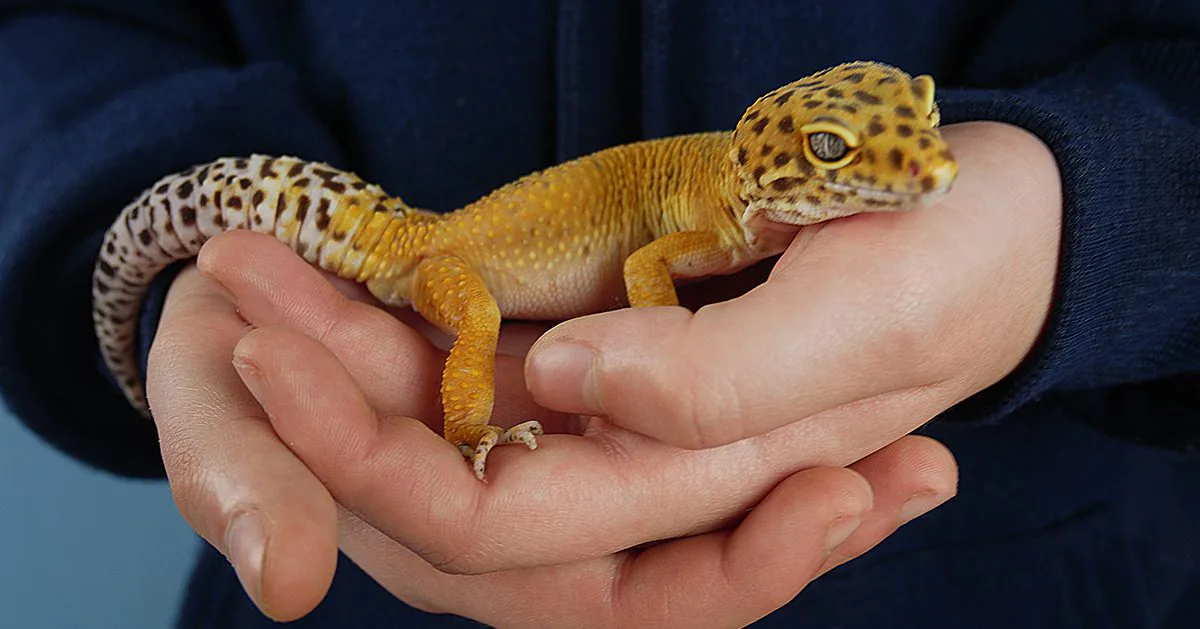
Geckos are a favorite among first-time reptile owners. They are quiet, fairly compact, and full of personality, and many species are calm enough to handle. To take care of a gecko, provide a secure enclosure with the right temperature gradient, hiding spots, and humidity for its species, along with a diet of appropriately sized, nutritious insects or a commercial gecko diet. Fresh water, regular cleaning, gentle handling, and yearly checkups with an exotic veterinarian round out the basics of good gecko care.
Leopard geckos, the most common pet species, come from semi-arid scrublands, rocky deserts, and dry grasslands in the middle east, while crested geckos come from humid forests in New Caledonia, so their needs differ in important ways. At Veterinary Center for Birds & Exotics, we help Westchester County families learn how to take care of a gecko from day one. Here, we’ll cover what ownership really involves, how to set up the habitat, what geckos eat, and the daily habits and health checks that keep them thriving for years.
How Hard Is It to Take Care of a Gecko?
Geckos are considered beginner-friendly reptiles, but “easy” does not mean effortless. Most of the work happens up front, when you build the enclosure and learn your gecko’s needs.
Time Commitment
Day to day, gecko care usually takes just a few minutes: checking temperatures, refreshing water, spot cleaning, and feeding on the appropriate schedule. Weekly and monthly tasks, such as deeper cleaning and weigh-ins, add a bit more time. Many families find this gecko care routine easy to fit into busy schedules, and older children can help with simple tasks under adult supervision.
Lifespan and Long-Term Planning
Leopard geckos often live 15 to 20 years with good care, and crested geckos can live a similar length of time. That makes a gecko a long-term commitment, often spanning a child’s journey from elementary school to adulthood. Consider who will care for your gecko during vacations, moves, or college years.
Costs to Expect
Initial costs include the enclosure, heating equipment, thermostat, thermometers, lighting, hides, and decor. Ongoing expenses cover live insects or prepared diets, supplements, replacement bulbs, and veterinary care. Planning for these gecko care costs before you buy helps avoid shortcuts that can affect your gecko’s health.
Choosing the Right Species
Leopard geckos suit owners who want a ground-dwelling lizard that is active in the evening. Crested geckos are climbers that tolerate room temperatures better and eat a powdered fruit-based diet, which some owners prefer over feeding insects. Choosing a species that matches your lifestyle makes learning how to take care of a gecko much easier.
How Do You Set Up a Gecko Habitat?
A well-designed enclosure is the foundation of healthy gecko care. The layout should let your gecko move between warm and cool areas, hide when it feels stressed, and stay at the right humidity level.
Enclosure Size and Layout
A single adult leopard gecko needs at least a 20-gallon long tank, and many keepers prefer 40 gallons or more for added space and enrichment. Because they are ground-dwellers, floor space matters more than height. Crested geckos need a taller, vertical enclosure with branches and plants for climbing.
Essential Habitat Supplies
Most gecko setups include:
- A heat source controlled by a thermostat, such as an under-tank heater or overhead heat lamp
- Two digital thermometers to monitor the warm and cool sides
- At least three hides, including a warm hide, a cool hide, and a humid hide
- A shallow water dish that is easy to clean
- A safe substrate, such as paper towels, tile, or a soil-based mix
- Low-level UVB lighting, which many veterinarians now recommend for leopard geckos
Temperature and Humidity Basics
Leopard geckos need a warm side with a basking surface in the low 90s Fahrenheit and a cooler side in the 70s. Crested geckos, on the other hand, generally prefer room temperatures in the low to mid 70s and can become stressed if kept too warm. Humidity needs differ as well, with crested geckos requiring regular misting. Ask your veterinarian to confirm the ideal ranges for your species.
Substrate Safety
Loose sand and small particles can be swallowed during feeding and may contribute to digestive blockages, especially in young geckos. Many owners start with paper towels or tile, then switch to a well-researched soil mix once their gecko is established. Whatever you choose, avoid calcium sand and walnut shell products, which are marketed for reptiles but can cause problems if eaten.
What Should You Feed a Gecko?
Nutrition plays a central role in gecko care. The right diet supports strong bones, healthy skin, and steady weight throughout your gecko’s life.
Feeding Leopard Geckos
Leopard geckos are insectivores, which means they eat only insects. Common staples include crickets, dubia roaches, and mealworms, with waxworms offered sparingly as treats. Insects should be no larger than the space between your gecko’s eyes. Young geckos eat more often than adults, and your veterinarian can help you set the right feeding schedule.
Feeding Crested Geckos
Crested geckos eat both fruit and insects in the wild. Most keepers feed a complete commercial powdered diet mixed with water, supplemented with occasional live insects.
Gut Loading and Supplements
Feeder insects should be gut loaded, or fed a nutritious diet, for at least a day before you offer them to your gecko. Insects are also typically dusted with calcium and vitamin supplements. Because too much or too little can both cause problems, follow your veterinarian’s guidance on which supplements to use and how often.
Fresh Water
Keep a shallow dish of clean, fresh water available at all times, and change it daily. Crested geckos often drink water droplets from leaves after misting rather than from a bowl.
What Does Daily and Long-Term Gecko Care Look Like?
Consistent gecko care routines and attentive observation help you catch problems early. Small habits add up to a healthier, longer life for your gecko.
Handling Tips
Give a new gecko a week or two to settle in before handling. Scoop your gecko gently from below rather than grabbing from above, and never hold it by the tail. Leopard and crested geckos can both drop their tails when stressed, and crested geckos do not regrow them.
Cleaning Routine
Spot clean waste daily, wipe the water dish, and remove uneaten insects. Plan a deeper clean of the enclosure and decor every few weeks, and replace paper towel substrate whenever it becomes soiled. Wash your hands before and after handling your gecko or anything in its habitat, since reptiles can carry Salmonella.
Health Signs to Watch
Contact your exotic veterinarian if you notice:
- A thinning tail or steady weight loss
- Stuck shed on the toes, tail tip, or around the eyes
- Refusing food for an extended period
- Swelling, softness, or bending in the jaw or legs
- Lethargy, runny stools, or straining
Annual Wellness Exams
Yearly checkups allow your veterinarian to weigh your gecko, screen for parasites, and review your enclosure and diet. A new gecko should also see a veterinarian soon after coming home.
Expert Guidance for Gecko Owners in Westchester County
Learning how to take care of a gecko comes down to the right habitat, a balanced diet, steady routines, and regular veterinary visits. With these pieces in place, your gecko can enjoy a long, healthy life as part of your family.
If you have more questions about how to take care of a gecko, or you would like a professional review of your setup, our team at Veterinary Center for Birds & Exotics is glad to help. We offer dedicated reptile care for geckos and other exotic pets throughout Westchester County, NY. Call us at (914) 864-1414 to schedule a new pet exam or wellness visit.
Recent Posts
MBD (Metabolic Bone Disease) in Leopard Geckos
The early signs of MBD in leopard geckos include walking with the belly dragging on the ground,…
How Big Do Leopard Geckos Get?
Most adult leopard geckos grow 7 to 10 inches long from nose to tail tip and weigh…
Snake Mouth Rot: Signs, Causes, and Treatment
The most common signs of snake mouth rot are tiny red spots or bleeding along the gums,…
Do Snakes Lay Eggs?
Do snakes lay eggs? Yes, most snakes lay eggs, but not all of them. Roughly 70 percent…
What Do Snake Mites Look Like?
Snake mites look like tiny black, dark red, or brown dots, roughly the size of a pinhead…
About Veterinary Centers for Birds and Exotics
If you have been looking for specialized care for your bird or exotic pet, look no further! We have you covered. At our unique animal hospital, we provide care to birds and exotics ONLY—no cats and dogs! We are the only bird and exotic veterinary hospital with a full-time, board certified bird specialist, Dr. Laurie Hess. Dr. Hess, who, with her associates, are the only full-time veterinarians in Westchester County who are residency-trained in bird and exotic medicine and surgery. Call to schedule an appointment for your pet!