

Are Ferrets Rodents?
No, ferrets are not rodents. Despite their small size, whiskered faces, and love of tunnels, ferrets belong to the order Carnivora, which makes them relatives of otters, badgers, and weasels rather than hamsters and rats. So why do so many people still ask, “Are ferrets rodents?” The mix-up makes sense. A ferret scampers across the living room, stashes socks in secret corners, and squeezes through gaps that seem far too small, all habits people tend to link with mice and gerbils. Yet beneath that sleek coat, a ferret is built very differently from any rodent. At Veterinary Center for Birds & Exotics in Bedford Hills, NY, pet owners regularly bring up this very question, and the answer shapes how these animals eat, play, and stay healthy. The real story begins with a family tree most people have never seen.
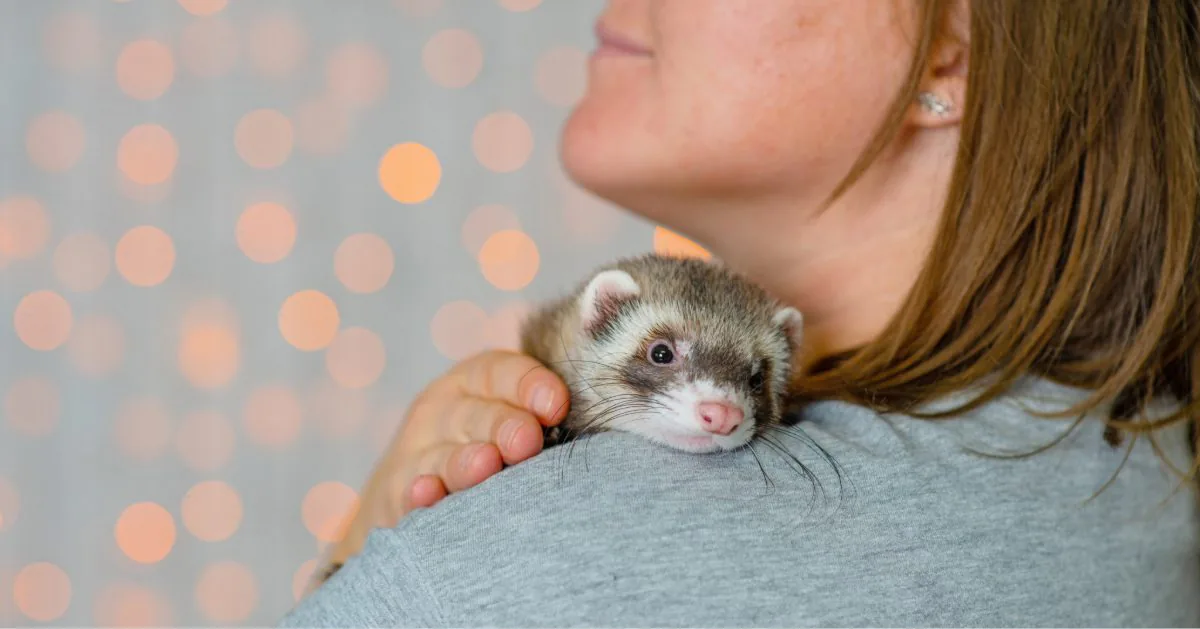
What Is a Ferret?
A ferret is a small, long-bodied carnivore that people have kept as a working animal and a household companion for roughly two thousand years.
How Scientists Classify the Domestic Ferret
The domestic ferret, Mustela putorius furo, is a mammal in the order Carnivora and the family Mustelidae. Scientists place it there based on skull shape, tooth structure, and digestive anatomy, not body size. The short answer to “Are ferrets rodents?” is no, because rodents belong to a separate order called Rodentia, a group that includes mice, rats, squirrels, and hamsters. Both groups are mammals, yet their lineages split long before humans entered the picture. A ferret is no closer to a hamster on the family tree than a cat is.
A Long History Alongside People
Most researchers believe the domestic ferret descended from the European polecat, and people have worked with these animals for around 2,000 years. Hunters once sent ferrets into burrows to flush out rabbits and rats, which adds a little irony to the whole debate. Ferrets chased rodents long before anyone thought to ask whether ferrets are rodents. Today, these playful animals are best known as lively companions that bounce, tunnel, and pounce their way through the day.
Meet the Mustelid Family
Ferrets share a family tree with a surprising cast of relatives. A few of the better-known mustelids include:
- Sea otters, which float on their backs and use rocks to crack open shellfish
- European badgers, which dig elaborate underground burrow systems called setts
- American minks, semi-aquatic hunters with dense, water-resistant coats
- Wolverines, tough scavengers that roam cold northern forests
- Stoats and weasels, the slim, fast-moving lookalikes closest to a ferret in appearance
Anyone who has watched a ferret glide under a couch may still think “rodent,” but a glance at that guest list shows a far stronger resemblance to an otter. So when a friend asks, “Are ferrets rodents?” the mustelid family reunion offers a quick and confident no. Ferrets simply belong to a different branch of the mammal world.
Different Types of Ferrets
Ferrets appear in several forms, from the pet curled up in a hammock to a rare wild species working hard to survive on the American prairie.
The Domestic Ferret
Every pet ferret belongs to one domesticated species, no matter how different two ferrets look. What changes from animal to animal is coat color and pattern, not the underlying biology. A sable ferret and an albino ferret share the same carnivore anatomy, and neither one gives a different answer to the question “Are ferrets rodents?” Both are mustelids, and both depend on a meat-based diet.
Common Color and Pattern Varieties
Breeders and owners describe ferret coats with a handful of familiar terms. Some of the most common include:
- Sable: a dark mask and warm brown body, the classic look closest to the wild polecat
- Albino: white fur paired with pink or light red eyes
- Cinnamon: reddish-brown fur with a lighter, golden undercoat
- Champagne: a pale tan coat with softer, burgundy-toned eyes
- Panda: a white head with a darker body
- Blaze: a white stripe running up the face, often with white feet
These names describe fur, not separate species, so choosing a color has no effect on a ferret’s classification. Whether a ferret wears a panda face or a cinnamon coat, the answer to “Are ferrets rodents?” never changes.
Wild Relatives Worth Knowing
The black-footed ferret, Mustela nigripes, is North America’s only native ferret. It lives on the prairie, hunts prairie dogs, and was once feared extinct before a small population turned up in Wyoming in 1981. Wildlife agencies have run breeding and release programs ever since, and the species remains endangered. The European polecat and the steppe polecat are other wild mustelids closely tied to the ferret story. Interestingly, the black-footed ferret preys on prairie dogs, which are rodents. That makes it a perfect real-world answer to “Are ferrets rodents?” Not only are they different animals, but one of them is the other’s dinner.
How Can You Tell Ferrets Apart From Rodents?
Several physical and behavioral clues separate a ferret from a true rodent, and the teeth tell the clearest story.
Teeth, Diet, and Digestion
Rodents are defined by one pair of upper and one pair of lower incisors that never stop growing, which is why a rat or hamster gnaws constantly. Ferrets have a completely different dental toolkit, including sharp, pointed canines built for gripping prey. They are also obligate carnivores, meaning their bodies rely on animal-based protein. Many rodents, by contrast, eat seeds, grains, and plants. When people ask “Are ferrets rodents?” the mouth alone usually settles the debate.
Body Shape, Paws, and Personality
A ferret’s body is long, narrow, and remarkably flexible, which lets it twist through tight tubes and turn around in spaces a rat would find cramped. Its paws carry non-retractable claws, and it spends much of the day asleep before waking up ready to play. Ferrets also communicate in ways rodents do not. They chuckle with a soft “dook” sound, and they perform the comical sideways hop known as the weasel war dance. Rodents tend to have shorter, rounder bodies and very different social habits, so a side-by-side look often makes the contrast obvious. Anyone still asking “Are ferrets rodents?” only needs to watch a ferret play for ten minutes to see the difference.
Why the Right Classification Matters for Ferret Care
Knowing the answer to whether ferrets are rodents is more than trivia, because a ferret’s classification points toward the kind of care it needs.
Different Anatomy Calls for Different Expertise
Because the answer to “Are ferrets rodents?” is no, a ferret should not be treated like a rodent at the veterinary clinic. Ferrets have carnivore anatomy, their own vaccine schedule, and health concerns that differ from those of a guinea pig or hamster. Veterinarians with exotic animal experience understand these differences and can guide owners through appointments, preventive care, and everyday questions. Having a clinic that already knows how a ferret works makes each visit smoother for both the pet and the person holding the carrier.
Questions New Ferret Owners Often Bring
Once people learn that ferrets are not rodents, a new round of curiosity usually follows. Owners commonly ask about topics such as:
- Why a ferret can sleep so deeply that it seems unresponsive at first
- Whether a musky scent is a normal part of life with a ferret
- Which soft household items, like foam or rubber, tempt a curious chewer
- How a ferret might get along with the cat or dog already living at home
These are all good conversations to have with an exotic animal veterinarian rather than a search engine alone.
Bring Your Ferret Questions to Bedford Hills
Clear Answers for Curious Owners
Ferrets may look a bit like rodents at first glance, but they are carnivores with a family tree, diet, and personality all their own. Whether you are weighing a first ferret or already share your home with one, Veterinary Center for Birds & Exotics welcomes your questions about these lively mustelids. Curiosity about topics like whether ferrets are rodents often opens the door to bigger conversations about housing, play, enrichment, and what a healthy routine looks like for a pet that sleeps hard and plays harder.
Exotic Care Close to Home
Families across Bedford Hills and the surrounding Westchester area trust the team for knowledgeable, friendly care of birds and unusual pets. Parrots, rabbits, reptiles, and ferrets all arrive with their own quirks, and the staff enjoys helping each owner understand the animal at the other end of the leash or carrier. If someone in your life is still wondering, “Are ferrets rodents?” you now have the full answer to share. Contact Veterinary Center for Birds & Exotics at (914) 864-1414 to schedule a visit and let your ferret meet a team that knows exactly what makes these animals tick.
Recent Posts
What Do Pet Rabbits Eat? A Practical Feeding Guide
What do pet rabbits eat? Mostly hay, plus leafy greens and a few pellets. Learn portions and...
Why Do Rabbits Eat Their Poop? The Science Behind a Strange Habit
Why do rabbits eat their poop? Learn about cecotropes, normal vs. concerning droppings, and when to call...
Why Is My Rabbit Not Eating?
Why is my rabbit not eating? Learn common causes, warning signs, and when to call Veterinary Center...
Do Pet Rats Carry Diseases?
Do pet rats carry diseases? Yes, like nearly every animal, they can carry germs, and a small…
How Long Do Pet Rats Live?
Most pet rats live about two to three years, and a few reach four with excellent genetics…
About Veterinary Centers for Birds and Exotics
If you have been looking for specialized care for your bird or exotic pet, look no further! We have you covered. At our unique animal hospital, we provide care to birds and exotics ONLY—no cats and dogs! We are the only bird and exotic veterinary hospital with a full-time, board certified bird specialist, Dr. Laurie Hess. Dr. Hess, who, with her two associates, Dr. Amanda Marino and Dr. Amanda Dewey, are the only full-time veterinarians in Westchester County who are residency-trained in bird and exotic medicine and surgery. Call to schedule an appointment for your pet!