

Ich Fish Disease: What Causes It and How to Treat It
Ich fish disease is a contagious parasitic infection that dusts a fish’s skin, fins, and gills with tiny white dots, much like grains of salt. A microscopic parasite called Ichthyophthirius multifiliis causes it, and it can sweep through a freshwater tank faster than most owners expect. Many people first notice ich fish disease on an ordinary morning, when a favorite goldfish or tetra looks as though it was sprinkled with sugar overnight. That moment feels alarming, and for good reason, because the parasite multiplies quickly and the gills are especially vulnerable. Our team at Veterinary Center for Birds & Exotics in Bedford Hills, NY, helps fish owners work through exactly this scenario, and understanding how the parasite operates makes it much easier to see why professional guidance matters. The sooner you recognize what you are looking at, the more choices your veterinarian has, and the better the odds for every fish sharing that water.
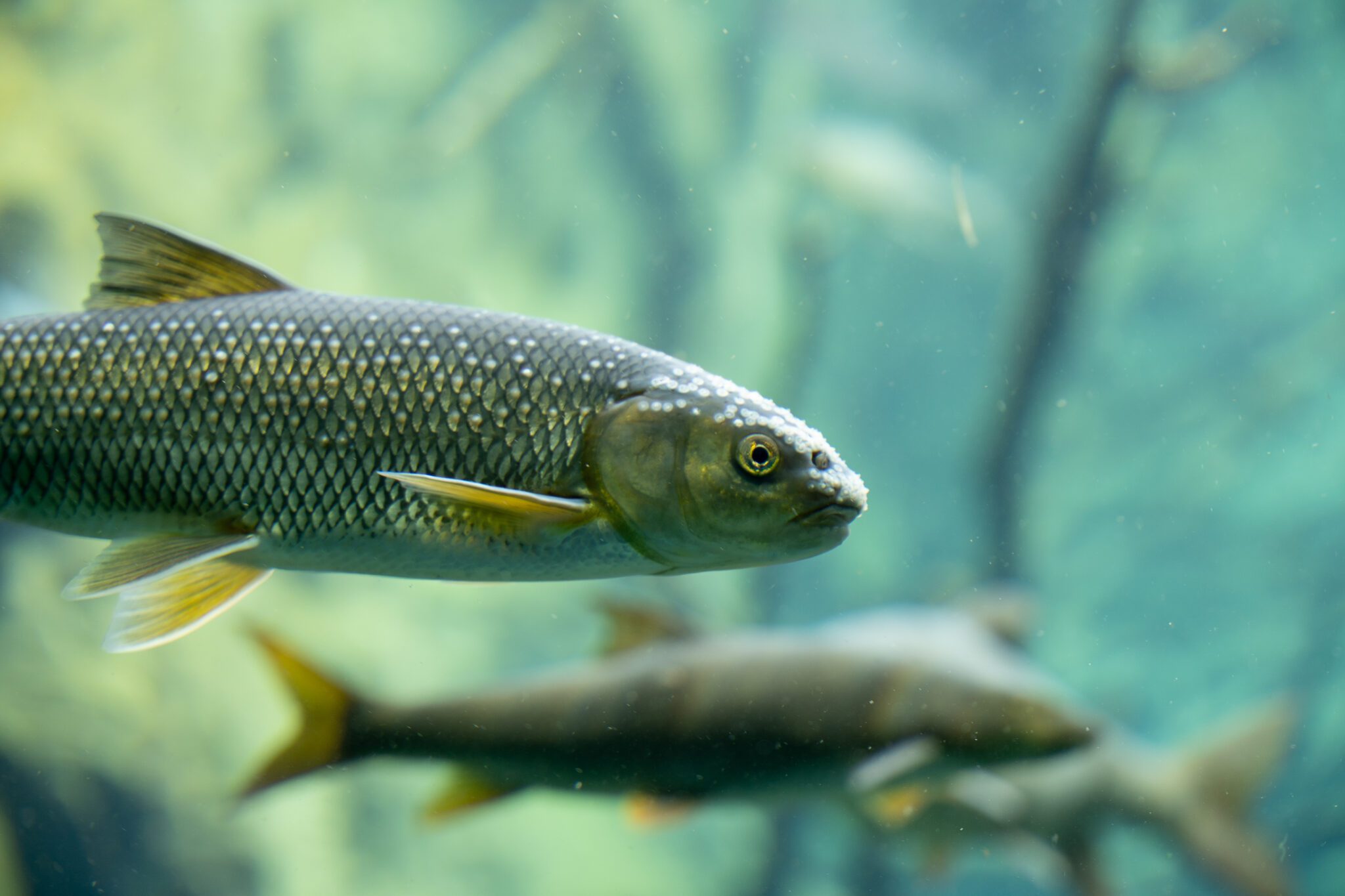
What Is Behind an Outbreak of Ich in Pet Fish?
Ich fish disease starts with a parasite, but the conditions inside the tank often decide whether an outbreak takes hold.
The Parasite Behind the Spots
Ichthyophthirius multifiliis is a protozoan, a single-celled organism that burrows into the outer layers of a fish’s skin and gills. Once embedded, it feeds on tissue and forms the white cysts that owners notice. Despite the nickname “white spot disease,” each visible dot is only one stage of a much longer cycle. Nearly any freshwater fish can catch it, from goldfish and bettas to koi and tropical community species, and ich fish disease can pass to every resident of a tank once a single fish becomes a host.
A Life Cycle That Resists Quick Fixes
After feeding, the parasite drops off the fish, settles on surfaces in the tank, and divides into hundreds of free-swimming offspring that hunt for new hosts. Warmer water speeds this cycle along, while cooler water slows it down. Many treatments only reach the free-swimming stage, because the stage buried in the skin is shielded. That protected phase is the main reason ich fish disease can appear to fade and then roar back.
New Arrivals and Stress Open the Door
Parasites often travel on newly purchased fish, plants, or shared equipment such as nets. Stress then gives them an opening. Sudden temperature swings, poor water quality, crowding, and rough handling all weaken a fish’s defenses, which is why ich fish disease so often follows a move, a chilly draft, or a new tank mate.
How Do You Know If a Fish Has Ich?
The telltale white dots draw the most attention, though changes in behavior sometimes show up first.
Behavior That Raises Eyebrows
Irritated fish may rub against gravel, decorations, or plant leaves, a habit called flashing. Others hover near the filter outflow, lose interest in meals, or sit listlessly at the bottom. A normally social fish that suddenly hides is worth a second look, even before any spots appear. Since fish cannot tell us how they feel, owners are the first line of observation, and a quick photo or short video of unusual behavior can be useful to share with a veterinarian.
What Owners See on the Body
Look closely at these areas, since ich fish disease can show up in several places at once:
- Fine white dots on the body, each about the size of a grain of salt
- Dots along the edges of fins and the tail, sometimes in small clusters
- A dull, slightly rough or hazy look to the skin
- Fast, heavy gill movement when the parasite invades the gills
- Fins held tightly against the body
Look-Alikes Worth Ruling Out
Not every white spot is ich. Fungal growths, other parasites, and even the harmless breeding tubercles seen on some male fish can resemble it from across the room. Because each of these conditions calls for different care, a veterinary exam offers clarity that guesswork cannot. Telling ich fish disease apart from these imposters is a core part of what a diagnostic exam accomplishes.
Fresh Water, Salt Water, and Different Imposters
You always know whether your fish lives in fresh or salt water, so the type of ich is rarely the mystery. Freshwater fish are affected by Ichthyophthirius multifiliis, while saltwater fish are affected by Cryptocaryon irritans, commonly called marine ich. The harder task is separating ich from other diseases that look alike, and the list of suspects changes with the environment.
In freshwater tanks, velvet, Epistylis colonies, columnaris, fungal growths, and normal breeding tubercles can all pass for ich. In saltwater tanks, marine velvet, Brooklynella, and lymphocystis are common impostors. Treatment differs between the two types of ich as well, and a plan built for one environment does not carry over to the other. Whether ich fish disease turns up in a freshwater or a saltwater aquarium, a qualified exotic veterinarian is needed to diagnose it correctly and design the right plan, because a wrong guess costs valuable days.
What Does Ich Fish Treatment Involve?
Effective ich fish treatment begins with a confirmed diagnosis and ends with a plan matched to the species, the tank, and the individual fish.
Confirming What Is Really Going On
Your veterinarian can examine a small skin scrape or fin sample under a microscope to identify the parasite and rule out look-alikes. Water quality testing often accompanies this step, since the tank environment shapes both the cause of the outbreak and the way it should be handled. Veterinarians also ask about recent purchases, how long the fish has lived in the tank, and what else shares the water, since those details help trace where the parasite came from.
How Prescribed Plans Work
Ich fish treatment generally aims at the free-swimming stage of the parasite and may include prescribed medications, adjustments to the aquatic environment, and supportive care for weakened fish. The right approach varies by species. Scaleless fish, sensitive breeds, and tanks that hold snails, shrimp, or live plants can react poorly to certain products, which is why product choice and dosing belong in a veterinarian’s hands rather than a guessing game at home.
Why Speed Matters
Once the gills are involved, ich fish disease can move from mild to severe in a matter of days. Waiting to see whether ich fish disease clears up on its own rarely works, since the parasite keeps cycling through the water. Early appointments widen the options, and a fish that is struggling to breathe should be seen right away. Your veterinarian may also suggest follow-up visits to watch how the fish and the rest of the tank respond. A fish with irritated gills can tire quickly because oxygen exchange suffers, which leaves less strength available for recovery.
How Can Fish Owners Lower the Odds of Ich?
Prevention rarely makes headlines, yet it spares more fish than any medication.
Habits That Start Before New Fish Come Home
Stress and exposure drive most outbreaks, and quarantine and cleanliness are the pillars of protecting a collection from ich fish disease. Fish keepers and veterinarians often point to practices like these:
- Holding newcomers in a separate quarantine tank for several weeks before adding them to the main aquarium
- Using separate nets and equipment for each tank, or disinfecting shared gear between uses
- Choosing sellers whose tanks look clean and whose fish look active and bright
- Checking water parameters on a regular schedule so changes are caught early
Planning for Life After an Outbreak
Once a tank has dealt with ich fish disease, many owners worry about a repeat. Your veterinarian can review the tank’s history, the way new fish were introduced, and the daily routine to pinpoint where the parasite may have slipped in. That conversation turns a stressful episode into a useful roadmap for the future.
Steady Water and Calmer Fish
Fish that are comfortable fight off parasites better than fish that are constantly stressed. Stable temperatures, consistent maintenance, and enough room to swim make a real difference. A wellness conversation with an exotics veterinarian can also spot husbandry problems long before they become illness.
Spots on Your Fish? Our Bedford Hills Team Can Help
Finding white dots on a beloved pet is stressful, and you deserve a clear plan from someone who knows fish. Fish are everyday patients at Veterinary Center for Birds & Exotics, so ich fish disease is a condition our team understands well, whether it shows up in a single goldfish tank or a large community aquarium. We can examine your fish, explain what we find in plain terms, and map out the steps that suit your tank. A call to our Bedford Hills office is the quickest way to book a visit. If your fish is breathing rapidly, hiding, or covered in spots, call us at (914) 864-1414 and let our team know so we can help you find the right appointment time.
Recent Posts
What Fish Can Live with Bettas?
What fish can live with bettas? Peaceful, small species that stay out of a betta’s way, such…
Dropsy in Fish: Signs, Causes, and Treatment
Dropsy in fish is a condition in which fluid collects inside the body, swelling the belly and…
Why Special Species Require Specialized Veterinary Care
In human medicine, special medical problems typically require specialized medical care. For example, if you have a…
Tips for Winterizing Your Reptile
By Dr. Laurie Hess When cold weather comes, especially in areas that experience significant climate changes as…
Did You Know That Turtles Shed?
People are sometimes surprised by this question but, like other reptiles, turtles DO shed! While snakes regularly…
About Veterinary Centers for Birds and Exotics
If you have been looking for specialized care for your bird or exotic pet, look no further! We have you covered. At our unique animal hospital, we provide care to birds and exotics ONLY—no cats and dogs! We are the only bird and exotic veterinary hospital with a full-time, board certified bird specialist, Dr. Laurie Hess. Dr. Hess, who, with her two associates, Dr. Amanda Marino and Dr. Amanda Dewey, are the only full-time veterinarians in Westchester County who are residency-trained in bird and exotic medicine and surgery. Call to schedule an appointment for your pet!