

Why Is My Parakeet Shaking? What Bedford Hills Bird Owners Should Know
Parakeets shake for plenty of harmless reasons, including fluffing their feathers, drying off after a bath, and getting excited, but constant trembling paired with a puffed-up, sleepy look can point to illness. So why is my parakeet shaking right now? The answer depends on what the movement looks like, how long it lasts, and what else your bird is doing. Picture a budgie perched on a dowel, quivering from head to tail while you stand nearby wondering whether to worry. It is a common moment for new and longtime owners alike, and Veterinary Center for Birds & Exotics in Bedford Hills, NY, hears the question “Why is my parakeet shaking?” more often than you might expect. Below, we explain why birds shake, which kinds of shaking are typical, which patterns deserve attention, and how an avian exam can bring clarity.
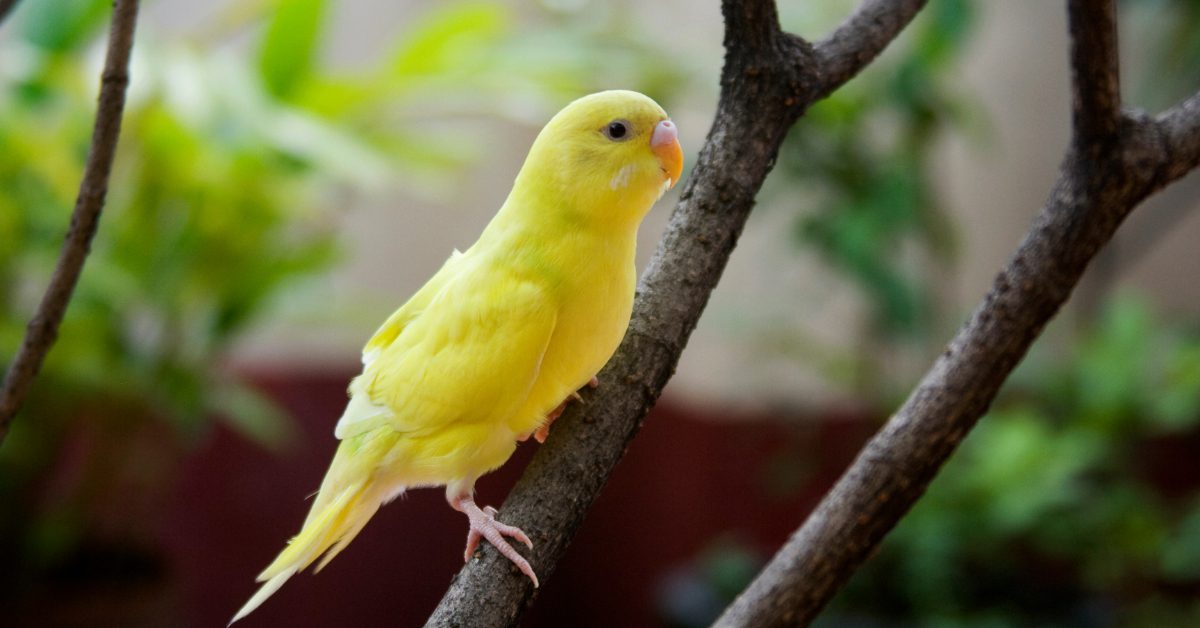
Why Do Birds Shake?
Shaking is a normal part of bird body language, and most of the time it serves a simple purpose.
The Feather Rouse
A rouse is a quick, full-body shake that fluffs the feathers and lets them settle back into place. Birds rouse after waking up, after preening, and when they feel relaxed and safe. Many owners asking why is my parakeet shaking right after a nap are simply watching a rouse, which usually lasts only a second or two.
Shaking Off Water and Dust
Budgies love a good bath, and a vigorous shake is how they fling off the droplets afterward. The same motion clears loose dander and debris from the plumage. Preening sessions often end with a shake as well, much like a person straightening a jacket.
Excitement, Anticipation, and Social Cues
Parakeets are lively, social birds, and their whole bodies can quiver with enthusiasm. A budgie may flutter its wings or vibrate when you approach with a favorite treat, hear a familiar voice, or spot a flock mate in the mirror. Owners who wonder, “Why is my parakeet shaking whenever the cage door opens?” are often seeing pure anticipation. Some birds also tremble during courtship displays. Context is everything here: a bright-eyed bird who is alert, chirping, and moving around is usually expressing happiness, not distress.
Brief Twitches While Dozing
Birds sometimes twitch or ruffle briefly while drifting off or waking up. A short flick that ends when your bird settles into sleep is rarely a concern. Because shaking has so many everyday explanations, the goal is not to worry about every shiver. Instead, learn the habits of your own bird, including how often shakes happen, how long they last, and what sets them off. That baseline makes it much easier to spot a change.
Is My Parakeet’s Shaking Normal?
Healthy shaking tends to be brief, purposeful, and linked to an obvious trigger.
What a Typical Shake Looks Like
A normal shake rarely interrupts your bird’s day. Look for these features:
- A quick ruffle that ends within a few seconds
- Wing flutters or quivering when you arrive, offer a snack, or play music
- A shake after bathing, preening, or stretching
- Regular activity afterward, including eating, chirping, and climbing
Chilly Air and Small Bodies
Parakeets are small, and small bodies lose heat quickly. A bird sitting in a drafty spot or a cool room may shiver. That kind of shivering is a reminder that comfort matters, though it should never be treated as a diagnosis. If your bird trembles often, mention the pattern to your avian veterinarian, who can look at the bigger picture.
Young Birds and Hormonal Seasons
Young parakeets are still learning to control their bodies, and wing quivering is common while they beg for food or practice flapping. Adult birds in a breeding mood may shake and display more as the days grow longer.
Your Bird’s Personal Baseline
Every budgie has quirks. Some are naturally jittery, while others stay calm. When owners wonder “Why is my parakeet shaking more than the bird in the next cage?” personality may be the whole story. What counts is change from your own bird’s normal. A parakeet who has always done a little wing shimmy at breakfast is different from one who has suddenly started trembling out of nowhere.
What Could Persistent Shaking Mean?
Shaking that lingers, returns again and again, or arrives with other changes may point to a medical or environmental issue, and an avian veterinarian is the right person to sort out which.
Possible Reasons Behind Ongoing Trembling
If you keep asking “Why is my parakeet shaking?” and the answer is not obvious, the cause could be any of the following, and only an exam can tell them apart:
- Illness or infection that leaves the body weak
- Pain or an injury
- A diet that lacks key nutrients, such as one made up mostly of seeds
- Exposure to smoke, fumes, or other airborne irritants
- Fear or stress from a move, a new pet, or a change in routine
- Neurological or metabolic problems
This list explains why a professional visit matters. It is not meant to help you guess at a diagnosis from home.
Companion Signs Worth Noticing
The shaking itself is only part of the story. Changes that appear alongside it carry real weight. Watch for a bird who stays fluffed up for long stretches, sits on the cage floor, eats less, seems wobbly on the perch, or breathes with visible effort. Changes in droppings and a sudden drop in chatter also deserve attention. When owners ask “Why is my parakeet shaking?” and fluffed up at the same time, that combination is exactly the kind of detail an avian veterinarian wants to hear.
Why Waiting Is Rarely the Best Plan
Birds instinctively hide signs of illness, because showing weakness makes a prey animal vulnerable. By the time symptoms are obvious, a small bird may already be quite unwell. Parakeets also have little reserve, so changes can progress quickly. Calling sooner rather than later gives your veterinarian more options. Not every trembling bird is seriously ill, and a visit may well end with reassuring news. Either answer is worth having.
When Should You Call an Avian Vet About a Shaking Parakeet?
A good rule of thumb is to call when shaking is new, nonstop, or paired with any other change in behavior.
Situations That Call for a Prompt Phone Call
Reach out to an avian practice such as Veterinary Center for Birds & Exotics quickly if your parakeet trembles continuously, has trouble perching, seems weak, struggles to breathe, or stops eating. Sudden shaking after a possible exposure to fumes, a fall, or a scare also calls for professional attention. If you are unsure whether the situation is urgent, call us at (914) 864-1414 and describe what you are seeing. Our team can advise you on next steps.
What Happens at an Avian Exam
Your veterinarian will start with a conversation about your bird’s history, diet, housing, and the timeline of the shaking. A hands-on physical exam follows, and the doctor may recommend additional testing based on what they find. At Veterinary Center for Birds & Exotics in Bedford Hills, NY, our team works with parakeets and other small birds every day, so we know the subtle signs that separate a normal budgie from one who needs support.
Notes That Make Your Visit More Useful
A few details help your veterinarian piece together the story:
- When the shaking began and how long each episode lasts
- What happened just before, such as a bath, a loud noise, or a new person in the room
- Any changes to food, cage location, or household products
- A short phone video of an episode
Videos are especially valuable, because birds often stop shaking the moment they arrive at our clinic.
Why a Bird-Focused Team Makes a Difference
General practices care for many species, but birds have unique anatomy, and their illnesses can look subtle. A practice that focuses on avian patients can read small cues, like posture or feather position, that others might miss. If you have wondered, “Why is my parakeet shaking?” and nobody has given you a clear answer, a second set of experienced eyes can help.
Learning to Read Your Budgie’s Shivers and Shimmies
Most of the time, a shaking parakeet is just a bird being a bird: fluffing, drying off, or vibrating with excitement. The skill worth building is noticing when a shake falls outside your budgie’s normal pattern. Pay attention to how often it happens, how long it lasts, and what else is going on, and you will be a step ahead the next time your bird surprises you.
If you are still asking, “Why is my parakeet shaking?” or you simply want a professional opinion, Veterinary Center for Birds & Exotics in Bedford Hills, NY, is ready to listen. Call us at (914) 864-1414 to describe what you have seen or to schedule an exam, and we will help you understand what your little bird is telling you.
Recent Posts
What Can I Feed My Parakeet? A Bird Owner’s Guide to a Balanced Diet
A healthy parakeet diet rests on a quality formulated pellet, a daily mix of fresh vegetables, a…
How Long Do Parakeets Live? Lifespan, Wild Versus Home, and Healthy Aging
Most pet parakeets live about 5 to 10 years, and a well-cared-for budgie sometimes reaches its teens….
What Are Some Common Pet Birds? A Guide to Popular Feathered Companions
Budgies, cockatiels, lovebirds, conures, canaries, finches, and African grey parrots rank among the most popular companion birds,…
Why Is My Chicken Sneezing? Everyday Irritants, Illness, and When to Call a Vet
An occasional sneeze in a chicken is usually just dust or a tickle in the nasal passages,…
Common Causes of Feather Plucking in Birds and How Avian Vets Find Answers
The common causes of feather plucking in birds fall into three broad groups: medical problems, emotional or…
About Veterinary Centers for Birds and Exotics
If you have been looking for specialized care for your bird or exotic pet, look no further! We have you covered. At our unique animal hospital, we provide care to birds and exotics ONLY—no cats and dogs! We are the only bird and exotic veterinary hospital with a full-time, board certified bird specialist, Dr. Laurie Hess. Dr. Hess, who, with her two associates, Dr. Amanda Marino and Dr. Amanda Dewey, are the only full-time veterinarians in Westchester County who are residency-trained in bird and exotic medicine and surgery. Call to schedule an appointment for your pet!