

What Are Some Common Pet Birds? A Guide to Popular Feathered Companions
Budgies, cockatiels, lovebirds, conures, canaries, finches, and African grey parrots rank among the most popular companion birds, and each one brings a different personality, lifespan, and care routine to the household. So, what are some common pet birds, and how do you choose among them? The answer starts with understanding that a bird is not a starter pet. Even the smallest species can live for many years, and some of the largest can outlive the people who bring them home.
Choosing between a pocket-sized finch and a towering macaw gets easier once you know what each bird needs from day to day. At the Veterinary Center for Birds & Exotics in Bedford Hills, NY, our avian team sees how the right match grows into years of happy routines. Below, you will meet the favorites, from tiny songsters to big-voiced parrots, and learn what to line up before your new companion comes home.
What Are Some Common Pet Birds That Stay Small?
Small birds dominate the pet trade because they fit modest living spaces, though every one of them still needs daily attention and a thoughtful setup.
Budgies and Parakeets
If you wonder “What are some common pet birds that are easy to love?” budgies lead the pack. Often called parakeets, they are social, playful, and quick to pick up whistles, and some learn to mimic words. In the wild they live in large flocks, so a single budgie leans heavily on its human family for company. Many owners find that a budgie’s cheerful chatter and curious nature make it an easy bird to love.
Cockatiels
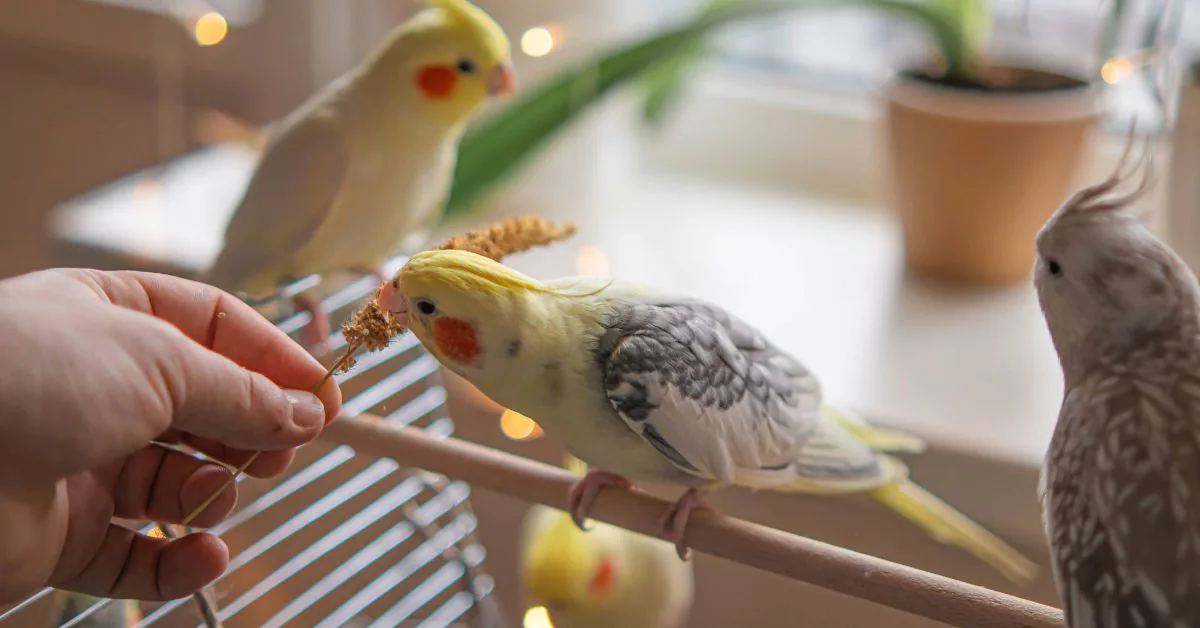
Cockatiels charm owners with expressive head crests, gentle dispositions, and a talent for whistling tunes. Many enjoy head scratches and bond closely with one favorite person. They also shed a fine powder that settles on nearby surfaces, which is worth knowing if anyone in your home is sensitive to dust. Their lifespans commonly stretch well past a decade, so even this small species is a long-term commitment.
Lovebirds
Lovebirds are compact, colorful, and full of attitude. They can be affectionate companions, although some become bossy or nippy without regular, gentle interaction. Whether a single lovebird or a pair suits your household depends largely on how much time you can spend together, a topic worth discussing with an avian veterinarian.
Canaries and Finches
Canaries and finches suit people who would rather watch and listen than handle. Their bright songs and busy flitting bring life to a room, and they usually do best in roomy flight-style enclosures. Because these birds typically dislike being held, they appeal to owners who want a lively display more than a cuddle buddy. Anyone asking “What are some common pet birds that need minimal handling?” will find finches near the top of the list.
What Birds Make the Best Pets?
No single species wins that title for everyone, because the best pet bird is the one whose needs match what you can offer every day.
Start With Your Own Lifestyle
Before you fall for a particular feather color, take stock of your household. Time, noise tolerance, living space, and budget all shape which birds will thrive with you. Consider asking yourself:
- How many hours a day can I spend interacting with my bird?
- How much noise can my family and neighbors comfortably tolerate?
- Do I have room for a spacious cage and safe out-of-cage time?
- Am I ready for a commitment that could last decades?
- Is anyone in my home sensitive to dust or dander?
Honest answers to these questions narrow the field far faster than a species chart can.
Beginner-Friendly Choices
New owners often feel most comfortable starting with budgies, cockatiels, or finches, since these birds are small, widely available, and generally manageable for first-timers. When people ask “What are some common pet birds for beginners?” those three come up first. A beginner can succeed with a larger bird too, but it takes extra research and a willingness to learn quickly.
Noise, Mess, and Other Realities
Every bird makes noise, scatters seed hulls, and sheds feathers and dander. Some species are much louder than others, and a bird’s volume often surprises new owners who only saw it quiet in a store. Anyone sorting through some common pet birds should spend time around the species in person, or talk with owners who live with them, because that gives a more honest picture than photos ever will.
Why Lifespan Deserves Attention
Birds often outlive dogs and cats by a wide margin. Finches and canaries commonly live five to ten years, while cockatiels can live fifteen or more and larger parrots can live for decades. Any list of common pet birds should note lifespan, because it shapes the whole decision. Think about who would care for your bird if life circumstances change. The best match is a bird you can picture living with for its entire life.
What Are Some Common Pet Birds Among Medium and Large Parrots?
Bigger parrots bring more intelligence, more volume, and a much longer commitment, so they reward owners who plan carefully.
Conures and Quaker Parrots
Conures are lively, clownish birds with big personalities packed into medium-sized bodies, and many are famously loud. They also tend to bond closely and love interaction. Quaker parrots, also called monk parakeets, are bold, chatty, and often good talkers. Rules about owning some species vary by state or city, so check local regulations before you commit.
African Greys and Amazons
African grey parrots have a reputation for intelligence and strong mimicry, and they tend to need plenty of mental stimulation to stay content. Amazon parrots are bold, vocal, and sociable, with a talent for singing and a flair for drama. Both species can live for decades, and both can develop behavior problems when bored or lonely. Owners curious about some common pet birds with big vocabularies often start here.
Cockatoos and Macaws
Cockatoos and macaws are affectionate, dramatic, and powerful. Their beaks can damage furniture and fingers, their voices carry through walls, and their needs for attention and space are substantial. They are often best suited to experienced keepers who have the room, time, and patience for a bird that may live fifty years or more.
Bigger Birds, Bigger Planning
With any large parrot, consider noise, space, chewing habits, and long-term care before bringing one home. When researching “What are some common pet birds in the parrot family?” remember that rescue organizations often shelter large parrots who lost their homes when owners underestimated these needs. Careful planning protects the bird as well as you, and talking with an avian veterinarian before choosing a large species can help you picture daily life with one.
How Can a New Bird Owner Get Off to a Strong Start?
Learning common pet birds is only half the job, because the other half is preparing your home and your veterinary support before the bird arrives.
Ask Questions Before You Bring a Bird Home
Whether you adopt from a rescue or purchase from a breeder, a good source welcomes your questions. Useful topics include:
- The bird’s age, background, and any known health history
- What the bird currently eats and how it is housed
- How the bird has been handled and socialized
- Whether the bird is weaned, and how it behaves around new people
- What support the seller or rescue offers after adoption
Schedule an Early Wellness Exam
Many avian veterinarians recommend a wellness exam soon after a new bird joins the family. Birds rarely show when something feels wrong, so a baseline exam gives your veterinarian a starting point and gives you a chance to ask about diet, housing, and daily care. New owners who just finished researching some common pet birds often arrive with a long list of questions, and that is exactly what the visit is for. Veterinary Center for Birds & Exotics in Bedford Hills, NY, welcomes new and longtime bird owners for exams and can talk through species-specific questions during the appointment.
What to Bring to a First Visit
A little preparation helps your appointment go smoothly. Consider bringing:
- Any paperwork from the breeder, rescue, or store
- A list of the foods your bird currently eats
- Photos of the cage setup and your bird’s usual perches and toys
- Your questions about behavior, diet, or daily routines
Why Avian-Focused Care Matters
A bird’s anatomy, diet, and behavior differ sharply from those of dogs and cats, so a practice focused on avian patients tends to catch details that others might overlook. Choosing an avian veterinarian early means you already have a trusted team to turn to when questions come up.
Matching Bird and Owner Is the Best Part of the Search
Whether you fall for a chatty budgie, a whistling cockatiel, or a thoughtful African grey, the best companion is the one whose needs you can meet for the long haul. Learning common pet birds is the fun first step, and a bit of research now pays off in years of happy routines. Birds reward patience, consistency, and curiosity with some of the most entertaining companionship in the animal world. Each one brings its own quirks, and part of the joy is discovering them one whistle, squawk, and head tilt at a time.
Questions about species, setup, or a first wellness exam? Our team at the Veterinary Center for Birds & Exotics in Bedford Hills, NY, is a phone call away. Whether you are still choosing a species or already sharing your home with a bird, call us at (914) 864-1414 today.
Recent Posts
MBD (Metabolic Bone Disease) in Leopard Geckos
The early signs of MBD in leopard geckos include walking with the belly dragging on the ground,…
How to Take Care of a Gecko
Geckos are a favorite among first-time reptile owners. They are quiet, fairly compact, and full of personality,…
How Big Do Leopard Geckos Get?
Most adult leopard geckos grow 7 to 10 inches long from nose to tail tip and weigh…
Snake Mouth Rot: Signs, Causes, and Treatment
The most common signs of snake mouth rot are tiny red spots or bleeding along the gums,…
Do Snakes Lay Eggs?
Do snakes lay eggs? Yes, most snakes lay eggs, but not all of them. Roughly 70 percent…
About Veterinary Centers for Birds and Exotics
If you have been looking for specialized care for your bird or exotic pet, look no further! We have you covered. At our unique animal hospital, we provide care to birds and exotics ONLY—no cats and dogs! We are the only bird and exotic veterinary hospital with a full-time, board certified bird specialist, Dr. Laurie Hess. Dr. Hess, who, with her associates, are the only full-time veterinarians in Westchester County who are residency-trained in bird and exotic medicine and surgery. Call to schedule an appointment for your pet!