

What Can I Feed My Parakeet? A Bird Owner’s Guide to a Balanced Diet
A healthy parakeet diet rests on a quality formulated pellet, a daily mix of fresh vegetables, a little fruit, and seed as an occasional treat. So, what can I feed my parakeet beyond the seed mix sold in most pet aisles? Plenty, and variety is what keeps a budgie healthy and interested at mealtime. Parakeets are tiny, but their nutritional needs are not simple, and it is easy to feel lost while standing in front of a wall of bird food and typing “What can I feed my parakeet?” into your phone. Veterinary Center for Birds & Exotics in Bedford Hills, NY, knows how much a bird’s dish shapes its feathers, energy, and long-term health. Below, we map out the core foods, sensible portions, the items to skip, and the signs that your parakeet’s menu deserves a professional’s opinion.
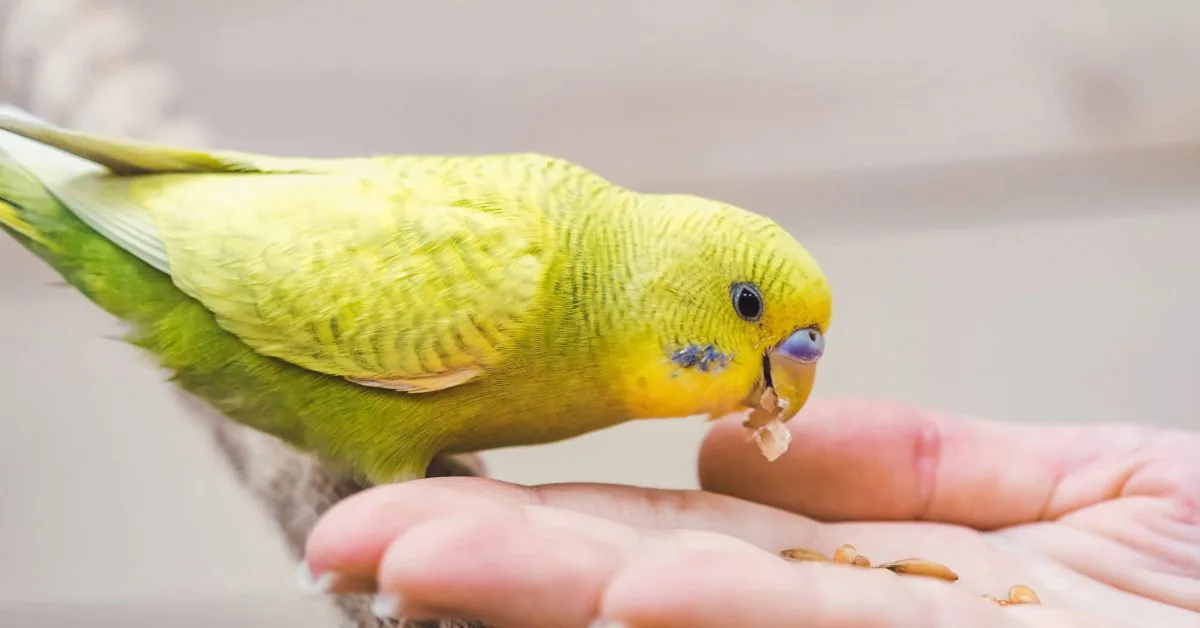
What Can I Feed My Parakeet Every Day?
A balanced daily menu has a few building blocks, and each one plays a different role in your bird’s health.
Pellets Make a Strong Foundation
Formulated pellets pack balanced nutrition into every bite, which is hard to match with a seed mix alone. Many avian veterinarians recommend them as the base of a pet parakeet’s diet. If your bird currently eats mostly seed, ask your veterinarian how to approach a change, since birds can be stubborn about new foods.
Fresh Vegetables Add Color and Nutrients
Vegetables deserve a place in the dish every day, and rotating colors and textures through the week keeps things interesting. Owners who ask “What can I feed my parakeet?” in the produce department often start with these popular choices:
- Dark leafy greens such as kale or romaine
- Shredded or thinly sliced carrots
- Bell peppers in any color
- Broccoli florets and leaves
- Squash and cooked sweet potato
- Fresh herbs such as cilantro and parsley
Fruit and Seeds Play Supporting Roles
Fruit offers vitamins and fun flavors, but it also contains natural sugar, so small pieces of apple, berries, melon, or mango work best. Remove apple seeds and pits first. Seeds still have a place as a treat or a foraging reward, yet they are rich in fat and should not fill most of the bowl.
How Much Should I Feed My Parakeet?
Portion needs vary from bird to bird, so think in terms of balance and routine rather than one magic number.
Proportions Matter More Than Exact Measurements
A parakeet is tiny, so a little food goes a long way. Anyone who has settled the question of “What can I feed my parakeet?” still needs a plan for portions, and the most useful answer is about proportion. Pellets should make up the largest share, vegetables belong in the dish daily, and fruit and seed should take smaller shares. Your avian veterinarian can set specific targets based on your bird’s age, size, and activity level.
Fresh Food Has a Short Shelf Life
Moist foods such as vegetables and fruit spoil quickly at room temperature, so most owners remove uneaten portions within a few hours. Fresh water should always be available, and food and water dishes need regular washing.
Millet and Other Special Treats
Millet spray is a budgie favorite, and it works well as a reward during training or bonding time. Because it is rich, it belongs in the treat category rather than on the daily menu.
Watching Weight and Appetite
Parakeets that fill up on fatty seeds can gain weight, and unusual changes in appetite can signal a health issue. Because feathers hide body shape, a hands-on check by an avian veterinarian gives a more accurate picture than eyeballing it at home.
Which Foods Should Stay Off a Parakeet’s Menu?
Anyone asking “What can I feed my parakeet?” should also learn what to leave out, because some everyday human foods are risky for birds.
Common Foods to Avoid
Avian veterinarians commonly caution against offering these:
- Avocado
- Chocolate and caffeine
- Alcohol
- Onions and garlic
- Salty, fried, or heavily processed snacks
- Fruit pits and apple seeds
This list is not complete, so when you feel unsure about a food, ask your veterinarian before offering it.
Why Small Birds Have Little Margin
A parakeet weighs very little, so even a nibble of the wrong food can matter more than it would for a larger pet. Salt, sugar, and fat that seem harmless to people can overwhelm a tiny body.
If Your Bird Eats Something Questionable
Call an avian veterinarian at Veterinary Center for Birds & Exotics or an animal poison hotline right away instead of waiting to see what happens. Have the name of the food and an estimate of how much your bird ate ready for the conversation.
When Should an Avian Vet Review Your Parakeet’s Diet?
Nutrition touches feathers, energy, and long-term health, so a periodic diet conversation belongs in every bird’s routine.
Changes Worth Mentioning
Bring up your bird’s menu at the next visit, or sooner, if you notice any of the following:
- Dull, ragged, or poorly growing feathers
- A bird who feels noticeably thin or heavy in the hand
- A sudden refusal of foods once enjoyed
- Changes in droppings
- Low energy or long stretches of fluffed-up sitting
None of these signs points to a specific cause by itself. An exam is the only way to learn what is going on.
Why Seed-Heavy Diets Come Up So Often
Many parakeets join their families eating mostly seed, since that is how bird food is often sold. Owners who ask “What can I feed my parakeet?” frequently discover that the habit is common and workable. A veterinarian can help you plan a gradual shift that suits your bird’s personality.
What to Bring to the Appointment
Photos of your bird’s food labels and a quick list of what your parakeet eats in a typical week give the veterinarian a clear starting point. Our team at Veterinary Center for Birds & Exotics can then tailor recommendations to your bird’s age, health, and habits.
Why Avian Expertise Helps
General practices care for many species, but birds have unique nutritional needs. A practice that focuses on feathered patients can spot dietary clues in a bird’s feathers, weight, and droppings that others might miss.
A Varied Dish Makes a Happier Budgie
Feeding a parakeet well comes down to variety, balance, and a willingness to try new things. Pellets form the base, vegetables bring color and nutrients, fruit and seeds add fun, and treats like millet make training rewarding. Every bird has its own tastes and needs, which is why a conversation with a professional is worth having.
If you are still asking “What can I feed my parakeet?” Veterinary Center for Birds & Exotics in Bedford Hills, NY, is equipped to help. Call us at (914) 864-1414 to talk through your bird’s menu or to schedule an exam, and we will help you build a diet your parakeet will love.
Recent Posts
How Long Do Parakeets Live? Lifespan, Wild Versus Home, and Healthy Aging
Most pet parakeets live about 5 to 10 years, and a well-cared-for budgie sometimes reaches its teens….
What Are Some Common Pet Birds? A Guide to Popular Feathered Companions
Budgies, cockatiels, lovebirds, conures, canaries, finches, and African grey parrots rank among the most popular companion birds,…
Why Is My Chicken Sneezing? Everyday Irritants, Illness, and When to Call a Vet
An occasional sneeze in a chicken is usually just dust or a tickle in the nasal passages,…
Common Causes of Feather Plucking in Birds and How Avian Vets Find Answers
The common causes of feather plucking in birds fall into three broad groups: medical problems, emotional or…
Why Is My Parakeet Shaking? What Bedford Hills Bird Owners Should Know
Parakeets shake for plenty of harmless reasons, including fluffing their feathers, drying off after a bath, and…
About Veterinary Centers for Birds and Exotics
If you have been looking for specialized care for your bird or exotic pet, look no further! We have you covered. At our unique animal hospital, we provide care to birds and exotics ONLY—no cats and dogs! We are the only bird and exotic veterinary hospital with a full-time, board certified bird specialist, Dr. Laurie Hess. Dr. Hess, who, with her two associates, Dr. Amanda Marino and Dr. Amanda Dewey, are the only full-time veterinarians in Westchester County who are residency-trained in bird and exotic medicine and surgery. Call to schedule an appointment for your pet!