

How Long Do Parakeets Live? Lifespan, Wild Versus Home, and Healthy Aging
Most pet parakeets live about 5 to 10 years, and a well-cared-for budgie sometimes reaches its teens. So, how long do parakeets live in the average home? Long enough to watch a child grow from elementary school to college, which surprises families who bring one home expecting a short-term pet. Lifespan is not fixed at birth, though. Genetics, diet, housing, and routine veterinary attention all push the number up or down. Veterinary Center for Birds & Exotics in Bedford Hills, NY, sees budgies at every stage, from fresh-feathered fledglings to slower, quieter seniors. Knowing the typical range helps you plan ahead, from setup and budget to who would care for your bird if life changes. Here is what to expect across a parakeet’s lifetime and which factors matter most.
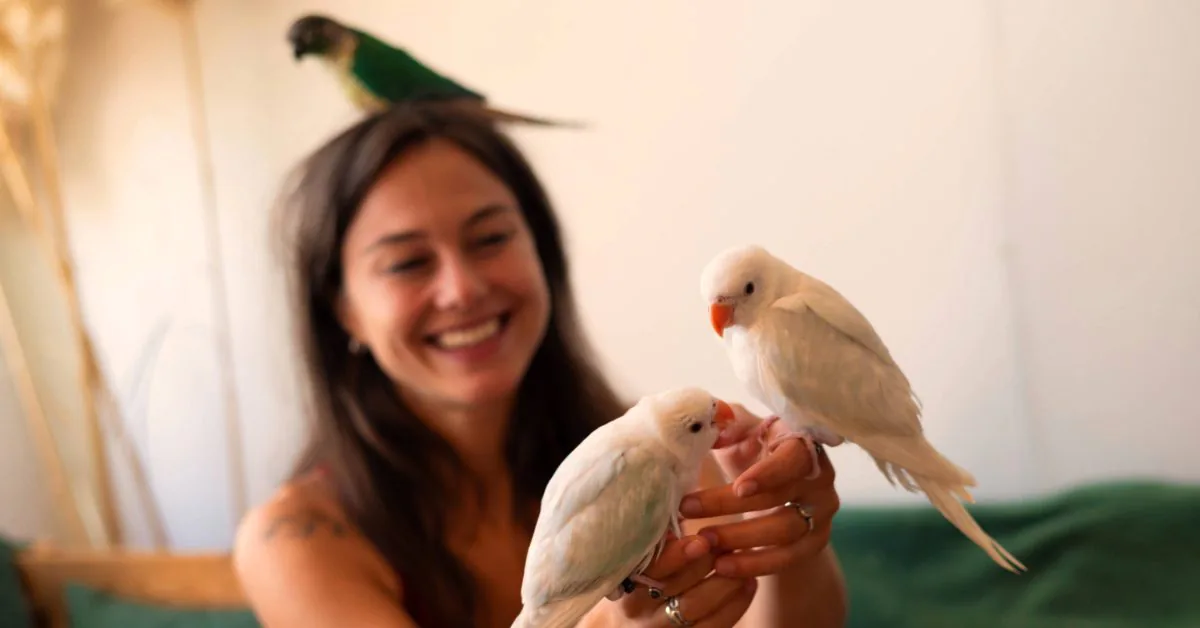
How Long Can Parakeets Live?
A healthy pet parakeet typically lives between 5 and 10 years, with some individuals going well beyond that range.
The Typical Range
When owners ask “How long do parakeets live?” the most common answer from avian professionals is roughly 7 to 10 years for a well-kept budgie. Some birds pass away earlier because of illness or accidents, while a few reach 12 or 15 years. Those long-lived birds are the exception, yet they show what good care can make possible.
Not Every Parakeet Is a Budgie
The word parakeet covers many species. Most people mean the budgerigar, but Indian ringnecks, monk parakeets, and several other birds carry the name too. Larger species tend to live longer. If you are asking “How long do parakeets live?” and your bird is not a budgie, confirm the species first, since the answer can change by decades.
General ranges for common birds called parakeets include:
- Budgies: roughly 7 to 10 years with good care
- Indian ringnecks: often 20 years or more
- Monk (Quaker) parakeets: often 20 years or more
These figures describe populations, not promises. An individual bird may fall above or below them.
Why Averages Only Tell Part of the Story
A range describes a group of birds, not yours. How long parakeets live in one household can differ greatly from the next, which is why individual care matters so much. Your avian veterinarian can talk with you about what a realistic outlook looks like for your particular bird.
How Long Do Parakeets Live in the Wild Compared With a Home?
Wild parakeets face hardships that pet birds rarely meet, which is the main reason home-dwelling birds tend to live longer.
Life in the Australian Outback
Budgies are native to the dry interior of Australia, where they travel in large flocks in search of water and seeds. Predators, drought, heat, and food shortages shorten their lives, and wild budgies commonly survive only a few years. That is a very different picture from the decade or so many pet birds enjoy.
What Changes Indoors
A home offers shelter, steady food, and clean water, along with protection from hawks and harsh weather. Indoor life brings its own hazards, however, including airborne fumes, other pets, and open doors and windows. Your avian veterinarian can talk through bird-safe household practices during a visit.
Longer Is Not Automatic
Captivity gives a bird the chance to live longer, but the result depends on whether the home actually meets the bird’s needs. A parakeet fed mostly seed, housed in a small cage, and left alone for long stretches may fall short of its potential. When people ask “How long do parakeets live in captivity?” the honest answer is that care quality is the biggest variable.
Genetics and Background
Some birds inherit tendencies toward health problems, and a bird’s early history can matter. It is worth sharing whatever you know about your parakeet’s breeder, age, and background with your veterinarian, so the whole picture is on the table from the start.
What Influences How Long Parakeets Live?
Several everyday factors shape a parakeet’s lifespan, and most of them sit within an owner’s reach.
Nutrition
Diet is one of the most talked-about influences. Seed-heavy menus often fall short on key nutrients and can contribute to weight problems, which is why avian veterinarians frequently recommend a more balanced approach. Anyone wondering “How long do parakeets live?” should review their bird’s diet with a professional, since the right plan depends on age, weight, and health.
Space, Exercise, and Enrichment
Parakeets are active, curious birds. Room to stretch their wings, safe time outside the cage, and toys that invite chewing and foraging all support physical and mental fitness. A bored, sedentary bird may gain weight and lose a healthy spark.
Company and Routine
Budgies are flock animals. Regular interaction, a predictable daily rhythm, and a full night of sleep help keep stress low. Chronic stress can wear on any animal, and birds are no exception.
Air Quality and Safety
Birds have sensitive respiratory systems. Smoke, aerosols, and fumes from some cookware and cleaning products can pose serious risks, so a bird-conscious household protects health in quiet ways.
Factors worth reviewing with your veterinarian include:
- Diet quality and variety
- Cage size and out-of-cage exercise
- Social time and sleep schedule
- Air quality, including smoke and household fumes
- Weight and body condition
- Regular wellness exams
How Can an Avian Vet Help Your Parakeet Reach Its Senior Years?
Preventive care is one of the strongest tools an owner has, because birds hide illness so well that problems often surface late.
Wellness Exams Catch Quiet Changes
Parakeets are prey animals, so they instinctively mask discomfort. A routine exam gives your veterinarian a baseline and a chance to notice subtle shifts in weight, feathers, or posture before they become obvious. Many avian veterinarians recommend exams at least once a year, and your own bird’s schedule can be tailored to its age and history.
Recognizing the Senior Stage
A budgie in the later years may start to slow down. Signs that can come with age include:
- Sleeping more or moving less
- Less interest in toys, flying, or climbing
- Changes in feather quality
- Shifts in weight or appetite
These changes can be part of normal aging or a signal of something else, and only an exam can tell the difference. If you notice any of them, mention them to your veterinarian rather than waiting.
What to Bring to an Appointment
Helpful details include your bird’s age or hatch date, what it eats in a typical week, photos of the cage setup, and notes on any behavior changes. A short phone video of anything unusual can also fill in the story.
Why Avian Focus Matters
A bird’s anatomy and needs differ sharply from those of dogs and cats. The team at the Veterinary Center for Birds & Exotics works with feathered patients every day, which helps us recognize healthy aging and spot early warning signs that others might overlook.
Plan for the Years Ahead, Not Just This Year
A parakeet who joins your home today may still be chirping a decade from now, and the habits you build in year one shape the years that follow. Understanding how long parakeets live gives you a framework, but your bird’s own story is written through everyday choices about food, space, company, and care. Birds repay that attention with years of song, mischief, and affection.
Ready to plan the next chapter for your budgie? Schedule a wellness visit at the Veterinary Center for Birds & Exotics in Bedford Hills, NY, and get an avian professional’s perspective on your bird’s age, habits, and long-term goals. Call us at (914) 864-1414 today.
Recent Posts
MBD (Metabolic Bone Disease) in Leopard Geckos
The early signs of MBD in leopard geckos include walking with the belly dragging on the ground,…
How to Take Care of a Gecko
Geckos are a favorite among first-time reptile owners. They are quiet, fairly compact, and full of personality,…
How Big Do Leopard Geckos Get?
Most adult leopard geckos grow 7 to 10 inches long from nose to tail tip and weigh…
Snake Mouth Rot: Signs, Causes, and Treatment
The most common signs of snake mouth rot are tiny red spots or bleeding along the gums,…
Do Snakes Lay Eggs?
Do snakes lay eggs? Yes, most snakes lay eggs, but not all of them. Roughly 70 percent…
About Veterinary Centers for Birds and Exotics
If you have been looking for specialized care for your bird or exotic pet, look no further! We have you covered. At our unique animal hospital, we provide care to birds and exotics ONLY—no cats and dogs! We are the only bird and exotic veterinary hospital with a full-time, board certified bird specialist, Dr. Laurie Hess. Dr. Hess, who, with her associates, are the only full-time veterinarians in Westchester County who are residency-trained in bird and exotic medicine and surgery. Call to schedule an appointment for your pet!