

Common Causes of Feather Plucking in Birds and How Avian Vets Find Answers
The common causes of feather plucking in birds fall into three broad groups: medical problems, emotional or behavioral stress, and environmental factors. Many birds have more than one at work at the same time, which is why plucking calls for a careful look rather than a quick guess. A once-glossy chest turning patchy is upsetting to see, and owners often blame themselves or assume their bird is simply bored. The truth is usually more layered. At the Veterinary Center for Birds & Exotics in Bedford Hills, NY, we discuss the common causes of feather plucking in birds with owners almost every week, and the story behind each bare patch turns out to be different. This blog walks through the major triggers, explains how physical and emotional causes overlap, and describes how an avian exam helps sort them out.
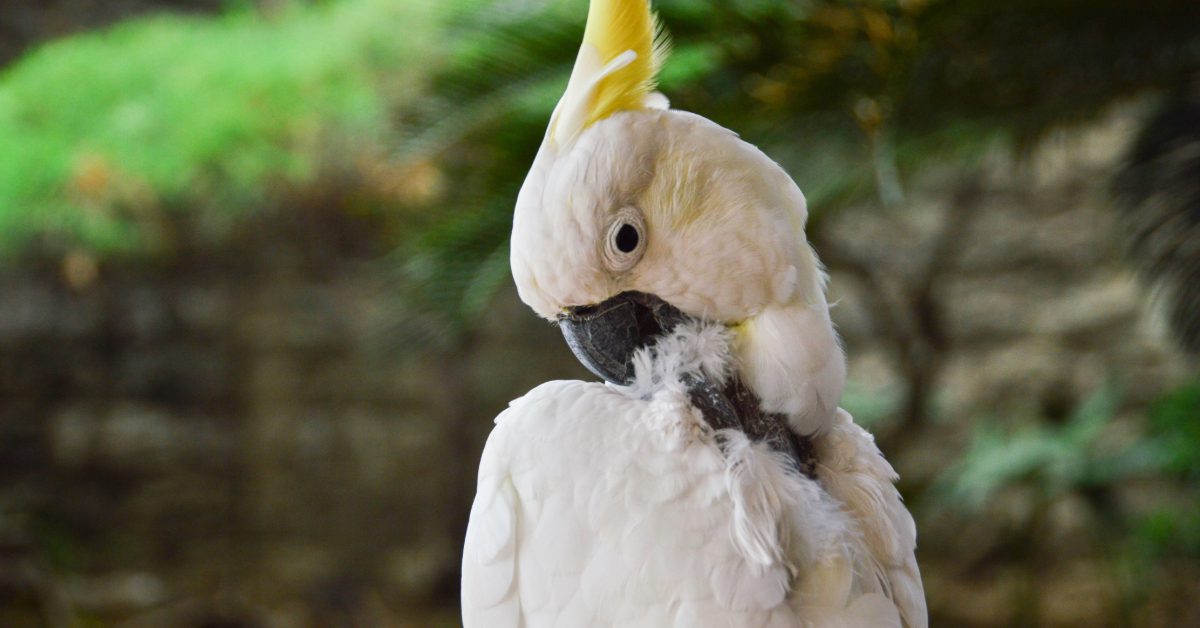
What Are Common Causes of Feather Plucking in Birds?
No single reason explains why a bird plucks, but most cases trace back to a handful of categories.
Medical Triggers
Skin irritation, infection, parasites, pain, organ disease, and hormonal changes can all lead a bird to pick at its plumage. Because these problems can look identical to a habit from the outside, plucking is often a symptom rather than the starting point.
Behavioral and Emotional Triggers
Boredom, loneliness, fear, and frustration can push a social, intelligent bird toward feather damage. Over time, the act itself may become a routine that continues even after the original trigger has faded.
Environmental Triggers
Dry air, poor sleep, airborne irritants such as smoke or household fumes, and a cage placed in a stressful spot can all play a part. A change that seems minor to a person can feel significant to a bird. Veterinarians who see many birds know these categories overlap.
A bird who began plucking because of a skin problem may keep going out of habit, and a stressed bird may end up with real skin damage. Some species, including African greys, cockatoos, and conures, are often described as more prone to the behavior, though any bird can develop it. That overlap is the main reason the common causes of feather plucking in birds are best sorted out with a professional exam rather than by guessing at home.
How Can a Medical Problem Lead a Bird to Pluck?
When plucking begins, an underlying health issue is one of the first things a veterinarian will want to rule out.
Skin and Feather Problems
Infections, parasites, and irritated skin can itch or sting, and a bird may respond by chewing or pulling at the area. Disorders that affect how new feathers grow can also leave damage that looks a lot like plucking.
Internal Illness and Pain
Problems inside the body, such as organ disease or discomfort in a joint, sometimes show up as attention to one specific spot. A bird may fixate on the skin over an area that bothers it, which is why the location of bare patches can give a veterinarian useful clues.
Diet and Hormones
Nutrition shapes skin and feather quality, and diets built mostly around seeds often fall short on key nutrients. Seasonal hormones can also raise irritability and increase preening, sometimes to the point of feather damage. Your avian veterinarian can talk through your bird’s diet and breeding-season behavior as part of an exam.
Anyone reading about the common causes of feather plucking in birds should remember that a medical cause can be present even when the behavior looks like the obvious explanation. Only an exam and, when needed, testing can confirm what is happening.
Do Boredom and Stress Rank Among the Common Causes of Feather Plucking in Birds?
Yes, and for many pet birds the emotional side of the story matters just as much as the physical one.
A Mind Built for Work
In the wild, birds spend much of the day searching for food, flying, and interacting with flock mates. A bird in a cage with little to occupy it has plenty of unused mental energy, and its own feathers are always within reach.
Social Strain
Flock animals feel isolation deeply. Long hours alone, a shift in who a bird is bonded to, or ongoing tension in the household can weigh on a bird. Some birds also pluck out of frustration when natural instincts, such as those that come with breeding season, have nowhere to go.
Changes That Can Unsettle a Bird
Certain events tend to show up in a bird’s history before plucking starts:
- A move, a renovation, or a rearranged room
- A new pet, a baby, or a long-term houseguest
- A shift in the owner’s work schedule or travel
- Loud noise, disrupted sleep, or a cage in a high-traffic spot
- The loss of a companion bird or a favorite person
Not every bird reacts to these events, and the same event can affect two birds very differently. Still, owners often notice that a stressor appeared around the time the plucking began, and jotting down that timeline gives your veterinarian a helpful starting point.
How Do Avian Veterinarians Work Out Why a Bird Is Plucking?
Finding the cause is a process of elimination, and it usually begins with a close look at your bird and a detailed conversation with you.
Plucking or a Normal Molt?
A molt is gradual and symmetrical, and new feathers follow. Plucking tends to be patchy and limited to places the bird can reach, such as the chest, flanks, and legs, while feathers on the head and neck often stay intact. Signs that point toward plucking rather than molting include:
- Bare patches that look uneven from one side to the other
- Chewed or broken feather shafts on the cage floor
- Red, irritated, or injured skin
- Feather loss that continues well beyond your bird’s usual molting season
What the Exam Involves
At Veterinary Center for Birds & Exotics in Bedford Hills, NY, the process starts with your bird’s history, diet, housing, and daily routine, followed by a hands-on physical exam. Depending on what the veterinarian finds, additional testing may be recommended to look at the skin, the feathers, and your bird’s overall health. Whatever the common causes of feather plucking in birds turn out to be for your pet, the treatment plan follows from those findings and is tailored to the individual bird.
Details Worth Sharing
Your observations fill in gaps that no test can. Helpful information includes:
- When the plucking began and what changed around that time
- Which areas are affected and whether they have spread
- Your bird’s diet, sleep schedule, and time spent out of the cage
- Photos or short videos of the behavior and the affected feathers
Bare Patches Tell a Story, and a Specialist Can Help You Read It
Feather plucking feels baffling, yet it rarely happens without a reason. Medical conditions, emotional strain, and surroundings each play a role, and most birds have more than one factor at work. Learning the common causes of feather plucking in birds is a useful first step, but it cannot replace the answers that come from a physical exam and the right testing. The sooner a bird is evaluated, the more clearly your veterinarian can see what is going on.
If your bird is losing feathers and you are not sure why, Veterinary Center for Birds & Exotics in Bedford Hills, NY, is here to help. Call our team at (914) 864-1414 to share what you have noticed or to schedule an exam, and we will work with you to uncover what is behind your bird’s feather loss.
Recent Posts
What Can I Feed My Parakeet? A Bird Owner’s Guide to a Balanced Diet
A healthy parakeet diet rests on a quality formulated pellet, a daily mix of fresh vegetables, a…
How Long Do Parakeets Live? Lifespan, Wild Versus Home, and Healthy Aging
Most pet parakeets live about 5 to 10 years, and a well-cared-for budgie sometimes reaches its teens….
What Are Some Common Pet Birds? A Guide to Popular Feathered Companions
Budgies, cockatiels, lovebirds, conures, canaries, finches, and African grey parrots rank among the most popular companion birds,…
Why Is My Chicken Sneezing? Everyday Irritants, Illness, and When to Call a Vet
An occasional sneeze in a chicken is usually just dust or a tickle in the nasal passages,…
Why Is My Parakeet Shaking? What Bedford Hills Bird Owners Should Know
Parakeets shake for plenty of harmless reasons, including fluffing their feathers, drying off after a bath, and…
About Veterinary Centers for Birds and Exotics
If you have been looking for specialized care for your bird or exotic pet, look no further! We have you covered. At our unique animal hospital, we provide care to birds and exotics ONLY—no cats and dogs! We are the only bird and exotic veterinary hospital with a full-time, board certified bird specialist, Dr. Laurie Hess. Dr. Hess, who, with her two associates, Dr. Amanda Marino and Dr. Amanda Dewey, are the only full-time veterinarians in Westchester County who are residency-trained in bird and exotic medicine and surgery. Call to schedule an appointment for your pet!