

How Long Do Pet Turtles Live For?
How long do pet turtles live for? Most pet turtles live 20 to 40 years with good care, and some species can reach 50 years or more. Lifespan depends on the species, diet, habitat, and access to veterinary care, so a turtle kept in a well-maintained enclosure often lives far longer than one kept in a small tank without proper heat and lighting.
Many people are surprised to learn that a turtle can outlive a family dog several times over. A hatchling bought for a child may still be thriving when that child has kids of their own. Understanding how long pet turtles live helps you plan for decades of care, not just the first few years. At Veterinary Center for Birds & Exotics, we treat turtles of all ages, from tiny hatchlings to seniors that have lived with the same family for 70 years or longer. In this blog, we’ll discuss typical lifespans for popular species, the factors that add or subtract years, common health problems that shorten a turtle’s life, and how to plan for a pet that may be part of your household for generations.
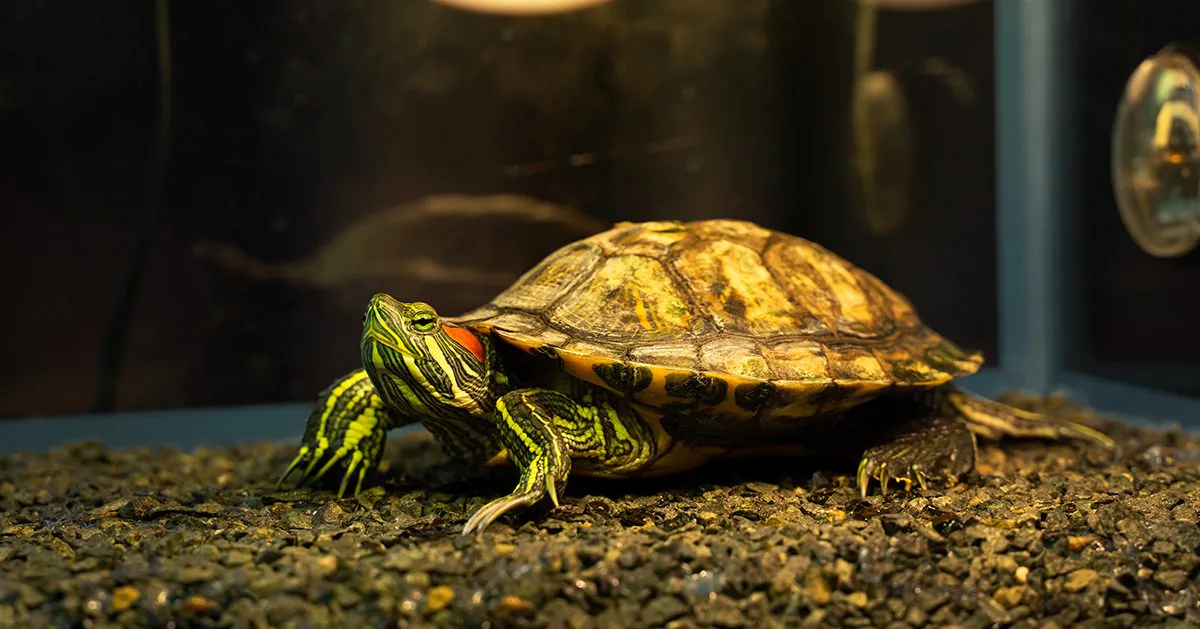
How Long Can Pet Turtles Live?
Lifespan varies widely from one species to the next. In general, larger aquatic turtles and tortoises tend to live the longest, though even small species can reach several decades.
Typical Lifespans by Species
With consistent, high-quality care, commonly kept turtles often live within these ranges:
- Red-eared slider: 20 to 40 years
- Painted turtle: 25 to 40 years
- Common musk turtle: 30 to 50 years
- Mud turtle: 30 to 50 years
- Russian tortoise: 40-100 years
- Herman’s tortoise: 60-75 years
- Reeve’s turtle: 20 to 30 years or longer
- Red footed tortoise: 50-60+ years
- Map turtle: 15 to 30 years
- Chinese box turtle: 25-40+ years
These figures are estimates. Individual turtles may fall above or below the range based on genetics, early life conditions, and long-term care.
Size plays a role, too. Larger species generally take longer to mature and tend to have longer lifespans than many owners expect. Females of some aquatic species face added health risks related to egg production, which can affect how long they live if problems go unnoticed.
Captive Versus Wild Lifespans
Turtles in human care can outlive their wild relatives because they avoid predators, harsh winters, road traffic, and food shortages. That advantage only holds when the habitat truly meets their needs. A poorly kept turtle may live only a fraction of its potential lifespan.
How to Estimate a Turtle’s Age
Unless you know a turtle’s hatch date, its exact age can be hard to determine. Counting the rings on shell scutes is unreliable, since growth rings depend on food and seasons rather than years. An exotic veterinarian can offer a general estimate based on size, shell condition, and overall health.
What Affects How Long Pet Turtles Live?
Several everyday factors shape how long pet turtles live. Most of them come down to husbandry, which means owners have a great deal of control over their turtle’s long-term health.
Habitat Quality
Clean water, reliable filtration, a proper basking spot, and enough room to swim all support a longer life in aquatic turtles. Cramped tanks and dirty water stress the immune system and increase the risk of infections. Upgrading to a larger enclosure as your turtle grows is one of the simplest ways to help pet turtles live longer, healthier lives.
Heat and UVB Lighting
Turtles rely on outside heat to digest food and fight illness. UVB light allows them to make vitamin D3 and absorb calcium for healthy shells and bones. Turtles kept without UVB often develop shell deformities and weak bones that shorten their lives.
Diet and Nutrition
A varied, species-appropriate diet supports steady growth and organ health. Turtles fed only one type of pellet or too much protein can develop obesity, shell pyramiding, or vitamin deficiencies. Your veterinarian can recommend the right balance of commercial food, leafy greens, and protein for your species.
Stress and Handling
Frequent handling, aggressive tankmates, and constant noise can cause chronic stress. Over time, this stress weakens a turtle’s defenses and makes illness more likely.
Early Life Care
The first few years set the foundation for a turtle’s adult health. Hatchlings that grow up with good lighting, nutrition, and clean water tend to develop stronger shells and bones that carry them through later decades.
Which Health Problems Shorten a Turtle’s Life?
Many conditions that cut a turtle’s life short are preventable or treatable when caught early. Recognizing the warning signs gives your veterinarian the best chance to help.
Common Conditions in Pet Turtles
Health issues we frequently see in turtles include:
- Vitamin A deficiency, which often causes swollen eyes and respiratory problems
- Respiratory infections, linked to cool water or air temperatures
- Shell infections and shell rot, often tied to poor water quality or injuries
- Metabolic bone disease from missing UVB or calcium imbalances
- Egg retention in females, even those housed without a male
- Parasites that affect digestion and weight
Subtle Signs Worth a Vet Visit
Turtles hide illness well. Watch for swollen or closed eyes, bubbles from the nose, lopsided swimming, soft shell areas, reduced appetite, or more time spent basking than usual. Any of these changes deserves a call to your exotic veterinarian rather than a wait-and-see approach. Delaying care is one of the most common reasons pet turtles live shorter lives than they could.
The Value of Annual Exams
Yearly wellness visits help catch problems before symptoms appear. During an exam, your veterinarian can check body weight, shell and skin condition, and eyes and mouth, and may recommend a fecal test for parasites. These visits also offer a chance to review your setup and diet.
Caring for Senior Turtles
Older turtles may slow down, eat less, or develop arthritis, kidney changes, or vision problems. Senior turtles benefit from more frequent checkups, and your veterinarian may suggest bloodwork to monitor organ function as your turtle ages.
Planning for a Lifelong Turtle Companion
Because pet turtles live for so many years, bringing one home is a long-term commitment. Thinking ahead protects both your family and your turtle.
Questions to Consider Before Adopting
Before choosing a turtle, think about where you will live in 10, 20, or 30 years and whether you can bring your turtle along. Consider the cost of larger enclosures as your turtle grows, ongoing equipment replacements, and regular veterinary care.
Making a Long-Term Care Plan
Since the answer to “How long do pet turtles live for?” can stretch past 40 years, some turtles outlive their original owners, so it helps to name a trusted friend or family member who is willing to take over care if needed. Writing down your turtle’s diet, enclosure details, and veterinary history makes any future transition much smoother.
Rehoming Responsibly
If you can no longer care for your turtle, contact a reptile rescue or your veterinarian for guidance. Never release a pet turtle outdoors, even in a local pond or park. Released turtles rarely survive, can spread disease to wild populations, and may compete with native species. Adopting an adult turtle from a rescue is also a wonderful option for families who want to skip the hatchling stage.
Supporting a Long, Healthy Life for Your Turtle
So, how long do pet turtles live for? With the right habitat, nutrition, and veterinary care, many reach 20 to 40 years, and some live well beyond that. Every improvement you make to your turtle’s care can add years to its life.
If you have more questions about how long pet turtles live, or you want a professional review of your turtle’s health and habitat, our team at Veterinary Center for Birds & Exotics is here to help. We provide experienced turtle and reptile care for families throughout Westchester County, NY. Call us at (914) 864-1414 to schedule a wellness exam and give your turtle the best chance at a long, healthy life.
Recent Posts
MBD (Metabolic Bone Disease) in Leopard Geckos
The early signs of MBD in leopard geckos include walking with the belly dragging on the ground,…
How to Take Care of a Gecko
Geckos are a favorite among first-time reptile owners. They are quiet, fairly compact, and full of personality,…
How Big Do Leopard Geckos Get?
Most adult leopard geckos grow 7 to 10 inches long from nose to tail tip and weigh…
Snake Mouth Rot: Signs, Causes, and Treatment
The most common signs of snake mouth rot are tiny red spots or bleeding along the gums,…
Do Snakes Lay Eggs?
Do snakes lay eggs? Yes, most snakes lay eggs, but not all of them. Roughly 70 percent…
About Veterinary Centers for Birds and Exotics
If you have been looking for specialized care for your bird or exotic pet, look no further! We have you covered. At our unique animal hospital, we provide care to birds and exotics ONLY—no cats and dogs! We are the only bird and exotic veterinary hospital with a full-time, board certified bird specialist, Dr. Laurie Hess. Dr. Hess, who, with her associates, are the only full-time veterinarians in Westchester County who are residency-trained in bird and exotic medicine and surgery. Call to schedule an appointment for your pet!