

Do Hedgehogs Have Quills?
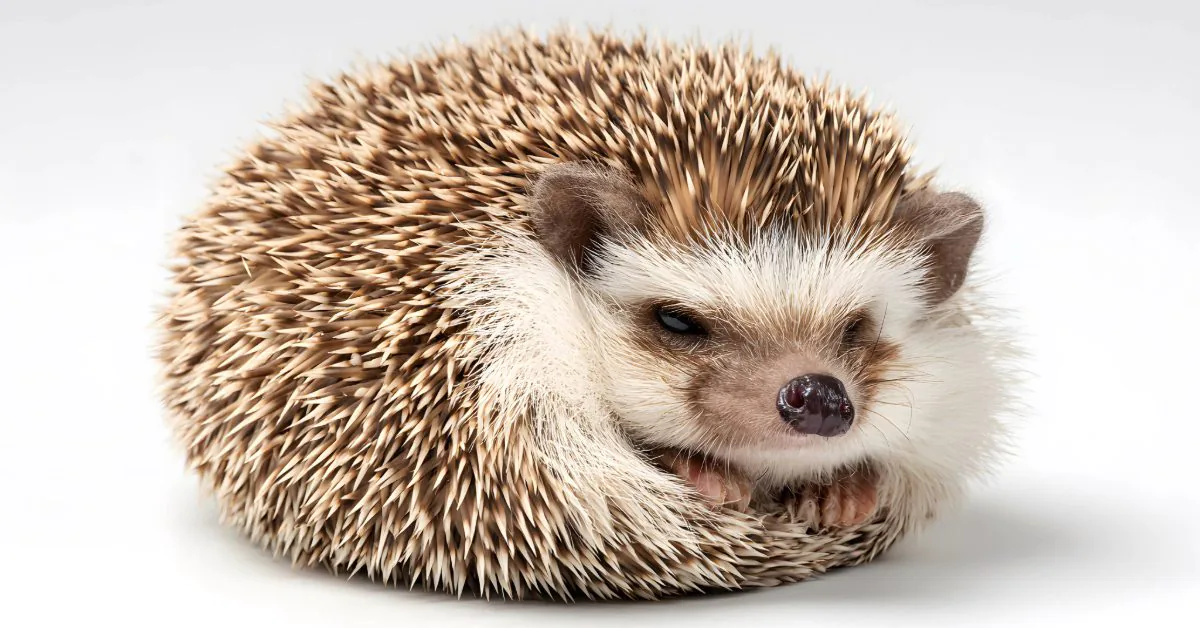
Do hedgehogs have quills? Yes. Every hedgehog is covered in thousands of sharp, hollow spines, which are technically modified hairs made of keratin, the same protein found in human fingernails. Those spines cover the back, sides, and top of the head, while the belly and face stay soft and furry. Run a fingertip gently across a hedgehog’s back and you will feel stiff bristles. Turn the animal over, and the belly feels like a plush velvet cushion.
That contrast surprises many first-time owners and curious nature lovers alike. Because quills raise so many questions about shedding, safety, and even comparison with porcupines, our team at Veterinary Center for Birds & Exotics in Bedford Hills, NY, hears them often from hedgehog families. A closer look at how these spines work reveals a clever piece of natural engineering and shows why a healthy coat matters. The answer is simple, but the details are surprisingly interesting.
What Are Hedgehog Quills Made Of?
Do hedgehogs have quills as sharp as they look? The points are firm, but the structure behind them is more elegant than it appears.
Hollow Hairs Built From Keratin
Each quill is a rigid hair with a hollow, chambered interior. The tiny pockets of air inside make the spine light yet strong, so a hedgehog can carry thousands of them without being weighed down. When people ask, do hedgehogs have quills or fur, the truthful answer is both: the quills are specialized fur, and the underside carries regular soft hair. Do hedgehogs have quills that bend? The shafts have a little give, which helps them withstand everyday bumps without snapping. That design balances protection and weight, since solid spines of the same size would make a small animal slow and tired.
How Many and How Long
An adult hedgehog carries several thousand spines, and each one measures roughly half an inch to an inch in length. They are usually banded in shades of cream, brown, and black, which gives the coat a speckled look. Different species and color varieties show slightly different patterns, but all share the same basic design. Color varieties such as albino and cinnamon show lighter banding, though the structure underneath is identical. Hedgehogs also keep their spines tidy by self-grooming and rubbing against bedding, and a clean habitat does much of the rest.
Soft Spots Without Spines
The face, legs, chest, and belly are free of quills and covered with fine fur instead. These areas are where hedgehogs are most vulnerable, which explains why the animal curls into a ball when frightened. That sharp border between prickly and soft is also why gentle handling should support the belly rather than squeeze the body.
Do Hedgehogs Shed Their Quills?
They get replaced, and the process is a normal part of growing up, though it can look dramatic to owners who have never seen it before.
Baby Spines Giving Way to Adult Ones
Hedgehog babies, called hoglets, are born with soft quills tucked beneath the skin, which emerge shortly after birth and harden over several days. A few weeks later, the young hedgehog begins replacing that first set with stronger adult spines in a stage known as quilling. During this time, quills may fall out in noticeable numbers, and the hedgehog can seem grumpy or sensitive to touch. Quilling can happen more than once as a young hedgehog matures, and each round may last a few weeks. Owners sometimes spot more scratching than usual while new spines push through the skin, which is common during a quill change.
Everyday Shedding in Adults
Adult hedgehogs lose a few quills here and there as old ones are swapped for new. Finding an occasional spine in the bedding is ordinary. Do hedgehogs shed their quills all at once? No, and a healthy adult should never look bald or patchy. Do hedgehogs have quills that grow back? Yes, each lost spine is replaced by a new one from the same spot over time.
When Quill Loss Needs Attention
A sudden or heavy loss of spines, especially alongside other changes, deserves a veterinary exam. Skin problems and parasites are among the possible causes, and only a veterinarian can sort them out. Please contact your exotic veterinarian if you notice any of these signs:
- Bare patches where spines used to grow thickly
- Flaky, crusty, or reddened skin among the quills
- Constant scratching or rubbing against the habitat
- A hedgehog that seems lethargic or stops eating along with quill loss
How Hedgehogs Put Their Quills to Work
Why do hedgehogs have quills in the first place? The spines are a built-in defense system, and hedgehogs use them in more than one way.
Muscles That Create the Ball
A strong band of muscle runs along the hedgehog’s back and sides. When the animal feels threatened, that muscle tightens, pulls the skin around the body like a drawstring bag, and forces the quills outward in every direction. The result is a prickly ball that makes it hard for a predator to find a soft target. The ball is surprisingly tight, and a frightened hedgehog may stay curled for several minutes before cautiously peeking out. Hedgehogs also hiss, huff, and jerk their spines upward when startled by a sudden noise.
Hedgehog Quills Versus Porcupine Quills
Many people wonder how hedgehog spines compare with the quills of a porcupine. Porcupine quills have microscopic barbs and can detach and lodge in an attacker. Hedgehog quills are firmly rooted, lack barbs, and generally stay put, so a hedgehog cannot launch them. Those who ask “Do hedgehogs have quills like porcupines?” will be relieved to learn that the similarity ends at a casual glance. The two animals are not close relatives either, since they belong to entirely different groups.
Reading a Hedgehog’s Mood
Quill position tells you a lot. Spines that lie flat usually mean a relaxed hedgehog. A raised crest on the forehead or back signals nervousness or irritation, and a tightly curled ball means the animal feels unsafe. Do hedgehogs have quills that change position with emotion? Absolutely, which makes them surprisingly expressive pets. Spines that slowly smooth down over a few minutes are a good sign that your presence is welcome.
Handling a Prickly Pet Comfortably
Do hedgehogs have quills that make handling tricky? A little, but most owners adapt quickly with a few simple habits.
Do the Spines Hurt?
When a hedgehog is relaxed, the quills lie flat and feel like a stiff brush. When it is startled and spines point outward, they can poke or prick the skin, though they rarely cause serious injury. Younger or nervous hedgehogs tend to have stiffer, more erect spines, while a calm adult is often comfortable to hold. Wash your hands after handling, and ask a doctor about any puncture that looks irritated or does not heal.
Building Trust at a Gentle Pace
A calm, patient routine helps a nervous hedgehog relax its spines. Scoop with both hands from below, keep sessions short, and let the animal explore your lap or a soft blanket. Some owners start with a fleece layer between hands and quills while trust develops. Offering a small treat from the palm while the hedgehog is awake can build positive associations, though portions should stay tiny.
Supporting Healthy Spines
Good coat health starts with a clean habitat, a balanced diet from your veterinarian’s recommendations, and steady temperatures. Regular wellness visits give your veterinarian a chance to check the skin and coat while the hedgehog is feeling well. Do hedgehogs have quills that need trimming or brushing? No, and owners should never cut or pull them.
These everyday habits help you notice changes early:
- Glance at the coat each week for bare patches or flaking
- Take occasional photos so you can compare changes over time
- Use dust-free bedding that will not irritate delicate skin
- Write down when heavy shedding begins and ends
None of these steps take much time, yet together they give you a clear record to share at your next visit.
Small Spines, Big Personality
Curious about your own hedgehog’s coat? Veterinary Center for Birds & Exotics in Bedford Hills, NY, welcomes questions from hedgehog owners and from families still deciding whether to adopt one. Our team can examine your pet and explain what healthy quilling looks like, and a visit goes smoothly when you arrive prepared.
Consider bringing these items or topics to the appointment:
- Recent photos of the coat, taken from above and from the side
- Notes on when quilling seemed to start and stop
- Questions about diet, bedding, and habitat setup
- Any worries about handling a prickly new arrival
Every bristle tells a small story about the animal wearing it. A hedgehog relaxed enough to smooth its spines flat is a pet that trusts you, and that trust is the real reward of sharing a home with one. Call us at (914) 864-1414 to schedule an appointment for your new companion.
Recent Posts
What Do Pet Rabbits Eat? A Practical Feeding Guide
What do pet rabbits eat? Mostly hay, plus leafy greens and a few pellets. Learn portions and...
Why Do Rabbits Eat Their Poop? The Science Behind a Strange Habit
Why do rabbits eat their poop? Learn about cecotropes, normal vs. concerning droppings, and when to call...
Why Is My Rabbit Not Eating?
Why is my rabbit not eating? Learn common causes, warning signs, and when to call Veterinary Center...
Do Pet Rats Carry Diseases?
Do pet rats carry diseases? Yes, like nearly every animal, they can carry germs, and a small…
How Long Do Pet Rats Live?
Most pet rats live about two to three years, and a few reach four with excellent genetics…
About Veterinary Centers for Birds and Exotics
If you have been looking for specialized care for your bird or exotic pet, look no further! We have you covered. At our unique animal hospital, we provide care to birds and exotics ONLY—no cats and dogs! We are the only bird and exotic veterinary hospital with a full-time, board certified bird specialist, Dr. Laurie Hess. Dr. Hess, who, with her two associates, Dr. Amanda Marino and Dr. Amanda Dewey, are the only full-time veterinarians in Westchester County who are residency-trained in bird and exotic medicine and surgery. Call to schedule an appointment for your pet!