

Guinea Pig Teeth Chattering: Causes and What It Means
In most cases, guinea pig teeth chattering is a warning. A guinea pig that clicks its teeth together quickly is saying he is annoyed, scared, or protecting his space, and he wants whatever bothers him to back off. The sound is easy to miss at first. It is a rapid clicking, a bit like a tiny typewriter tapping away from the corner of the cage. Then you notice the posture: head raised, mouth slightly open, body stiff, and a cage mate suddenly keeping its distance.
Owners often hear guinea pig teeth chattering and wonder whether something is wrong with their pet’s mouth, their friendship, or both. Our exotic animal team at the Veterinary Center for Birds & Exotics in Bedford Hills, NY, fields this question often. The sound usually carries a message about mood, though it sometimes overlaps with other noises that can signal discomfort. Learning the difference helps you respond calmly and know when a professional should take a look.
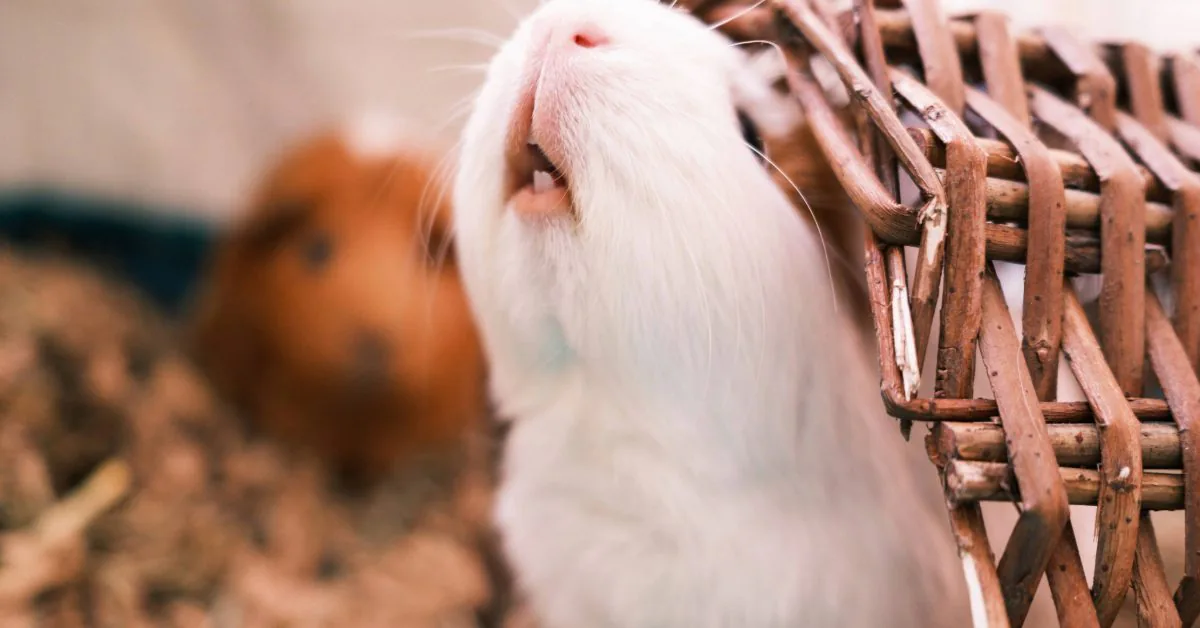
Why Is My Guinea Pig Chattering His Teeth?
Guinea pigs communicate with sounds and posture far more than most owners realize, and chattering belongs to the most assertive part of their vocabulary.
A Warning, Not a Greeting
When a guinea pig clicks his teeth rapidly, he is usually delivering a clear message: stay away. The behavior works as a threat display, a way to defuse a conflict before it turns physical. Guinea pig teeth chattering is often paired with a lifted head, a stiff stance, or a yawn that shows the front teeth. Many guinea pigs also freeze, stare, or turn sideways to look larger. Taking the message seriously matters, because a guinea pig that is ignored may escalate to lunging or nipping.
Annoyance, Territory, and Pecking Order
Guinea pigs are social animals with a loose hierarchy, and chattering is one tool they use to sort out their ranking. Two cage mates may chatter when one steals a favorite spot, crowds the food bowl, or sniffs where he is not welcome. The same behavior can appear when a new guinea pig arrives, or when a young male starts testing the older one. Guinea pig teeth chattering of this kind is often brief and settles once each animal has made its point.
Fear and Overwhelm
A frightened guinea pig can chatter as well, especially when cornered, grabbed too quickly, or startled by a loud household. A hand reaching in from above resembles a predator swooping down, so even a friendly owner can trigger the response. If your guinea pig only chatters during handling, the chattering is likely telling you that he feels unsafe. Slower, calmer approaches usually help.
How Chattering Differs From Other Tooth Sounds
Not every noise from a guinea pig’s mouth means the same thing, so tuning your ear to the differences pays off.
Chattering Versus Grinding
Rapid, sharp clicking is the classic guinea pig teeth chattering sound. A slower, quieter grinding of the teeth is different. Grinding can sometimes indicate pain, so a guinea pig that grinds his teeth while hunched, refusing food, or avoiding movement deserves a prompt call to your veterinarian. Context matters: chattering usually comes with an assertive posture, while grinding from discomfort often comes with a withdrawn one. If you are unsure which sound you are hearing, record a short video and play it for your veterinarian, who can tell you whether guinea pig teeth chattering or something more worrying is at play.
Other Common Sounds
Guinea pigs make a surprising range of noises. A deep, steady purr often accompanies petting and contentment. A short chut or chirp suggests curiosity, and a loud wheek usually means excitement about food. Rumbling, often with a swaggering walk, tends to be part of a dominance display. Putting these sounds together helps you understand each pet’s personality. Compared with the soft purr of a relaxed pet, guinea pig teeth chattering is sharper, faster, and clearly more urgent, and most owners learn to tell them apart within a few weeks of listening. Keeping a short note on when each sound happens can reveal patterns tied to feeding time, visitors, or a particular cage mate.
Reading Body Language Alongside the Sound
Sound alone can mislead, so watch posture too. These cues help decode what guinea pig teeth chattering is really saying:
- Raised head and stiff body, which suggest a warning to a rival
- Backing away, freezing, or hiding, which point toward fear
- Lunging, nipping, or mounting, which signal a dispute that may need separation
- Hunched posture with reduced appetite, which suggests discomfort and needs a veterinary exam
When Teeth Sounds Point to Dental Trouble
Behavior explains most cases of guinea pig teeth chattering, but a guinea pig’s teeth deserve attention in their own right.
Teeth That Never Stop Growing
A guinea pig’s teeth grow throughout his life and wear down through chewing, mostly on hay. If the teeth do not meet properly, or if the diet lacks enough fibrous material, they can overgrow or develop sharp points. This is called malocclusion, and it can make eating painful. Because guinea pigs must eat constantly, dental problems can become serious quickly. A guinea pig with a sore mouth may still seem hungry but struggle to chew, so a pet that approaches food and then walks away deserves attention. Even when guinea pig teeth chattering turns out to be purely behavioral, a routine mouth exam at each wellness visit is a smart habit.
Signs That Need a Veterinary Exam
Only a veterinarian can examine the mouth and judge whether the teeth are healthy. Contact your exotic veterinarian if you notice any of these signs:
- Drooling or a constantly wet chin
- Dropping food, chewing on one side, or refusing hay
- Weight loss despite eating less than usual
- Swelling on the face or jaw
- Teeth grinding that continues alongside a hunched posture
What Veterinary Care Looks Like
Your veterinarian will look in the mouth, check weight and body condition, and ask about diet and recent behavior. Depending on the findings, the team may recommend further testing or a treatment plan designed for a small animal. Dental work on guinea pigs is a specialized task, so owners should never try to trim teeth at home. Guidance from an exotics team gives your pet the safest, most comfortable path to recovery, and follow-up visits let your veterinarian watch how the teeth wear over time.
Helping Cage Mates and Owners Get Along
Once you know what guinea pig teeth chattering means, you can make small changes that reduce the arguments behind it.
Space, Hides, and Duplicate Supplies
Crowding is a common trigger. Provide a roomy enclosure with more than one hide, more than one food area, and more than one water source so no guinea pig has to compete. Placing two identical hideouts at opposite ends of the habitat gives each animal a retreat, and fresh hay piles in several corners prevent squabbles at mealtime. Regular cleaning also matters, since a tidy habitat is a calmer one.
Handling With Patience
If your guinea pig chatters when you reach for him, slow down. Approach from the side, speak softly, and scoop with both hands, supporting the hindquarters. Short, calm sessions with a favorite treat often turn a nervous pet into a friendlier one. Never punish chattering, because it is communication, and punishment can make a guinea pig more afraid. Owners who respond to guinea pig teeth chattering by pausing and giving space often find that the sound fades as trust grows.
Introductions and Pairing
New companions need careful introductions in a neutral space. Some chattering during the first meetings is normal, but fighting, bleeding, or relentless chasing means the animals should be separated. Your veterinarian can offer advice on pairing, including whether a particular combination is likely to get along. Pairs of the same sex who grew up together are often the easiest to manage, and a calm, patient owner can make every introduction smoother.
Listen Closely and Your Guinea Pig Will Tell You More
The next time that tiny typewriter starts clicking, pause and watch before you step in, because the sound is a message about mood, space, or comfort and often a sign of nothing worse than a disagreement over the best spot in the hay. Look at the posture, notice who is nearby, and think about what changed in the room, from a new cage mate to a louder household. Guinea pig teeth chattering that comes with drooling, weight loss, or a pet who stops eating is a different story and calls for a closer look. Bedford Hills families who are unsure which one they are hearing can bring their questions, and a short video of the sound, to our exotic veterinarians at the Veterinary Center for Birds & Exotics. A phone call is all it takes to get your guinea pig’s signals translated by people who work with small mammals every day. Call us at (914) 864-1414 today!
Recent Posts
What Do Pet Rabbits Eat? A Practical Feeding Guide
What do pet rabbits eat? Mostly hay, plus leafy greens and a few pellets. Learn portions and...
Why Do Rabbits Eat Their Poop? The Science Behind a Strange Habit
Why do rabbits eat their poop? Learn about cecotropes, normal vs. concerning droppings, and when to call...
Why Is My Rabbit Not Eating?
Why is my rabbit not eating? Learn common causes, warning signs, and when to call Veterinary Center...
Do Pet Rats Carry Diseases?
Do pet rats carry diseases? Yes, like nearly every animal, they can carry germs, and a small…
How Long Do Pet Rats Live?
Most pet rats live about two to three years, and a few reach four with excellent genetics…
About Veterinary Centers for Birds and Exotics
If you have been looking for specialized care for your bird or exotic pet, look no further! We have you covered. At our unique animal hospital, we provide care to birds and exotics ONLY—no cats and dogs! We are the only bird and exotic veterinary hospital with a full-time, board certified bird specialist, Dr. Laurie Hess. Dr. Hess, who, with her two associates, Dr. Amanda Marino and Dr. Amanda Dewey, are the only full-time veterinarians in Westchester County who are residency-trained in bird and exotic medicine and surgery. Call to schedule an appointment for your pet!