

Hamster Eye Infection: Treatment and Prevention
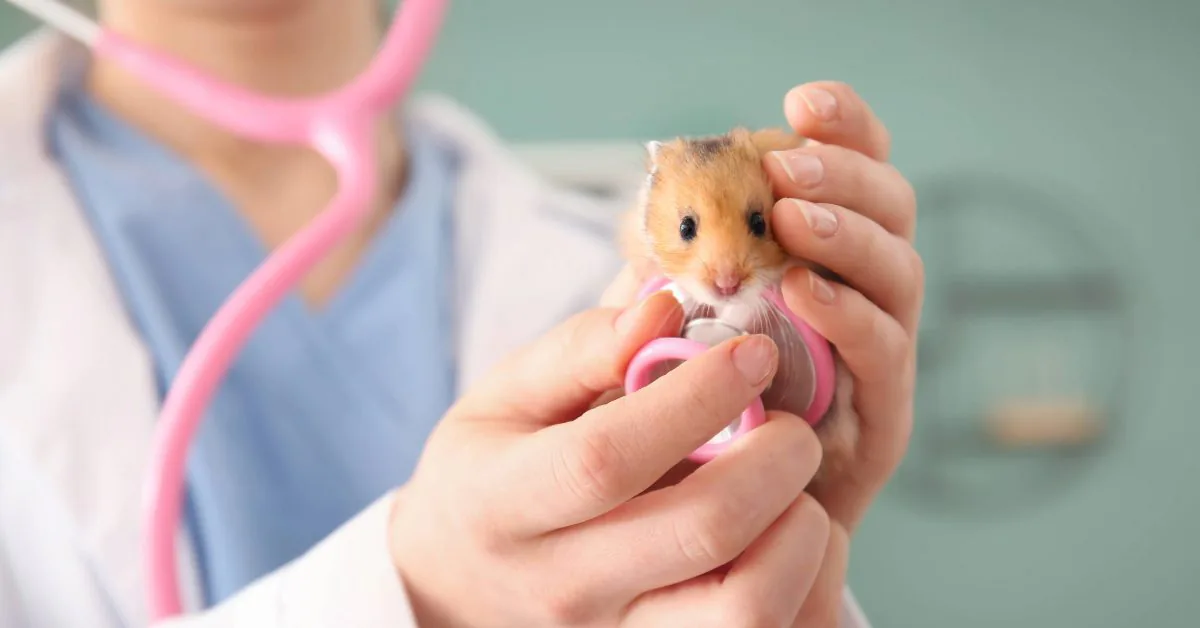
What causes an eye infection in hamsters? Most cases trace back to bacteria that invade after an irritant or injury, such as dusty bedding, a scratch from a tunnel, or a poking bit of hay. Underlying problems like dental disease or a cheek pouch abscess can also trigger one. Think about how miserable a single speck of grit feels in your own eye, then shrink that experience down to a pet whose eyes are barely larger than peppercorns. Hamsters have prominent, exposed eyes that sit near the floor of a habitat full of dust, bedding, and tunnels, so trouble can start quickly. A hamster eye infection rarely clears up by itself, and delays can threaten vision. Owners who understand the common triggers can spot problems earlier and work with our exotic veterinarians at Veterinary Center for Birds & Exotics in Bedford Hills, NY, to protect their pet’s sight.
What Causes an Eye Infection in Hamsters?
A hamster eye infection almost always has a starting point, and finding it helps prevent the next one.
Bacteria Waiting for an Opening
Healthy eyes defend themselves well, but bacteria that normally live on the skin or in the environment can multiply when the surface of the eye is irritated or damaged. The resulting inflammation of the eye and eyelid lining is called conjunctivitis, and it produces the discharge and redness owners notice first. A hamster whose immune system is weakened by stress, age, or other illness has less ability to fight off these germs. That is why a minor irritation can turn into a full hamster eye infection within a day or two.
Irritants in the Habitat
Dusty or scented bedding, cedar and pine shavings, and ammonia from soiled litter all irritate delicate eye tissue. Hamsters dig constantly, which throws particles upward and into the face. A habitat that stays damp or smells strongly of urine increases the risk even further, so cleanliness and bedding choice matter just as much as any medicine.
Scratches, Scuffles, and Sharp Objects
Tiny injuries invite infection. A stiff piece of hay, a rough toy edge, or a squabble between hamsters can scratch the surface of the eye, and bacteria move in quickly. Syrian hamsters live alone for good reason, since cage mates can injure each other, while dwarf hamsters sometimes fight even when they seem compatible. Any hamster that develops a hamster eye infection after a scuffle deserves a prompt exam.
Problems Beyond the Eye
Sometimes the eye is only where trouble becomes visible. Overgrown or misaligned teeth, tooth root disease, and abscesses near the cheek can all push on tissue around the eye or spread infection nearby. If swelling keeps returning, your veterinarian will look at the whole head, not only the eyeball.
Spotting Eye Trouble Before It Escalates
Hamsters rarely show pain openly, so owners need to watch for small changes in the eyes and in behavior.
Discharge and Crusting
Clear, watery tearing may be an early sign of irritation. Thick, sticky, yellow or green discharge often points toward infection, and it can glue the eyelids shut after a night of sleeping. A hamster eye infection that has reached this stage needs veterinary attention soon, not a wait-and-see approach. Some owners first notice a damp patch of fur around the eye or a bit of bedding stuck to the lid. A hamster eye infection also tends to show up in one eye first, though it can spread to both within a day or two.
Swelling, Redness, and Squinting
Puffy eyelids, a reddened lining, and constant squinting all suggest pain. Some hamsters paw at the face repeatedly, rub the eye along the cage, or turn away from light. A change in daily habits, such as eating less or staying hidden, often accompanies discomfort in a species that hides illness well. Light sensitivity is another clue. If your pet usually ventures out at dusk and now stays buried in the nest, the glare of a lamp may be uncomfortable.
Bulging or Cloudy Eyes
A visibly protruding eyeball, a cloudy surface, or a sudden change in the size of one eye is more serious. Eye injuries in hamsters can progress rapidly, so these signs call for same-day veterinary care.
Contact your exotic veterinarian if you notice any of these:
- Eyelids that stay stuck together after your hamster wakes up
- One eye noticeably larger, smaller, or more sunken than the other
- A pale, white, or bluish haze over the surface
- Persistent rubbing of the face against bars or accessories
How Do Veterinarians Treat Eye Infections in Hamsters?
Professional treatment targets both the infection itself and whatever allowed it to develop.
A Careful Eye Exam
Because a hamster eye infection can look similar to injuries, tooth problems, or tumors, an exotics veterinarian examines the eye closely, often with magnification and special stains that reveal scratches on the surface. The exam also covers the mouth, face, and general condition to look for an underlying cause. Your veterinarian may also ask about diet and housing, since small details like a bedding brand can reveal the source of irritation.
Medication and Supportive Care
Treatment commonly involves prescription medications selected for the individual pet, which may include eye drops or ointments and sometimes medicine given by mouth. Your veterinarian may also address pain, hydration, and nutrition, and will explain how to give prescribed medication safely. Tiny patients need precise dosing, which is one more reason to avoid guessing at home. Recheck visits let your veterinarian confirm that the eye is healing as expected, so a hamster eye infection does not linger unnoticed.
Why Human Products Are Risky
Over-the-counter eye drops made for people are not designed for hamsters, and some ingredients can worsen the problem or cause harm to a small body. Home remedies can also delay proper care. When you suspect a hamster eye infection, a veterinary visit is the safest first step. Early treatment often resolves the problem with relatively simple care, while neglected cases can lead to corneal ulcers, lasting damage, or even loss of the eye.
Bring these details to the appointment so your veterinarian has the full picture:
- The type of bedding and food you use, including recent changes
- When the discharge or swelling first appeared
- Whether other hamsters or pets share the space
- Photos of the eye taken during the first day or two
Habitat Habits That Protect Little Eyes
A hamster eye infection often has an environmental cause, so prevention starts with controlling the space your pet lives in every day.
Bedding That Stays Gentle
Choose dust-free, paper-based bedding and skip aromatic shavings. Dust is one of the most common contributors to a hamster eye infection, because hamsters dig and burrow, which lifts particles right to eye level. Even the cleanest-looking bag can shed fine powder, so shake out a handful before pouring it in and look for a haze. Fresh bedding should look soft and clean rather than powdery.
Cleaning on a Sensible Schedule
Remove soiled areas promptly and give the habitat a full cleaning at regular intervals, since ammonia irritates the eyes quickly. Wash food dishes and water bottles often, and wash your hands before and after handling your pet. A full cleaning does not mean scrubbing away every scent, so leave a handful of clean, unsoiled nesting material to help your pet feel at home afterward.
Safe Accessories and Housing
Inspect toys and hides for splintered edges, and avoid coarse hay or straw as nesting material. House Syrian hamsters alone, and watch dwarf hamsters closely for signs of conflict. Wheels with open rungs, rough plastic seams, and loose hanging fibers can all catch a face as a hamster races past. A smooth, solid wheel and sturdy hides give your pet room to play without risk.
These everyday habits make a measurable difference:
- Check both eyes each evening when your hamster wakes up
- Offer gnawing items so teeth stay at a healthy length
- Place the habitat away from drafts, smoke, and aerosol sprays
- Schedule a wellness exam at least once a year
No single step guarantees healthy eyes, but together these habits shrink the chances of irritation and give you more chances to catch small changes early.
Bright Eyes Are Worth Protecting
Alert, clear eyes are one of the easiest signs of a healthy hamster, and a quick glance every evening costs almost nothing. When something looks off, early action usually leads to easier treatment and a more comfortable pet. Hamsters hide how they feel, yet their eyes rarely lie. Dull, crusty, or half-closed eyes are a message worth taking seriously, even when your pet is still eating and racing on the wheel at night. Many a hamster eye infection stays minor when someone looks at it early.
If you spot discharge, swelling, or squinting, call Veterinary Center for Birds & Exotics in Bedford Hills, NY at (914) 864-1414. Our team can examine your hamster, identify what is behind a hamster eye infection, and recommend a plan to help your pet see clearly again. Reach out sooner rather than later, because small eyes leave little margin for waiting.
Recent Posts
What Do Pet Rabbits Eat? A Practical Feeding Guide
What do pet rabbits eat? Mostly hay, plus leafy greens and a few pellets. Learn portions and...
Why Do Rabbits Eat Their Poop? The Science Behind a Strange Habit
Why do rabbits eat their poop? Learn about cecotropes, normal vs. concerning droppings, and when to call...
Why Is My Rabbit Not Eating?
Why is my rabbit not eating? Learn common causes, warning signs, and when to call Veterinary Center...
Do Pet Rats Carry Diseases?
Do pet rats carry diseases? Yes, like nearly every animal, they can carry germs, and a small…
How Long Do Pet Rats Live?
Most pet rats live about two to three years, and a few reach four with excellent genetics…
About Veterinary Centers for Birds and Exotics
If you have been looking for specialized care for your bird or exotic pet, look no further! We have you covered. At our unique animal hospital, we provide care to birds and exotics ONLY—no cats and dogs! We are the only bird and exotic veterinary hospital with a full-time, board certified bird specialist, Dr. Laurie Hess. Dr. Hess, who, with her two associates, Dr. Amanda Marino and Dr. Amanda Dewey, are the only full-time veterinarians in Westchester County who are residency-trained in bird and exotic medicine and surgery. Call to schedule an appointment for your pet!