

Hedgehog Care: How to Care for a Hedgehog
Imagine hedgehog care as a job posting. The hours run overnight, the workplace must stay toasty, the catering involves insects, and your new coworker greets you with a hiss and a ball of spikes. Plenty of people accept the position anyway, and many say it is the most charming job they have ever held. How do you take care of a hedgehog? You give it a warm, roomy habitat, a protein-rich insect-based diet, quiet days for sleeping, and gentle evening handling, along with regular visits to an exotic animal veterinarian. Good hedgehog care comes down to steady routines and a lot of patience. Our team at the Veterinary Center for Birds & Exotics in Bedford Hills, NY, meets new hedgehog owners every week, and the questions are usually the same: what does my hedgehog need, what counts as normal, and what is a warning sign? The answers begin with understanding how a small, solitary, nocturnal insect-eater is built to live.
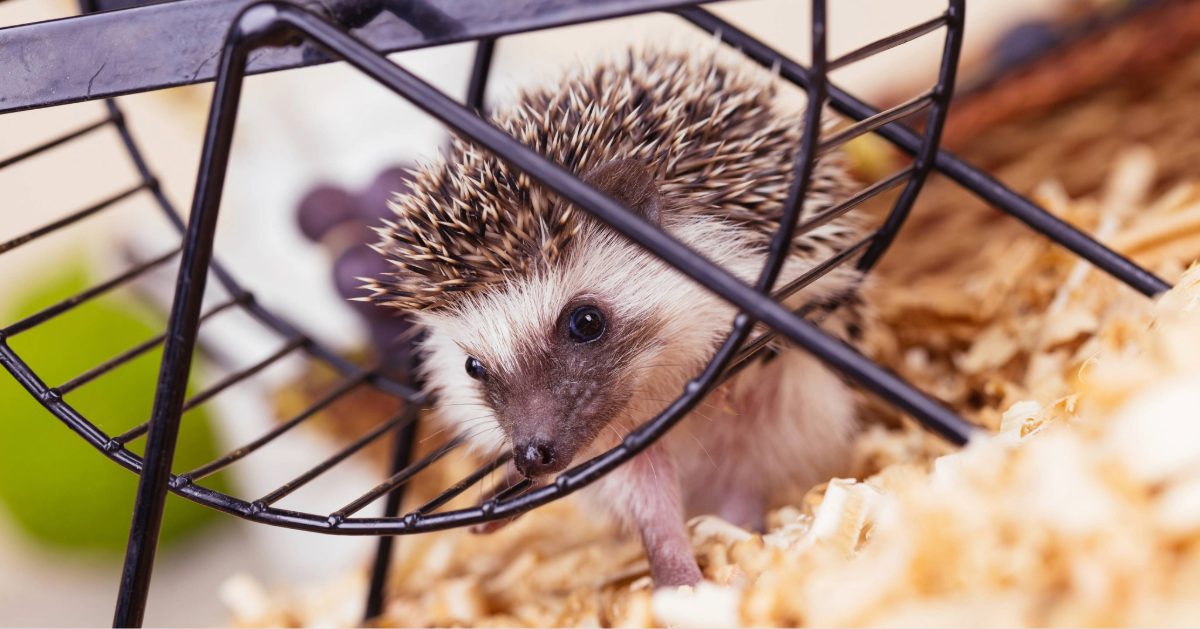
How to Take Care of a Hedgehog
Daily hedgehog care is simple once you see the pattern, and every piece of it follows the animal’s natural instincts.
Work With the Night Schedule
Pet hedgehogs, usually African pygmy hedgehogs, sleep through the day and wake as the evening settles in. Waking one during daylight tends to produce a cranky, balled-up animal, so schedule your interaction for after dinner. Place the habitat in a quiet room away from bedrooms, because a hedgehog on its wheel at midnight can be louder than owners expect. Dim, consistent lighting on a regular day and night cycle helps the animal keep a healthy rhythm. Hedgehog care works best when the household respects those sleeping hours the same way you would respect a roommate who works the night shift.
Build a Predictable Daily Rhythm
Hedgehogs learn routines quickly, and predictability lowers stress. Most owners settle into a short evening checklist. A typical session might include these tasks:
- Swapping in fresh water and a measured portion of food
- Spot cleaning droppings and soiled bedding
- Glancing at the thermometer inside the habitat
- Offering a calm handling session once the hedgehog is awake and alert
A weekly deep clean and a quick weigh-in on a kitchen scale round out the routine, and a written log makes patterns easy to spot.
Respect Their Solitary Nature
Unlike hamsters in a pair or rats in a group, hedgehogs live alone in the wild and prefer to do so at home. Housing two together invites stress and fights, even when they seem friendly at first. Your company is enough, provided you move slowly and let the hedgehog set the pace. Treat the first few weeks as an introduction period, because many hedgehogs need time before they uncurl for a new person.
Building a Warm, Safe Habitat
The enclosure does much of the heavy lifting in hedgehog care, so it deserves the most planning before your new pet arrives.
Space and Flooring
Choose a large enclosure with a solid floor and secure sides. Wire floors can injure delicate feet, and cramped spaces lead to boredom and weight gain. Hedgehogs are surprisingly good climbers and escape artists, so a tight lid or tall walls matter. Use paper-based or fleece bedding, and avoid cedar or pine shavings, which can irritate the respiratory tract. Provide a hide large enough to curl up inside, plus a corner that can serve as a bathroom, which makes cleanup easier.
Heat and Comfort
Pygmy hedgehogs come from warm regions, so their habitats need a dependable heat source regulated by a thermostat, with a thermometer placed inside the enclosure at hedgehog level. A cold room can send a hedgehog toward a dangerous, hibernation-like state, which is why steady warmth is non-negotiable in hedgehog care. Ask your veterinarian which equipment and settings suit your home, and plan for what happens during a power outage. Check temperatures every day, because heaters can fail without warning and owners rarely notice until the hedgehog does.
Wheels and Enrichment
Hedgehogs may run for miles each night, so a solid, quiet wheel is essential to hedgehog care. Choose one wide enough that the spine stays straight, with no open rungs that could trap a foot. Tunnels, cardboard tubes, and rotating toys keep curious minds busy. Clean the wheel often, since hedgehogs have a habit of leaving droppings on it while they run.
Gather these essentials before bringing your hedgehog home:
- A spacious enclosure with a secure lid and solid floor
- A thermostat-controlled heat source and digital thermometer
- A solid-surface running wheel sized for a hedgehog
- Dust-free bedding and a snug hiding place
- Heavy food and water dishes that resist tipping
Feeding a Small Insect-Eater Well
Nutrition is the part of hedgehog care that surprises new owners most, because these animals are not simply tiny rodents.
A Diet Built Around Protein
In the wild, hedgehogs eat mostly insects, so a quality hedgehog or insectivore diet makes a better foundation than rodent chow or fruit-heavy mixes. Many owners combine a high-protein, moderate-fat kibble with insects offered as treats. Because brands vary a great deal in fat and protein, your veterinarian can recommend a diet that fits your pet’s age and body condition. Fresh, clean water should always be available. Consistent feeding times are a simple but valuable part of hedgehog care, since they let you notice immediately when your pet skips a meal.
Treats Without the Weight Gain
Mealworms, crickets, and similar insects are popular, but hedgehogs love them so much that portions can quietly grow out of control. Obesity is one of the most common problems seen in pet hedgehogs, and extra weight makes it harder to curl into a protective ball. Keep treats small and occasional, and use them as rewards during bonding sessions instead of filling the bowl. A weekly weigh-in catches creeping weight early.
Foods and Habits to Avoid
Many human foods are poor choices for hedgehogs. Dairy can upset a hedgehog’s digestion because the animals cannot handle lactose well, and nuts, seeds, and dried fruit can pose choking hazards. Ask your veterinarian before introducing anything new. Switch foods gradually, since sudden changes can upset a sensitive stomach, and scatter some kibble around the habitat on occasion so your pet can forage instead of simply eating from a bowl. Wash dishes daily, because leftover insects and kibble spoil quickly in a warm habitat and can attract pests.
Handling, Bonding, and Hygiene
Trust takes time, and the way you approach handling shapes the relationship more than any single product or tip.
Earning Trust at the Hedgehog’s Pace
A new hedgehog often hisses, huffs, and pops its quills when you reach in. That is a defense, not a verdict on you. Let your pet sniff your hand, or a worn cloth that carries your scent, before you try to pick it up. Slide both hands beneath the body and lift gently, supporting the belly. Short, calm sessions repeated daily build confidence faster than long, forced ones. Patient hedgehog care pays off when a once-spiky ball begins to unroll in your hands. Some owners rest a hedgehog in a fleece pouch or sit on the floor so a wriggly pet has a short fall if it squirms free.
Bath Time and Nail Care
Hedgehogs generally keep themselves clean, but muddy feet or messy droppings sometimes call for a quick, shallow, lukewarm foot soak. Dry your pet thoroughly afterward so it does not get chilled. Nails grow steadily and may need regular trimming, which is another task your veterinary team can demonstrate during a wellness visit. Never cut or pull quills, since they are part of the animal’s body and are not meant to be groomed like fur.
Washing Up and Staying Safe
Like many small pets, hedgehogs can carry Salmonella bacteria without looking sick. Wash your hands after handling your hedgehog, cleaning the habitat, or touching its supplies, and keep cleaning tools away from kitchen areas. Families with infants, older adults, or anyone with a weakened immune system should talk with a doctor before adopting. Responsible hedgehog care protects people just as much as it protects the pet. Keep the hedgehog out of food-preparation areas, and do not let it roam over surfaces where you eat.
Staying Ahead of Health Problems
Hedgehogs hide discomfort well, so ongoing observation and routine checkups are the backbone of long-term hedgehog care.
Everyday Observation
Spend a minute each evening looking at posture, appetite, droppings, and energy. Healthy hedgehogs are curious, steady on their feet, and eager to eat. Noticing a slow change in any of these gives your veterinarian more to work with. Photos and written notes make it easier to see trends that a single glance would miss. Careful observation is the cheapest form of hedgehog care, and it costs only a few quiet minutes. Many owners keep a simple notebook beside the habitat for weights, appetite, and anything unusual.
Common Concerns in Pet Hedgehogs
Obesity, dental disease, skin mites, and certain tumors appear regularly in hedgehogs as they age, and some develop an inherited neurological condition known as wobbly hedgehog syndrome. Only a veterinarian can diagnose what is behind a symptom, and treatment should always come from a professional rather than home experiments. Contact your exotic veterinarian at Veterubary Center for Birds & Exotics promptly if you see any of these signs:
- Sudden weight gain or loss
- Wobbling, stumbling, or dragging a limb
- Bare patches, flaking skin, or constant scratching
- Refusing food, lethargy, or abnormal droppings
Building a Relationship With an Exotics Veterinarian
Not every clinic sees hedgehogs, so choose a practice such as Veterinary Center for Birds & Exotics before you need one. A first exam soon after adoption sets a baseline for weight, teeth, skin, and general condition. Annual wellness visits help the veterinarian spot subtle changes that busy owners can overlook, and knowing where to go after hours takes pressure off if something happens at 2 a.m.
Your Hedgehog’s Best Years Start Here
Whether you have just brought a hedgehog home or are still planning, Veterinary Center for Birds & Exotics in Bedford Hills, NY, can help you build a plan for housing, diet, handling, and routine exams so that each part of hedgehog care feels manageable instead of overwhelming. Our veterinarians and staff work with birds, reptiles, and small mammals every day, which means your hedgehog’s quirks will not surprise them. Call us at (914) 864-1414 to schedule a first visit or to talk through your questions, and bring any notes, photos, or product labels that come to mind. A confident owner and a well-cared-for hedgehog make a wonderful pair, and our team is ready to help yours get off to a strong start. Questions about warming equipment, wheel safety, or the best insects to offer are welcome, and no concern is too small for a pet this tiny.
Recent Posts
MBD (Metabolic Bone Disease) in Leopard Geckos
The early signs of MBD in leopard geckos include walking with the belly dragging on the ground,…
How to Take Care of a Gecko
Geckos are a favorite among first-time reptile owners. They are quiet, fairly compact, and full of personality,…
How Big Do Leopard Geckos Get?
Most adult leopard geckos grow 7 to 10 inches long from nose to tail tip and weigh…
Snake Mouth Rot: Signs, Causes, and Treatment
The most common signs of snake mouth rot are tiny red spots or bleeding along the gums,…
Do Snakes Lay Eggs?
Do snakes lay eggs? Yes, most snakes lay eggs, but not all of them. Roughly 70 percent…
About Veterinary Centers for Birds and Exotics
If you have been looking for specialized care for your bird or exotic pet, look no further! We have you covered. At our unique animal hospital, we provide care to birds and exotics ONLY—no cats and dogs! We are the only bird and exotic veterinary hospital with a full-time, board certified bird specialist, Dr. Laurie Hess. Dr. Hess, who, with her associates, are the only full-time veterinarians in Westchester County who are residency-trained in bird and exotic medicine and surgery. Call to schedule an appointment for your pet!