

How to Make a Bioactive Substrate for Your Bearded Dragon Tank
To make a bioactive substrate for your bearded dragon tank, mix about 60% organic topsoil, 40% washed play sand. Spread the mix four to six inches deep, add hardy desert plants and a cleanup crew of isopods and beetles, and then let the enclosure settle for two to four weeks before your dragon moves in. That is the short answer, but a healthy enclosure depends on the details.
A bioactive substrate works like a small desert ecosystem. Live invertebrates break down waste, plants help balance humidity, and the soil supports beneficial microorganisms. Many owners like the results: fewer full tank cleanouts, more natural digging, and an enclosure that looks like a corner of the Australian outback. At Veterinary Center for Birds & Exotics, we regularly talk with Westchester County reptile owners who want to make the switch. This guide covers the recipe, the build, the living elements, and long-term upkeep so you can plan your setup with confidence.
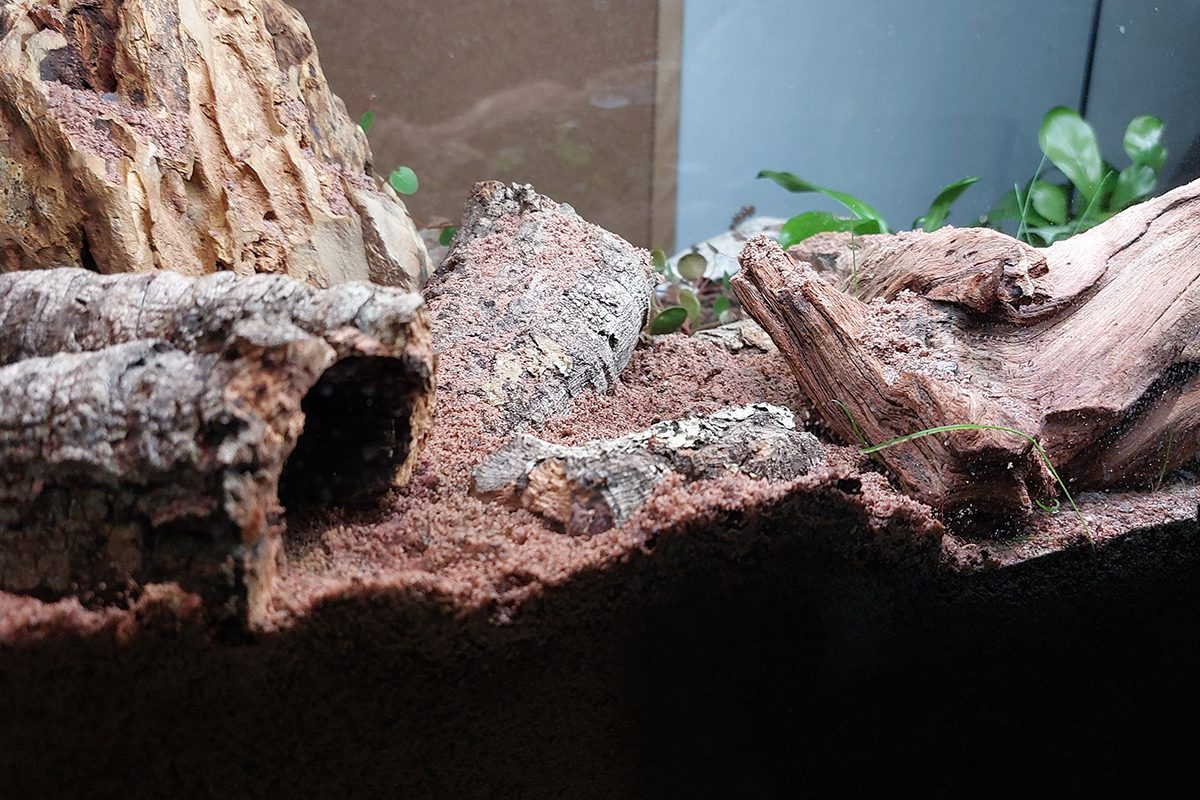
Bioactive Substrate Recipe for a Bearded Dragon Tank
Bearded dragons come from the dry interior of Australia, so their bioactive substrate needs to drain well while still holding together when they dig. The right blend of soil and sand gives you both qualities.
The Base Mix
Most keepers use a 60/40 ratio of organic topsoil to washed play sand. Organic topsoil forms the bulk of the mix and gives microorganisms and invertebrates a place to live. Choose a product with no added fertilizer, perlite, vermiculite, wetting agents, or pesticides, and check the bag carefully because many garden soils contain at least one of these. Washed play sand adds drainage and a natural texture, and it keeps the soil from packing down into a dense, soggy layer. When kept slightly damp, this blend stays firm enough for your dragon to dig and burrow, and it mimics the loose, sandy earth bearded dragons encounter in the wild.
Helpful Extras and Ingredients to Skip
A layer of dried leaf litter on top, such as oak or magnolia leaves, feeds your cleanup crew and adds cover. Some keepers also mix in a small amount of coconut fiber to help the soil hold slight moisture at the bottom. Skip calcium sand, crushed walnut shell, and aromatic woods like pine or cedar. These materials do not belong in a reptile enclosure.
How Much Substrate to Make
For a 4-by-2-foot enclosure, plan on roughly three to four cubic feet of mixed bioactive substrate to reach a depth of five inches. Mixing a little extra lets you top off low spots after the soil compacts during the first few weeks.
Bagged ingredients vary in moisture and texture from brand to brand, so mix a small test batch first. If the test bioactive substrate stays muddy for days, add a little more sand. If it crumbles apart and won’t hold a shape when lightly misted, add a bit more topsoil.
How Do You Build a Bioactive Substrate Step by Step?
Building the enclosure takes an afternoon of work, followed by a few weeks of patience. Gather everything before you start so you can mix, layer, and plant in one session.
Here is what most bearded dragon setups require:
- Organic topsoil, washed play sand in a 60/40 ratio
- A large tub or wheelbarrow for mixing
- A spray bottle or watering can
- Dried leaf litter and a few pieces of cork bark or sturdy branches
- Heavy rocks or slate for basking spots and hides
- Drought-tolerant plants and a starter culture of cleanup crew invertebrates
Mixing and Moistening the Soil
Combine the dry ingredients first, mixing the topsoil and sand thoroughly so the sand is evenly distributed. Next, add water a little at a time. The mix should clump when you squeeze it but should not drip. A slightly damp bioactive substrate packs more firmly, which helps your dragon dig stable tunnels.
Placing Rocks, Hides, and Layers
Set heavy rocks, basking platforms, and hides directly on the bottom of the enclosure before you add any soil. Bearded dragons are enthusiastic diggers, and decor sitting on top of loose soil can shift or collapse onto them. Once the hardscape is secure, pour in the mix and press it down to a depth of four to six inches. Many arid setups skip a separate drainage layer, though some keepers create a slightly moister zone in one back corner where isopods can retreat.
Letting the Enclosure Cure
Run the lights and heat on a normal schedule for two to four weeks before introducing your dragon. During this curing period, the soil settles, plants root in, and the cleanup crew begins to establish itself. Patience here leads to a more stable bioactive substrate later.
What Plants and Cleanup Crew Thrive in an Arid Bioactive Substrate?
The living components are what make a bioactive substrate truly bioactive. Choose species that tolerate heat, dry air, and a curious lizard walking over them.
Choosing a Cleanup Crew
Invertebrates break down shed skin, leftover food, and waste, which reduces odor and the need for full substrate changes. Popular options for desert enclosures include:
- Powder blue or powder orange isopods (Porcellionides pruinosus), which handle warmer, drier conditions
- Dairy cow isopods (Porcellio laevis), a hardy, fast-breeding species
- Darkling beetles, the adult form of mealworms, which tolerate arid soil well
- Springtails, which can survive in the damper corner of the tank
Your dragon will likely snack on some of the crew. That is normal, so start with a generous culture and give the invertebrates places to hide, like cork bark and leaf litter.
Selecting Desert-Friendly Plants
Sturdy succulents such as haworthia, hens and chicks, and spineless prickly pear hold up well under basking lights. Rinse store-bought plants thoroughly and remove the nursery soil, which may contain fertilizer or pesticide residue. Because bearded dragons often taste their surroundings, ask your veterinarian about the safety of any plant you are unsure of before you add it.
Place plants away from the hottest basking zone, and expect a few to get trampled or nibbled. Many keepers grow backup cuttings on a windowsill so they can replace damaged plants without disturbing the bioactive substrate. Planting in small clusters near hides also gives the cleanup crew shaded pockets where moisture lingers a little longer.
How Do You Maintain a Bioactive Substrate and Protect Your Dragon’s Health?
A well-established bioactive substrate needs far less work than paper towels or tile, but it still benefits from regular attention. Simple routines keep the ecosystem balanced for years.
Routine Upkeep
Remove large droppings and uneaten insects promptly, since a single dragon produces more waste than a small cleanup crew can process. Add fresh leaf litter every few weeks, and lightly water the moist corner when it dries out completely. Patches of white fuzzy mold often appear in new setups and usually fade as the cleanup crew grows. Plan to refresh or top off the soil every year or so as it breaks down and compacts.
Health Screening Before Move-In
Because parasites can persist in soil, schedule a wellness exam and fecal test for your bearded dragon before moving them into a new bioactive substrate. Starting with a parasite-free reptile protects the whole ecosystem.
Signs That Warrant a Vet Visit
Some dragons swallow small amounts of substrate while hunting. Contact an exotic animal veterinarian promptly if you notice:
- Straining without passing droppings, or no droppings for longer than usual
- A swollen or firm belly
- Loss of appetite or unusual lethargy
- Weakness or dragging in the back legs
These signs need a professional evaluation, so avoid trying to resolve them at home.
Bringing Your Bearded Dragon’s Desert Home to Life
A bioactive substrate rewards careful planning with a cleaner, more natural habitat that encourages your bearded dragon to dig, explore, and bask the way their wild relatives do. With the right soil blend, secure decor, a healthy cleanup crew, and steady maintenance, your enclosure can thrive for years.
If you have questions about husbandry, plant safety, or your dragon’s overall health, our team at Veterinary Center for Birds & Exotics is here to help. We provide dedicated care for reptiles, birds, and other exotic pets throughout Westchester County, NY. Call us at (914) 864-1414 to schedule a wellness visit or fecal screening before your bearded dragon settles into their new bioactive home.
Recent Posts
MBD (Metabolic Bone Disease) in Leopard Geckos
The early signs of MBD in leopard geckos include walking with the belly dragging on the ground,…
How to Take Care of a Gecko
Geckos are a favorite among first-time reptile owners. They are quiet, fairly compact, and full of personality,…
How Big Do Leopard Geckos Get?
Most adult leopard geckos grow 7 to 10 inches long from nose to tail tip and weigh…
Snake Mouth Rot: Signs, Causes, and Treatment
The most common signs of snake mouth rot are tiny red spots or bleeding along the gums,…
Do Snakes Lay Eggs?
Do snakes lay eggs? Yes, most snakes lay eggs, but not all of them. Roughly 70 percent…
About Veterinary Centers for Birds and Exotics
If you have been looking for specialized care for your bird or exotic pet, look no further! We have you covered. At our unique animal hospital, we provide care to birds and exotics ONLY—no cats and dogs! We are the only bird and exotic veterinary hospital with a full-time, board certified bird specialist, Dr. Laurie Hess. Dr. Hess, who, with her associates, are the only full-time veterinarians in Westchester County who are residency-trained in bird and exotic medicine and surgery. Call to schedule an appointment for your pet!