

Rat Tumor Removal: When to See an Exotic Animal Vet
When is rat tumor removal needed? Surgery is usually considered when a lump keeps growing, breaks open, interferes with movement, or causes discomfort, and an exotic animal veterinarian decides whether it is the right choice for each rat. Any new lump deserves an exam, because the size and the speed of growth can change quickly.
It often happens during a quiet moment. You are scratching your rat behind the ear while a movie plays, and your fingertip stops on something that was not there last week. A small, firm bump under the skin can send a worried owner straight to the internet to read about rat tumor removal. Lumps are common in pet rats, and many can be treated when they are found early. The exotic animal team at the Veterinary Center for Birds & Exotics in Bedford Hills, NY, examines rat lumps regularly and can explain what the options look like. Knowing what to watch for, and when to call, puts you in the best position to help your pet.
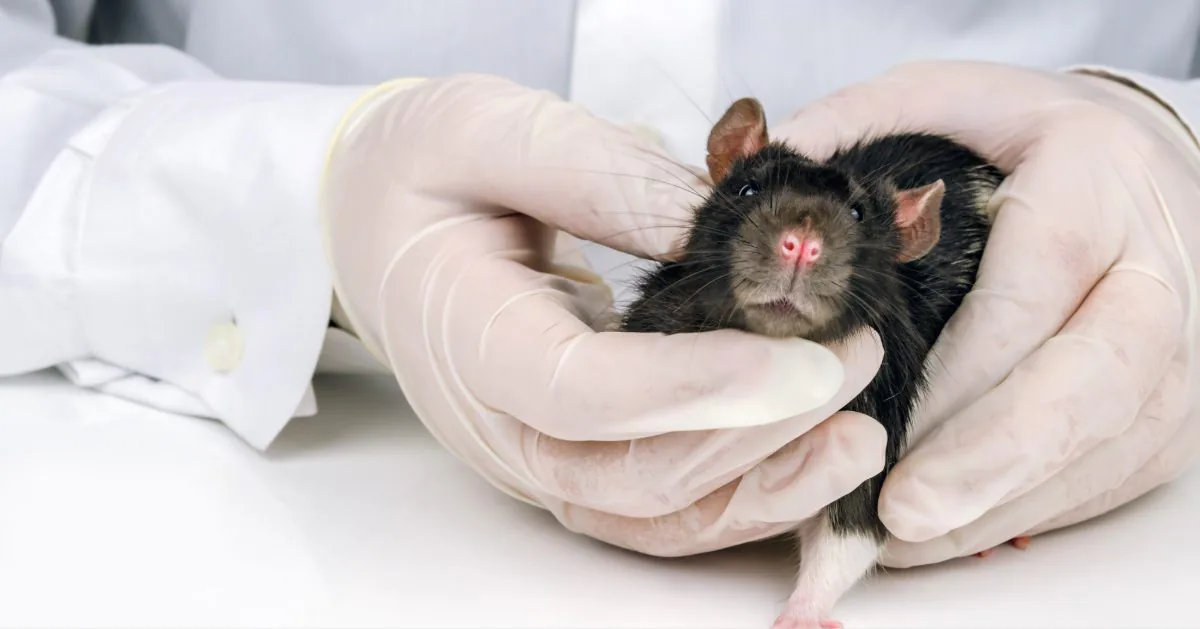
Rat Tumor Removal Surgery
Surgery is the most common way veterinarians address a growing lump, and understanding the process takes much of the mystery out of it.
What Happens Before the Procedure
Rat tumor removal begins with a thorough exam. The veterinarian will feel the lump, check its size and location, listen to the heart and lungs, and review your rat’s age and general health. Depending on the findings, the team may suggest bloodwork or imaging to look for other problems before anesthesia. Those steps help the surgeon plan carefully and keep the procedure as safe as possible for such a small patient.
The Surgery Itself
During rat tumor removal, the veterinarian places the rat under anesthesia, removes the mass along with a margin of surrounding tissue when possible, and closes the site. Many removed lumps are sent to a laboratory so a specialist can examine the tissue and identify what it was. That report gives the family useful information about what to expect in the months ahead. Surgery times vary with the size and position of the lump, and a lump caught while small is generally simpler to remove than a large one.
Why Exotic Experience Matters
Rats are tiny, and their bodies respond to anesthesia and temperature changes very differently from dogs and cats. A team that works with small mammals every day understands how to monitor breathing, keep body heat steady, and manage pain safely. Anyone considering rat tumor removal should choose a clinic comfortable with exotic species, because the right equipment and experience reduce risk. Your veterinarian will also explain how long a rat will rest at the clinic and what the first days afterward will look like.
Recovery and Follow-Up
After surgery, the veterinary team gives clear written instructions for care, and those instructions should be followed exactly. Never give human pain medicine or leftover prescriptions, because these can harm a rat. Follow-up visits let the veterinarian check the incision, review laboratory results, and watch for new lumps. Most rats return to their usual habits quickly once they feel comfortable, and many owners are surprised how soon their pet is back to climbing and begging for treats.
When Rat Tumor Removal Is Needed
Not every lump calls for an operation, yet certain changes make surgery a strong option to discuss.
Signs a Lump Needs Attention
Contact an exotic animal veterinarian if you notice any of these changes:
- A lump that grows noticeably over days or weeks
- Skin over the lump that is red, open, or bleeding
- Difficulty walking, climbing, or grooming because of the mass’s location
- Weight loss, a drop in appetite, or less interest in play
- Any new lump on a rat that already had one removed
Why Size and Speed Matter
A lump that doubles in a short time is a different problem from a stable bump that sits unchanged for months. Large masses can rub on the floor, catch on cage bars, and become sore or infected. They can also press on nearby tissue and make a rat uncomfortable. That is why veterinarians often recommend rat tumor removal sooner rather than later, since smaller surgical sites tend to mean shorter anesthesia and an easier recovery. Waiting to see what happens can quietly turn a simple procedure into a complicated one. Owners who ask when is rat tumor removal needed often hear the same answer: when the lump is changing, the sooner the better.
When Surgery May Not Be the Answer
Some rats are too frail, too old, or too ill to undergo anesthesia safely. In those cases the veterinarian may talk through comfort-focused options instead. The decision always rests on the individual rat, and an honest conversation about risk and benefit helps families choose with confidence. Whether rat tumor removal is right for your pet depends on health, age, and the type of lump, and only an exam can sort that out. Families who feel unsure can ask for a second conversation after the first exam, because a clear plan matters more than a fast one.
Why Pet Rats Develop Lumps
Rats are especially prone to growths, and knowing the common types helps owners recognize a problem early.
Mammary Tumors
Mammary tumors are tumors of the breast tissue, the same mammary glands that produce milk in female mammals, and they are among the most frequent tumors in pet rats. Rats carry this tissue across a wide area, from the chest down toward the groin, so a growth can appear in many places. They appear most often in females, though males can develop them too, since males have a small amount of breast tissue as well. They show up as soft or firm lumps under the skin along the chest, belly, or flank. Many are benign, but they can grow fast and become large, which is why mammary lumps account for so many cases of rat tumor removal. Hormones play a role, so ask your veterinarian about the health of your rat’s reproductive system.
Other Lumps and Look-Alikes
Not every bump is a tumor. Abscesses, cysts, and swollen glands can feel similar, and a pituitary or other internal tumor may show up as behavior changes rather than a visible lump. Only a veterinarian can tell these apart, often by examining a sample under a microscope. Treating every lump as a tumor, or assuming it is harmless, can lead to the wrong decision. A proper diagnosis also keeps families from planning rat tumor removal for a swelling that needs a different kind of care.
The Value of Early Exams
Rats age quickly, and lumps tend to appear in middle age and beyond. A veterinarian who knows your rat’s baseline can spot subtle changes at a wellness visit. A lump measured at the first exam gives the team something to compare against later. A pet rat in good condition handles an operation better than one that has already lost weight, which is another reason to move promptly. Early evaluation also gives owners more choices, including more time to plan for rat tumor removal if surgery turns out to be the best path.
Making the Decision With Your Veterinarian
Choosing surgery is a team effort, and good questions lead to good decisions.
Questions to Ask at the Visit
Bring a list so nothing gets lost in a busy appointment. These questions can start the conversation:
- What is this lump likely to be, and how can we confirm it?
- How safe is anesthesia for my rat’s age and health?
- What does recovery involve, and how long will it take?
- Will the tissue be sent for testing, and what will the results tell us?
- What is the plan if more lumps appear later?
Weighing Quality of Life
The goal of rat tumor removal is a comfortable, active life for as long as possible. Veterinarians weigh how much the lump bothers your rat against the risks of anesthesia and the rat’s overall condition. Families know their pets best, so share what you see at home, from changes in appetite to how your rat moves around the cage. Those observations help the veterinarian recommend the plan that fits your pet. Some families also ask about the cost of rat tumor removal, and the clinic can walk through an estimate before any decision is made.
Checking Your Rat at Home
You are the first line of detection. Run your hands gently over your rat’s body each week and record anything new. Taking a photo with a coin or ruler beside the lump gives the veterinary team a useful reference. Photos from different weeks show how fast a lump is changing, which helps the veterinarian decide whether rat tumor removal should happen now or whether careful monitoring makes sense.
A New Lump Is a Reason to Call, Not to Wait
A bump the size of a pea can feel like a small thing until it is a bump the size of a grape, and rats grow and age too quickly for owners to leave a lump alone. The simplest rule is to book an exam as soon as you find something new, bring your photos and notes, and let a veterinarian say whether rat tumor removal is needed. Families in Bedford Hills and the surrounding area can call the Veterinary Center for Birds & Exotics to talk through a lump, ask about surgery, or arrange a wellness exam for a rat of any age. Their exotic animal veterinarians treat small mammals daily, and an early visit often means a calmer, simpler path for you and a more comfortable future for the rat who curls up on your shoulder.
Recent Posts
What Do Pet Rabbits Eat? A Practical Feeding Guide
What do pet rabbits eat? Mostly hay, plus leafy greens and a few pellets. Learn portions and...
Why Do Rabbits Eat Their Poop? The Science Behind a Strange Habit
Why do rabbits eat their poop? Learn about cecotropes, normal vs. concerning droppings, and when to call...
Why Is My Rabbit Not Eating?
Why is my rabbit not eating? Learn common causes, warning signs, and when to call Veterinary Center...
Do Pet Rats Carry Diseases?
Do pet rats carry diseases? Yes, like nearly every animal, they can carry germs, and a small…
How Long Do Pet Rats Live?
Most pet rats live about two to three years, and a few reach four with excellent genetics…
About Veterinary Centers for Birds and Exotics
If you have been looking for specialized care for your bird or exotic pet, look no further! We have you covered. At our unique animal hospital, we provide care to birds and exotics ONLY—no cats and dogs! We are the only bird and exotic veterinary hospital with a full-time, board certified bird specialist, Dr. Laurie Hess. Dr. Hess, who, with her two associates, Dr. Amanda Marino and Dr. Amanda Dewey, are the only full-time veterinarians in Westchester County who are residency-trained in bird and exotic medicine and surgery. Call to schedule an appointment for your pet!