

What Causes Adrenal Disease in Ferrets? Risk Factors and Warning Signs
Veterinarians believe adrenal disease in ferrets develops from several overlapping factors rather than a single trigger, with early spay or neuter surgery, long hours of artificial light, and genetics named most often. Few diagnoses worry ferret owners more, because the first sign is usually subtle, such as a thinning patch of fur near the tail that looks like ordinary shedding. By the time the pattern spreads, many owners are already searching for answers late at night. At Veterinary Center for Birds & Exotics in Bedford Hills, NY, ferret families regularly ask about this condition, and the conversation tends to begin with curiosity about the glands themselves.
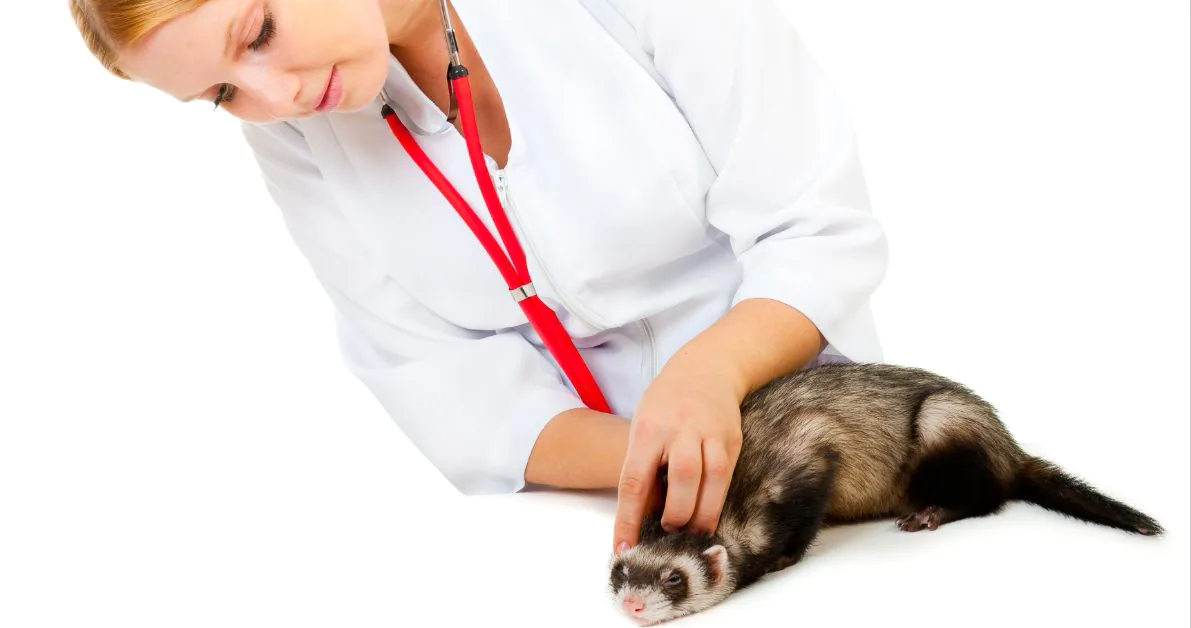
What Causes Adrenal Disease in Ferrets?
Researchers have not pinned the condition on one culprit, yet several leading theories help explain why so many pet ferrets develop it.
Early Spay and Neuter Surgery
One of the most widely discussed theories involves the timing of spay and neuter surgery. Ferrets in the pet trade are often altered at a very young age, and removing the reproductive organs changes the body’s hormone feedback loop. Without that feedback, the brain keeps sending strong signals that may overstimulate the adrenal glands over time. When owners ask, “What causes adrenal disease in ferrets?” this hormone-signal theory is usually the first one veterinarians mention.
Light Exposure and Natural Rhythms
Ferrets are seasonal animals, and the length of the day helps drive their hormone cycles. Homes that glow with lamp light and screen light late into the evening can blur those natural signals, and some experts suspect that constant extra light plays a role in the disease. Anyone exploring the causes of adrenal disease in ferrets will run into this theory sooner or later. Evidence is still building, but the idea is one reason veterinarians ask about a ferret’s sleeping area during a wellness visit.
Genetics, Age, and Other Suspects
Several additional factors appear on the list of possible contributors. Researchers continue to study:
- Genetics, since the disease seems to cluster in certain breeding lines
- Age, because most cases appear in middle-aged and older ferrets
- Diet and environment, though proof for either remains limited
Because no single factor explains every case, veterinarians avoid placing blame on owners. A ferret can develop the disease in a perfectly loving, well-managed home, and the question of “What causes adrenal disease in ferrets?” will likely keep scientists busy for years to come.
How Do the Adrenal Glands Work in Ferrets?
The adrenal glands are small organs located near the kidneys, yet the hormones they release influence nearly every part of a ferret’s body.
What Healthy Glands Do
Healthy adrenal glands produce several hormones, including cortisol, which helps the body respond to stress and manage energy, along with small amounts of sex hormones. These chemical messengers help regulate metabolism, coat growth, and overall balance. In a young, healthy ferret, the system hums along quietly in the background, and owners never think about it. Hormones also guide the seasonal changes that make ferrets so distinctive, including shifts in coat thickness and in breeding behavior, which is one reason glandular problems can show up so visibly on the outside of the body. Learning what these glands normally do makes it easier to understand why a problem there can ripple through so many systems at once.
When Hormone Production Goes Off Track
In adrenal disease, one or both glands enlarge and release far more sex hormone than the body needs. That detail separates the condition from Cushing’s disease in dogs, which centers mainly on cortisol. The enlarged tissue may be a benign overgrowth or a cancerous growth, and only a veterinary evaluation can sort out which one is involved. Understanding the causes adrenal disease in ferrets starts with this outcome, because the symptoms owners notice all trace back to that surplus of hormones.
Since the glands sit deep inside the abdomen, owners cannot see or feel the change directly, which is part of why the puzzle of what causes adrenal disease in ferrets has been so hard to solve. Instead, the body sends visible signals through fur, skin, and behavior, which brings us to the clues worth watching for.
Symptoms of Adrenal Gland Diseases in Ferrets
Signs of adrenal disease often creep in gradually, so many owners first notice a change in fur or behavior rather than an obvious illness.
Changes in Coat and Skin
Hair loss is the hallmark symptom. It usually begins at the base of the tail and along the rump, then spreads forward along the back and sides in a fairly symmetrical pattern. The coat may look thin and patchy, and the skin underneath can seem dry or itchy. Because ferrets shed seasonally, early thinning is easy to dismiss, but fur that fails to grow back deserves a closer look. Some ferrets also scratch more than usual, and the skin along the back may look flaky or irritated. Owners researching the causes adrenal disease in ferrets often discover that these coat changes were the very first clue they had overlooked for weeks or even months. Spotting the pattern early, even in hindsight, helps the veterinary team understand how the condition has progressed.
Other Signs Owners Notice
Hormone surges can show up in the body and in behavior. Veterinarians commonly hear about:
- A swollen vulva in spayed females
- Straining to urinate in males, which may point to an enlarged prostate
- Renewed mating behavior and a stronger musky odor
- Muscle thinning and weight loss in more advanced cases
Why Early Attention Matters
Knowing these signs is just as valuable as learning what causes adrenal disease in ferrets, since many symptoms overlap with other ferret conditions. Only a veterinary exam can confirm the cause, so changes in coat, behavior, or bathroom habits are worth a call to the clinic. Taking dated photos of fur changes gives the veterinary team a helpful timeline to review.
How Do Veterinarians Diagnose and Treat Adrenal Disease?
Your veterinarian combines a hands-on exam with testing to confirm adrenal disease and to map out the options that suit each ferret.
Diagnostic Tools
Even once an owner knows possible causes of adrenal disease in ferrets, confirming it in an individual pet takes careful detective work. No single test tells the whole story, so veterinarians build a picture from several pieces. Common steps include:
- A physical exam that includes feeling the abdomen and checking the coat and skin
- Blood work to look at overall health and rule out other conditions
- Abdominal ultrasound to view the size and shape of the glands
- Hormone testing in some cases to measure what the glands are releasing
Treatment Options
Treatment depends on the ferret’s age, overall health, and which gland or glands are affected. Options your veterinarian may discuss include surgery to remove the affected gland and hormone-regulating therapies that help manage symptoms. Each approach carries its own benefits and trade-offs, which is why this is a decision to make with an exotic animal veterinarian rather than at home. Families who understand the causes of adrenal disease in ferrets tend to feel more confident asking questions about those choices. Follow-up visits allow our veterinary team to see how a ferret is responding and to adjust the plan as needed, since a ferret’s needs can change over time. Open conversation about goals, comfort, and daily life helps everyone choose a path that feels right for the individual pet.
Partnering With an Exotics Team in Bedford Hills
Adrenal disease is common enough in pet ferrets that many owners meet it at some point, so learning what causes adrenal disease in ferrets is time well spent. Knowledge turns worry into a plan. Veterinary Center for Birds & Exotics welcomes questions about coat changes, hormone-related behavior, and every other part of ferret health. Families across Bedford Hills and the surrounding Westchester area can reach out to schedule an appointment whenever a ferret’s fur, energy, or habits seem different.
Regular wellness visits give our team a baseline for your ferret, so subtle changes stand out sooner. Early conversations often lead to the most options, and a team that knows ferrets can walk you through each step. Whether you are curious about what causes adrenal disease in ferrets or already noticing thin fur on your own pet, a friendly conversation with our team is a good place to start, and no question is too small. Call us at (914) 864-1414 today.
Recent Posts
What Do Pet Rabbits Eat? A Practical Feeding Guide
What do pet rabbits eat? Mostly hay, plus leafy greens and a few pellets. Learn portions and...
Why Do Rabbits Eat Their Poop? The Science Behind a Strange Habit
Why do rabbits eat their poop? Learn about cecotropes, normal vs. concerning droppings, and when to call...
Why Is My Rabbit Not Eating?
Why is my rabbit not eating? Learn common causes, warning signs, and when to call Veterinary Center...
Do Pet Rats Carry Diseases?
Do pet rats carry diseases? Yes, like nearly every animal, they can carry germs, and a small…
How Long Do Pet Rats Live?
Most pet rats live about two to three years, and a few reach four with excellent genetics…
About Veterinary Centers for Birds and Exotics
If you have been looking for specialized care for your bird or exotic pet, look no further! We have you covered. At our unique animal hospital, we provide care to birds and exotics ONLY—no cats and dogs! We are the only bird and exotic veterinary hospital with a full-time, board certified bird specialist, Dr. Laurie Hess. Dr. Hess, who, with her two associates, Dr. Amanda Marino and Dr. Amanda Dewey, are the only full-time veterinarians in Westchester County who are residency-trained in bird and exotic medicine and surgery. Call to schedule an appointment for your pet!