

Mouth Rot in Bearded Dragons: Causes and Treatment
Mouth rot in bearded dragons is a bacterial infection of the gums and mouth tissue, usually triggered by a mouth injury, a weakened immune system, or poor enclosure conditions. Cool temperatures, dirty habitats, stress, and nutritional gaps make it easier for bacteria that normally live in the mouth to take hold and cause painful inflammation.
Veterinarians call this condition infectious stomatitis, and it can range from mild redness along the gumline to a serious infection that reaches the jawbone. Because dragons tend to hide discomfort, owners often notice it only after their pet stops eating or develops visible swelling. At Veterinary Center for Birds & Exotics, we help Westchester County reptile owners catch mouth rot early, when treatment is simpler and recovery tends to be faster. This blog covers what causes mouth rot in bearded dragons, how to spot the early signs, what veterinary treatment involves, and the day-to-day habits that help lower the risk. It is meant to help you recognize a problem and know when to call, not to replace a hands-on exam.
What Causes Mouth Rot in Bearded Dragons?
Mouth rot rarely has a single cause. In most cases, a combination of mouth damage and a weakened defense system gives bacteria the opening they need.
Injuries to the Mouth
Small cuts and scrapes inside the mouth are a frequent starting point. A bearded dragon may injure its gums by biting at glass walls, chewing on rough decor, catching hard-shelled insects, or rubbing its snout against the enclosure. Dragons that repeatedly try to escape or chase their reflection are especially prone to these injuries. Once the tissue is broken, bacteria can move in quickly.
A Weakened Immune System
Healthy dragons usually fight off the bacteria in their mouths without trouble. When the immune system slows down, that balance tips. Common reasons include:
- Basking temperatures that run too cool for proper immune function
- Missing or outdated UVB lighting
- Diets low in vitamin A, calcium, or overall variety
- Ongoing stress from overcrowding, frequent handling, or a busy room
- Other illnesses, such as parasites or respiratory infections
Unsanitary Enclosures
Waste, leftover food, and soiled water dishes allow bacteria to multiply. A dragon that eats or drinks in a dirty environment has more exposure to harmful organisms, which raises the chance that a minor mouth injury becomes infected.
Humidity plays a role as well. Bearded dragons come from dry climates, and an enclosure that stays damp from heavy misting or a poorly ventilated tank can encourage bacterial growth. Excess moisture also contributes to respiratory problems, which can further strain your dragon’s defenses.
Dental and Jaw Problems
Bearded dragons have teeth fused to the jawbone, and plaque or tartar can build up along the gumline over time. Dental disease and conditions that weaken the jaw, such as metabolic bone disease, can also set the stage for mouth rot in bearded dragons.
Signs of Mouth Rot to Watch For
Early detection makes a real difference. Mouth rot in bearded dragons usually starts with subtle changes that become easier to see as the infection spreads.
Early Symptoms
In the beginning, you may notice small red spots or pinpoint bleeding along the gums. Your dragon might rub its mouth on surfaces, hesitate before biting into food, or eat noticeably less. Some dragons hold their mouths slightly open or show extra saliva.
Advanced Symptoms
As the infection progresses, look for:
- Swelling along the jaw or lips that changes the shape of the face
- Thick, yellowish, or cottage cheese-like material in the mouth
- Discolored, receding, or bleeding gums
- Loose or missing teeth
- A foul odor coming from the mouth
- Discharge around the mouth or nose
When It Becomes Urgent
Untreated mouth rot can spread into the jawbone, the respiratory tract, or the bloodstream. Facial swelling, refusal to eat, open-mouth breathing, or weakness all call for a same-day veterinary visit.
Conditions That Look Similar
Not every mouth change is infection. Bearded dragons naturally have pale gums and sometimes show yellowish tartar at the tooth line. A veterinarian can tell the difference between normal dental buildup, a minor injury, and true mouth rot in bearded dragons.
How Do Veterinarians Treat Mouth Rot in Bearded Dragons?
Treatment starts with a thorough exam to measure how far the infection has spread. Your veterinarian will then build a plan that clears the infection and addresses what allowed it to start.
Examination and Testing
Your veterinarian will gently open your dragon’s mouth to inspect the gums, teeth, and tongue. They may collect a swab for culture to identify the specific bacteria involved, which helps them choose the most effective medication. X-rays can show whether the infection has reached the jawbone, and bloodwork may be recommended for dragons that seem weak or have stopped eating.
In-Clinic Care
Mild cases of mouth rot in bearded dragons often respond to professional cleaning of the affected area combined with prescription medication. More advanced cases may require sedation so the veterinarian can remove dead tissue and debris safely. Dragons that are dehydrated or not eating may also receive fluids and nutritional support in the clinic.
Follow-Up Visits
Recheck appointments let your veterinarian confirm that the infection is clearing and adjust the plan if needed. Recovery time depends on severity, ranging from a couple of weeks for mild cases to longer for infections that reached the bone.
Why Over-the-Counter Products Are Not Enough
Online sources sometimes suggest rinses or ointments for mouth rot. These products cannot reach deeper infection, and using the wrong one may irritate the tissue or delay proper care. Leave cleaning and medication decisions to your exotic veterinarian.
Helpful Details to Bring to the Appointment
Sharing information about your dragon’s habitat helps your veterinarian understand why mouth rot in bearded dragons developed in the first place. Before the visit, gather:
- Basking and cool-side temperature readings
- The brand and installation date of your UVB bulb
- A list of the foods, insects, and supplements you offer
- Photos of the enclosure, including decor and substrate
How Can You Help Prevent Mouth Rot?
Most cases of mouth rot in bearded dragons can be avoided with solid husbandry and attentive care. Prevention centers on supporting the immune system and limiting mouth injuries.
Habitat Habits That Help
Keep a reliable basking hot spot and a cooler zone so your dragon can regulate its body temperature. Replace UVB bulbs on schedule, since their output fades before the light looks dim. Spot clean waste daily, wash food and water dishes regularly, and remove leftover insects promptly.
Reducing Injury Risk
If your dragon frequently paws or bites at the glass, try covering the lower portion of the enclosure walls to reduce reflections and visual stress. Choose smooth decor without sharp edges, and offer feeder insects sized no larger than the space between your dragon’s eyes.
Regular Mouth Checks and Wellness Visits
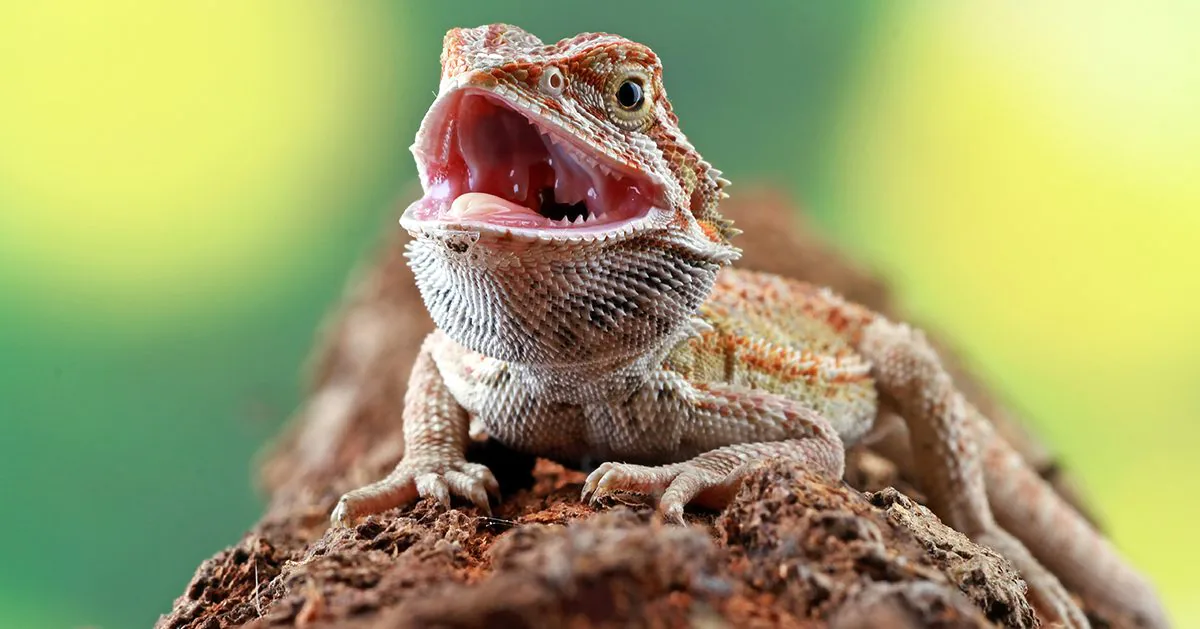
Take a quick look at your dragon’s mouth when it yawns or opens wide during basking. Noting any redness, swelling, or debris early gives your veterinarian more options. Annual wellness exams let your exotic vet check the teeth and gums, review your setup, and catch dental problems before they turn into infection.
Older dragons and those recovering from other illnesses benefit from closer monitoring, since their immune systems may need extra support. Your veterinarian can suggest a checkup schedule that fits your dragon’s age and health history.
Protecting Your Bearded Dragon’s Smile
Mouth rot in bearded dragons is uncomfortable and can become serious, but it responds well to prompt veterinary care. Knowing the causes and early signs puts you in a strong position to act before the infection spreads.
If you notice redness, swelling, or discharge around your dragon’s mouth, our team at Veterinary Center for Birds & Exotics is ready to help. We provide skilled reptile care services for bearded dragons and other exotic pets throughout Westchester County, NY. Call us at (914) 864-1414 to schedule an exam and get your dragon comfortable and eating again.
Recent Posts
MBD (Metabolic Bone Disease) in Leopard Geckos
The early signs of MBD in leopard geckos include walking with the belly dragging on the ground,…
How to Take Care of a Gecko
Geckos are a favorite among first-time reptile owners. They are quiet, fairly compact, and full of personality,…
How Big Do Leopard Geckos Get?
Most adult leopard geckos grow 7 to 10 inches long from nose to tail tip and weigh…
Snake Mouth Rot: Signs, Causes, and Treatment
The most common signs of snake mouth rot are tiny red spots or bleeding along the gums,…
Do Snakes Lay Eggs?
Do snakes lay eggs? Yes, most snakes lay eggs, but not all of them. Roughly 70 percent…
About Veterinary Centers for Birds and Exotics
If you have been looking for specialized care for your bird or exotic pet, look no further! We have you covered. At our unique animal hospital, we provide care to birds and exotics ONLY—no cats and dogs! We are the only bird and exotic veterinary hospital with a full-time, board certified bird specialist, Dr. Laurie Hess. Dr. Hess, who, with her associates, are the only full-time veterinarians in Westchester County who are residency-trained in bird and exotic medicine and surgery. Call to schedule an appointment for your pet!