

What Do Pet Turtles Eat?
Most pet aquatic turtles, such as red-eared sliders, eat a mix of commercial turtle pellets, leafy greens, aquatic plants, and protein foods such as insects, worms, and small feeder fish. The right balance depends on the species and age, since young turtles typically need more protein while many adults shift toward a diet with more vegetables and plants. Tortoises, which live on land, follow a different plan: they eat mostly plants and need little to no animal protein.
Feeding a turtle seems simple at first glance. Many new owners pick up a container of pellets and assume the job is done. In reality, a single food rarely covers everything a turtle needs over a lifespan that can stretch across decades. If you have been wondering, “What do pet turtles eat?” this guide breaks down safe foods, how diets change with age and species, which foods to avoid, and the signs that your turtle’s menu may need a professional review. Because the word “turtle” is often used loosely, it also explains how aquatic turtles and tortoises differ, since their diets are not interchangeable. Westchester County owners can use it as a starting point before discussing a feeding plan with their veterinarian.
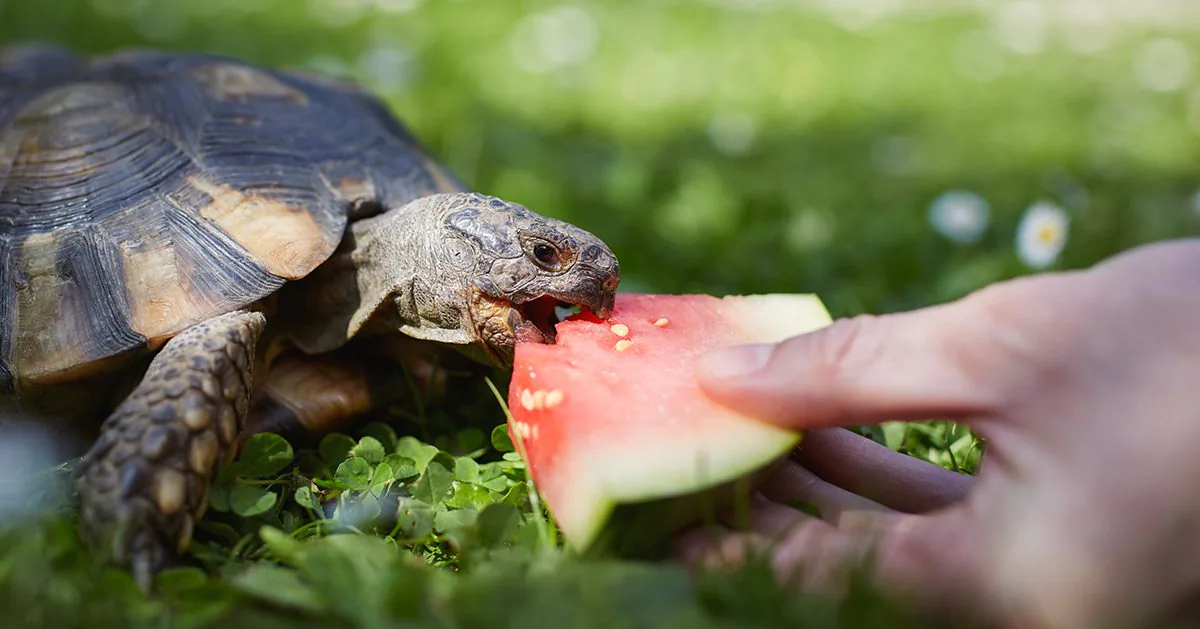
Turtle or Tortoise? Why the Difference Matters for Feeding
Scientifically, tortoises are a type of turtle, which is why the two words get mixed up. In everyday pet care, though, they usually describe animals with very different needs:
- Aquatic and semi-aquatic turtles, such as red-eared sliders, painted turtles, musk turtles, mud turtles, and map turtles, spend much of their time in water. They eat a mix of animal and plant foods.
- Tortoises, such as Russian tortoises, live entirely on land. They are plant-eaters.
The advice below about pellets, protein foods, and feeding in water applies to aquatic turtles. Tortoise needs are covered under their own heading. Not sure which type you have? Your veterinarian can identify your pet’s species and recommend a diet to match.
What Can Pet Turtles Eat?
A healthy diet for aquatic turtles, the most common pet turtles, combines several food groups. Variety matters because each category supplies different nutrients, and rotating foods keeps turtles interested at mealtime.
Commercial Turtle Pellets
High-quality pellets formulated for aquatic turtles provide a reliable base of vitamins, minerals, and protein. Choose a brand made specifically for turtles rather than fish flakes or generic reptile food. A turtle on the container doesn’t make a pellet a quality one, so it pays to read the label. Look for a complete diet formulated for aquatic turtles, ideally by life stage (hatchling, juvenile, or adult), with added vitamins and minerals and recognizable ingredients listed first. Be cautious of vague “turtle food” labels, heavy fillers, and artificial colors. Our veterinarians commonly recommend Mazuri Aquatic Turtle Diet. Ask us if you’d like help choosing the right formula for your turtle’s age and species.
Pellets work best as one part of the diet rather than the whole menu. Store them in a cool, dry place and replace opened containers regularly, since vitamins break down over time and stale pellets lose much of their nutritional value.
Leafy Greens and Vegetables
Both aquatic turtles and tortoises eat leafy greens, and for tortoises they are a dietary staple. Good choices include:
- Romaine lettuce, red leaf lettuce, and green leaf lettuce
- Collard greens, dandelion greens, and mustard greens
- Turnip greens and endive
- Shredded carrots and squash in small amounts
- Aquatic plants such as duckweed, water lettuce, and anacharis (for aquatic turtles)
Floating plants like duckweed give aquatic turtles a natural way to graze throughout the day.
Protein Foods
Protein sources for aquatic turtles include earthworms, crickets, mealworms, dried or freeze-dried shrimp, and appropriate feeder fish. These foods are meant for aquatic turtles; tortoises do not need them. Offer them sparingly, though. Some turtles will start refusing their pellets in favor of these tasty but less nutritious options, and freeze-dried shrimp is one of the most common culprits. When protein foods are fed too freely, they quickly become the main diet instead of a supplement. Buy feeder insects and fish from reputable suppliers rather than collecting them outdoors, since wild-caught animals can carry parasites or pesticide residue.
Feeding Tips for Aquatic Turtles
Aquatic species need water to swallow, so they eat best when food is placed directly in the tank. Some owners feed in a separate tub of water to keep the main enclosure cleaner. Remove uneaten food after a short feeding session so it does not spoil in the water.
How Do Turtle Diets Change by Species and Age?
Not every turtle eats the same way, and tortoises eat differently still. What pet turtles eat varies with their natural habitat, adult size, and stage of life.
Juvenile Versus Adult Aquatic Turtles
Hatchlings and young aquatic turtles grow quickly and generally need more protein than adults. As many aquatic species mature, their diet naturally shifts toward plants. Adult red-eared sliders, for example, often eat mostly greens and aquatic vegetation, with protein making up a smaller share. Young aquatic turtles also tend to eat more often than adults. Tortoises are the exception: they are plant-eaters from hatchling to adult, so they do not follow this shift. Your veterinarian can recommend a feeding schedule and portion size for your turtle’s age and species. Understanding what pet turtles eat at each life stage helps prevent problems like shell pyramiding and obesity.
Mostly Carnivorous Aquatic Turtles
Musk turtles, mud turtles, and map turtles lean toward animal-based foods. In the wild, they eat snails, insects, crustaceans, and small fish. In captivity, these turtles often do well on quality pellets combined with insects, worms, and occasional shellfish, though many will still nibble aquatic plants.
Tortoises
Tortoises, such as Russian tortoises, are land-dwelling herbivores. Unlike aquatic turtles, they thrive on weeds, grasses, and leafy greens and generally should not receive the protein-rich foods offered to aquatic turtles, including insects, worms, and dog or cat food. If you keep a tortoise, ask your veterinarian for a species-specific diet plan, since needs can differ from one species to the next.
Which Foods Should Turtles Avoid?
Some foods that seem harmless can cause health problems over time. Knowing what to leave off the menu matters as much as knowing what pet turtles eat.
Avoid offering your turtle or tortoise:
- Iceberg lettuce, which offers very little nutrition
- Large amounts of spinach, chard, or other greens high in oxalates
- Dairy products, which turtles cannot digest
- Processed human foods, bread, or seasoned leftovers
- Raw hamburger, deli meats, or other fatty meats
- Dog or cat food, which contains too much fat and protein
- Avocado and rhubarb, which can be toxic
- Insects, fish, or plants collected from the wild
- Insects, worms, or other animal protein for tortoises, which are plant-eaters
The Problem With Overfeeding
Turtles often act hungry even when they have eaten enough, and many owners respond by offering more food. Overfeeding can lead to obesity, fatty liver disease, and abnormal shell growth. For aquatic turtles, it also adds waste to the water, which strains your filter and can trigger skin and shell infections.
Treats deserve the same caution. Waxworms, fruit, and other favorites are fine in small amounts, but turtles fed treats too often may start refusing their regular, healthier foods.
Why Supplements Need Guidance
Calcium and vitamins play an important role in turtle health, but too much can be as harmful as too little. Some owners add a cuttlebone to the tank as a calcium source, while others use powdered supplements. Talk with your veterinarian before adding any supplement so the plan fits your pet’s diet and lighting setup.
How Can You Tell If Your Turtle’s Diet Needs a Change?
Nutritional problems usually develop slowly, so subtle changes in your turtle’s appearance or behavior can offer early clues. Catching them early makes correction much easier.
Warning Signs of Poor Nutrition
Watch for swollen or puffy eyelids, which are often linked to vitamin A deficiency. A soft, flexible, or flaking shell may point to calcium problems or inadequate UVB lighting. Raised, pyramid-shaped scutes can indicate overly rapid growth from too much protein, a common issue when aquatic turtles eat a protein-heavy diet into adulthood or when tortoises are fed animal protein. Weight loss, lethargy, or a sudden refusal to eat also deserve attention.
Lighting and Digestion
Diet and habitat work together. Even the best menu falls short if your turtle or tortoise lacks proper heat and UVB, since they need warmth to digest food and UVB to process calcium. If your pet eats well but still shows shell or bone changes, your setup may be part of the problem.
Getting a Professional Diet Review
An exotic veterinarian can evaluate your turtle’s body condition, shell, and overall health, then tailor a diet to its species and age. Bring a list of the foods, treats, and supplements you currently offer, along with photos of your enclosure, so your veterinarian can see the full picture. Annual wellness exams are a great time to revisit the feeding plan as your turtle grows.
Building a Better Menu for Your Turtle or Tortoise
So, what do pet turtles eat? It depends on the type. A well-rounded diet of quality pellets, leafy greens, aquatic plants, and appropriate protein foods, adjusted for species and age, gives most aquatic turtles a strong foundation for a long, healthy life. Tortoises, on the other hand, thrive on a plant-based menu.
If you still have questions about what pet turtles eat, or you want help building a diet for your specific species, our team at Veterinary Center for Birds & Exotics is ready to help. We provide expert reptile, turtle, and tortoise care for families throughout Westchester County, NY. Call us at (914) 864-1414 to schedule a wellness exam and nutrition consultation for your turtle or tortoise.
Recent Posts
MBD (Metabolic Bone Disease) in Leopard Geckos
The early signs of MBD in leopard geckos include walking with the belly dragging on the ground,…
How to Take Care of a Gecko
Geckos are a favorite among first-time reptile owners. They are quiet, fairly compact, and full of personality,…
How Big Do Leopard Geckos Get?
Most adult leopard geckos grow 7 to 10 inches long from nose to tail tip and weigh…
Snake Mouth Rot: Signs, Causes, and Treatment
The most common signs of snake mouth rot are tiny red spots or bleeding along the gums,…
Do Snakes Lay Eggs?
Do snakes lay eggs? Yes, most snakes lay eggs, but not all of them. Roughly 70 percent…
About Veterinary Centers for Birds and Exotics
If you have been looking for specialized care for your bird or exotic pet, look no further! We have you covered. At our unique animal hospital, we provide care to birds and exotics ONLY—no cats and dogs! We are the only bird and exotic veterinary hospital with a full-time, board certified bird specialist, Dr. Laurie Hess. Dr. Hess, who, with her associates, are the only full-time veterinarians in Westchester County who are residency-trained in bird and exotic medicine and surgery. Call to schedule an appointment for your pet!