

What Fish Can Live with Bettas?
What fish can live with bettas? Peaceful, small species that stay out of a betta’s way, such as Corydoras catfish, kuhli loaches, and ember tetras, tend to make the best tank mates, but only when the aquarium is roomy and the individual betta is fairly calm. Some bettas ignore their neighbors completely, while others treat every swimmer as an intruder. That unpredictability is why the question comes up so often among new fish owners, and why a hasty purchase can turn costly. Veterinary Center for Birds & Exotics in Bedford Hills, NY, is experienced in handling betta fish and recommending potential tank-mates. A peaceful community tank is realistic for many bettas when the choices are thoughtful, and a little planning before the pet store trip can spare everyone a rough first week.
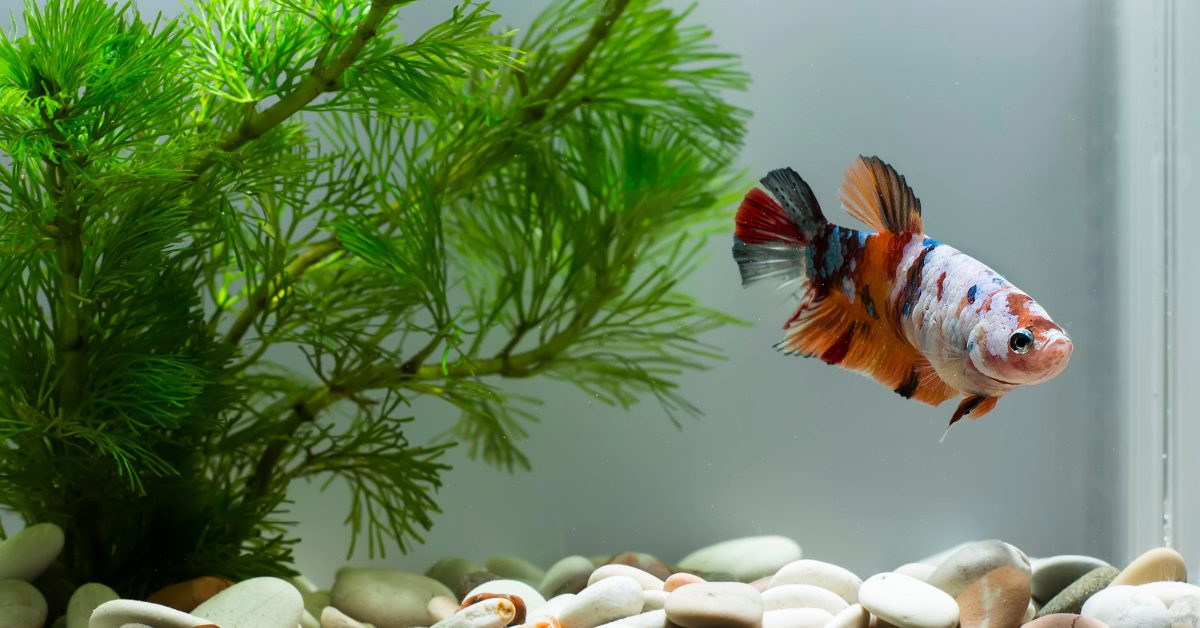
Can Betta Fish Live with Other Fish?
Yes, some bettas can share a tank, but the outcome depends on the fish, the setup, and the company you choose.
Why Bettas Have a Fighting Reputation
Bettas earned the nickname “Siamese fighting fish” through generations of breeding for territorial behavior. Males in particular defend their space and flare at anything that looks like a rival. Long, flowing fins and bright colors can set off that response, which is why another male betta is the worst possible roommate. Understanding this instinct is the first step toward working out what fish can live with bettas without constant conflict.
Temperament Varies From Fish to Fish
Two bettas from the same shop can behave very differently. One may patrol the glass all day, and another may drift among the plants and barely notice movement elsewhere. Females are often described as milder than males, though plenty of females are feisty too. How your betta reacts to its own reflection can offer a loose hint about its personality, but it never guarantees how it will treat a newcomer.
When Going Solo Is the Better Plan
A single betta in a clean, well-maintained tank is a perfectly good arrangement. Fewer fish mean less waste in the water and fewer chances for conflict. A betta that is already stressed or recovering from an injury is rarely a good candidate for company. Before deciding which fish to pair with bettas in your own home, it is fair to ask whether your betta needs any companions at all.
Which Tank Mates Tend to Get Along with a Betta?
The most successful answers to “What fish can live with bettas?” share three traits: the companions are calm, small, and uninterested in a betta’s fins.
Bottom Dwellers That Mind Their Own Business
Small Corydoras catfish are a popular choice because they spend their time near the substrate, well away from a betta’s usual territory near the surface. They are social animals, so a lone cory is usually a stressed one. Kuhli loaches offer another low-level option, though they are shy and spend much of the day hidden.
Gentle Schooling Fish Worth Considering
These small species are commonly paired with bettas in roomy tanks:
- Ember tetras, whose tiny size and orange tones rarely resemble a rival’s fins
- Harlequin rasboras, which cruise the middle of the tank at a relaxed pace
- Chili rasboras, which are extremely small and can be either unnoticed or an appealing snack
- Otocinclus catfish, which graze algae near plants and glass but need a mature tank
All of these fish feel safest in a group of their own kind, usually six or more. Because compatible fish depends so heavily on personality, even a strong species match deserves close observation in the first weeks.
Snails and Shrimp: A Calculated Risk
No answer to “What fish can live with bettas?” is complete without mentioning invertebrates, though caution applies here. Nerite snails often coexist with bettas thanks to their hard shells. Shrimp are less predictable, since some bettas ignore them and others hunt them down. Treat any invertebrate as an experiment, not a promise, and keep a backup plan ready in case your betta decides otherwise.
Which Fish Should Never Share a Tank with a Betta?
When exploring which fish can live with bettas, it’s important to also cover the species that should stay out of the tank, since certain fish are almost guaranteed to cause trouble.
Fin Nippers and Flashy Lookalikes
Tiger barbs and other nippy species can shred a betta’s long fins in a matter of days. At the opposite end, brightly colored, long-finned fish such as male guppies may resemble rival bettas and provoke attacks. Flashy tails and fast nibblers belong at the top of the no list.
Species With Mismatched Needs
Some fish are not aggressive so much as incompatible. These are widely considered poor matches, each for its own reason:
- Goldfish, which thrive in cooler water than bettas and produce heavy waste loads
- Cichlids and other large predators, which can injure a betta or treat it as food
- Gouramis, which belong to the same family and often view bettas as territorial rivals
- Fast, active fish such as zebra danios, which can keep a betta in constant motion and constant stress
How Do You Set Up a Shared Tank Without Starting a Fight?
Even well-matched fish can clash when the tank itself sets them up for failure.
Space, Plants, and Hiding Spots
Many aquarium keepers consider about 20 gallons a sensible minimum for a betta community, and bigger is better. Dense live or silk plants break up sight lines, while caves give shy fish a retreat. Betta tanks also need steady warm water and gentle filtration, since strong currents tire out long-finned swimmers. A snug lid is also wise, because bettas are surprisingly capable jumpers. When planning what fish can live with bettas, tank size and layout matter nearly as much as the species list.
Introducing New Fish Gradually
Adding companions in small groups, rather than all at once, gives the betta time to adjust. Many fish keepers also hold newcomers in a separate tank for several weeks before introduction to avoid bringing in disease. Your veterinarian can talk through quarantine practices that fit your particular setup. Patience matters here, because how quickly the group settles over the first month often decides whether a pairing lasts.
Early Warning Signs of a Bad Match
Watch closely during the first days and weeks for red flags like these:
- Ragged or torn fins on any fish in the tank
- A tank mate that hides constantly or refuses food
- A betta that flares repeatedly at the same neighbor
- Fish pinned into corners or chased around plants
If any fish looks injured or unwell, contact your veterinarian rather than waiting to see whether things improve. A short written log of who chased whom, and when, gives your veterinarian useful detail to work with.
Bring Your Tank Plans to Bedford Hills
Planning a community tank is much easier with a professional in your corner. Veterinary Center for Birds & Exotics welcomes fish alongside its feathered and furry patients, so owners can bring questions about housing, behavior, and health to a team that handles these animals every day. If you are still deciding which fish should live with bettas in your household, we are glad to talk through your options. Whether your betta is already sharing space with new neighbors or you are still sketching out a plan, give us a call at (914) 864-1414! We can examine a fish that seems off, answer your questions, and weigh in on what fish can live with bettas given your tank size and your own betta’s temperament. The goal is a tank that works for every resident.
Recent Posts
Ich Fish Disease: What Causes It and How to Treat It
Ich fish disease is a contagious parasitic infection that dusts a fish’s skin, fins, and gills with…
Dropsy in Fish: Signs, Causes, and Treatment
Dropsy in fish is a condition in which fluid collects inside the body, swelling the belly and…
Why Special Species Require Specialized Veterinary Care
In human medicine, special medical problems typically require specialized medical care. For example, if you have a…
Tips for Winterizing Your Reptile
By Dr. Laurie Hess When cold weather comes, especially in areas that experience significant climate changes as…
Did You Know That Turtles Shed?
People are sometimes surprised by this question but, like other reptiles, turtles DO shed! While snakes regularly…
About Veterinary Centers for Birds and Exotics
If you have been looking for specialized care for your bird or exotic pet, look no further! We have you covered. At our unique animal hospital, we provide care to birds and exotics ONLY—no cats and dogs! We are the only bird and exotic veterinary hospital with a full-time, board certified bird specialist, Dr. Laurie Hess. Dr. Hess, who, with her two associates, Dr. Amanda Marino and Dr. Amanda Dewey, are the only full-time veterinarians in Westchester County who are residency-trained in bird and exotic medicine and surgery. Call to schedule an appointment for your pet!