

When Do Birds Molt? What Bedford Hills Bird Owners Should Expect
Birds molt once or twice a year, and wild species usually do it in late summer or early fall, after nesting ends. So when do birds molt if they live in your home instead of a backyard? Pet birds follow that seasonal pull loosely, but lighting, diet, and species can move the calendar around. A cockatiel shedding feathers across the sofa can be alarming the first time you see it, and it is usually a sign of healthy renewal. The Veterinary Center for Birds & Exotics in Bedford Hills, NY, put together this guide to explain how often molts happen, which months to watch, what the process looks like day to day, and which changes are worth an expert’s attention.
How Often Do Birds Molt?
Most birds replace their plumage on a yearly cycle, though the details vary quite a bit from one bird to the next.
One Big Molt, or Two Smaller Ones
Many parrots, finches, and canaries go through a single main molt each year. Others split the work into a light spring molt and a heavier autumn one. Owners who ask when do birds molt and how often should know that a yearly pattern is the usual starting point, with plenty of healthy exceptions.
Size and Species Make a Difference
Smaller birds such as budgies tend to drop feathers in a noticeable burst. Large macaws and cockatoos often replace feathers so gradually that the molt barely registers. Because each species carries its own habits, your bird’s history tells you more than a general rule can.
A Young Bird’s First Round
Juveniles typically begin their first molt a few months after leaving the nest, trading soft baby feathers for adult plumage. Colors may deepen and tails may lengthen, which can make a young bird look like a different animal for a while.
Full Molts and Partial Molts
A full molt renews nearly every feather, while a partial one touches only part of the body, often the head and chest. Both are normal. Birds also drop single feathers throughout the year, so one stray feather on the cage floor does not mean the main event has started.
Which Months Are Molting Season for Birds?
Seasons set the rhythm for wild birds, and they still tug at pet birds even when the thermostat stays steady.
What Happens Outdoors in New York
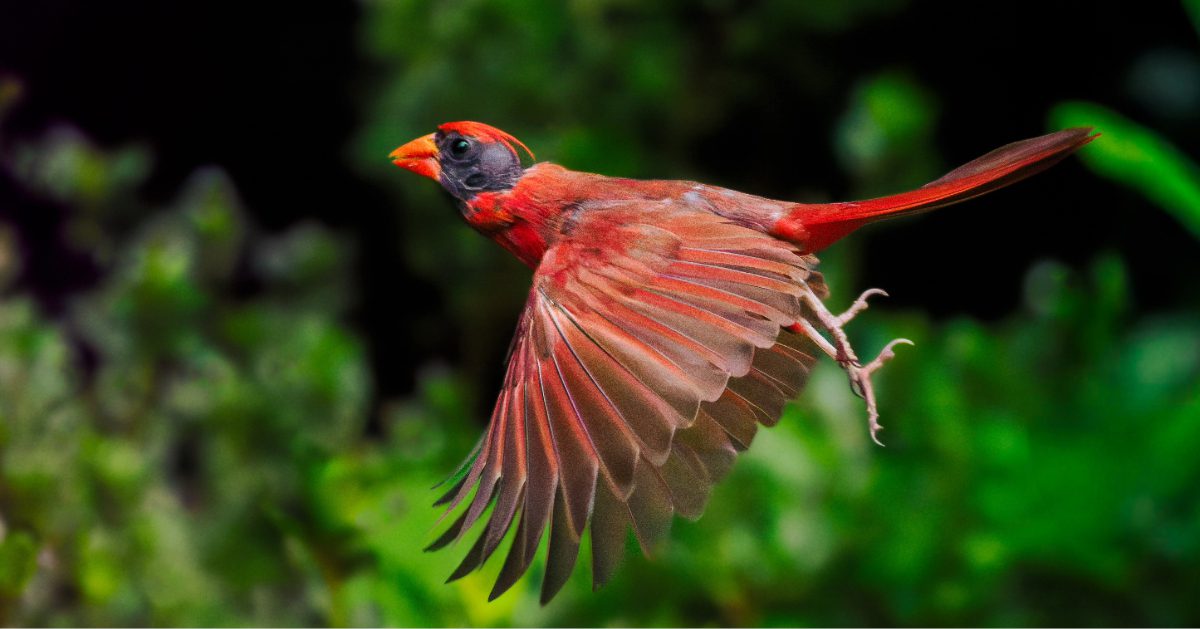
Wild birds in the Northeast finish nesting and then devote their energy to new feathers. Late summer through early fall is the heaviest stretch, which prepares them for migration or winter. If you wonder when do birds molt in your own yard, watch the feeders in August and September, when cardinals and blue jays can look scruffy or even partly bald for a few weeks.
What Happens Inside Your Home
Pet birds receive mixed signals. Lamps, steady room temperatures, and constant food supplies blur the seasonal cues that wild birds rely on. As a result, many pet birds molt around the same months as their outdoor cousins, while others molt off-schedule or shed lightly all year. When do birds molt indoors? The honest answer is that it depends on the individual.
Factors That Shift the Timeline
Several influences can move a molt earlier or later:
- Hours of daylight, including how long lights stay on in the evening
- Species and native habitat, since tropical birds follow looser seasonal patterns
- Age and breeding condition
- Diet quality and overall health
- Stress from travel, new pets, or household changes
Over a few years of watching, you will start to see your own bird’s personal calendar emerge.
What Does a Molt Look Like From Week to Week?
A typical molt unfolds over weeks or months, with new feathers steadily replacing old ones.
How Long It Usually Lasts
Smaller birds may finish within six to eight weeks, while larger parrots can take several months. People who ask when do birds molt tend to focus on the start date, but the pace matters just as much. A steady, orderly replacement is what you want to see.
Pin Feathers and Prickly Moods
New feathers emerge as pin feathers, narrow spikes wrapped in a protective sheath. They are full of blood supply and sensitive to touch, which explains why some birds turn grumpy about petting during this stage. Birds usually cannot reach pin feathers on their own heads, so a gentle head scratch from a trusted person can feel welcome, though each bird has its own preferences.
Common signs of an ordinary molt include:
- Extra feathers on the cage floor or perches
- Small quill-like pin feathers, especially around the head and neck
- More preening and a light cloud of dander
- Sleeping more or acting a little cranky
- Plumage that looks dull before new feathers unfurl
Growing Feathers Takes Fuel
Feathers are made mostly of protein, so building a fresh set demands real energy from your bird. Many birds seem tired during a molt. Talking with your avian veterinarian about your bird’s regular diet and routine before molting season arrives is a smart way to prepare.
Is This Molt Normal or Should an Avian Vet Take a Look?
A healthy molt is gradual and symmetrical, and it produces strong new feathers, so anything that breaks that pattern deserves a professional opinion.
Changes Worth Mentioning
Not every feather problem is “just a molt,” and many owners search when do birds molt precisely because something seems off. Consider booking an exam if you notice:
- Bare patches that stay bare
- Feather loss that appears far outside your bird’s usual season
- New feathers that look broken, twisted, or poorly formed
- Shifts in appetite, droppings, or energy alongside the feather loss
- Signs that your bird is pulling out its own feathers
None of these signs points to a particular cause by itself. Only an exam can sort out what is going on.
Why Birds Need Specialized Eyes
Birds hide illness well, and their feathers are among the few outward clues owners get. General practices treat many species, but birds have distinct anatomy and needs. Our team at the Veterinary Center for Birds & Exotics focuses on feathered patients every day, so we know how a normal molt should look and when something falls outside it.
What to Bring to Your Appointment
Notes help a great deal. Jot down when the feather loss began, when your bird usually molts, and any recent changes in lighting, diet, or home routine. Photos of the feathers or the cage floor can fill in the timeline for your veterinarian.
Your Bird’s Next Feather Change Doesn’t Have to Be a Mystery
Once you understand the rhythm, a shower of feathers looks less like a crisis and more like routine maintenance. Most birds molt once or twice a year, wild birds peak in late summer and fall, and pet birds run on a more flexible schedule shaped by light, diet, and species. Track your own bird’s pattern from year to year, and you will quickly recognize what normal looks like for your household.
If you are ever unsure whether a feather change is routine, Veterinary Center for Birds & Exotics in Bedford Hills, NY, welcomes your call at (914) 864-1414. Our team can answer questions about when do birds molt, review what you are seeing at home, and schedule an exam whenever it makes sense for your bird.
Recent Posts
MBD (Metabolic Bone Disease) in Leopard Geckos
The early signs of MBD in leopard geckos include walking with the belly dragging on the ground,…
How to Take Care of a Gecko
Geckos are a favorite among first-time reptile owners. They are quiet, fairly compact, and full of personality,…
How Big Do Leopard Geckos Get?
Most adult leopard geckos grow 7 to 10 inches long from nose to tail tip and weigh…
Snake Mouth Rot: Signs, Causes, and Treatment
The most common signs of snake mouth rot are tiny red spots or bleeding along the gums,…
Do Snakes Lay Eggs?
Do snakes lay eggs? Yes, most snakes lay eggs, but not all of them. Roughly 70 percent…
About Veterinary Centers for Birds and Exotics
If you have been looking for specialized care for your bird or exotic pet, look no further! We have you covered. At our unique animal hospital, we provide care to birds and exotics ONLY—no cats and dogs! We are the only bird and exotic veterinary hospital with a full-time, board certified bird specialist, Dr. Laurie Hess. Dr. Hess, who, with her associates, are the only full-time veterinarians in Westchester County who are residency-trained in bird and exotic medicine and surgery. Call to schedule an appointment for your pet!