

Why Is My Parrot Screaming? Common Causes and When to Call an Avian Vet
Parrots scream mainly to communicate: to call out to their flock, to ask for attention, to react to something startling, or to mark the start and end of the day. So you might be asking, “Why is my parrot screaming every morning at sunrise and again at dusk?” In most cases, your bird is following an instinct that wild parrots use to stay connected across the treetops. A sudden change in volume, timing, or tone is a different story and can signal that something else is going on. The Veterinary Center for Birds & Exotics in Bedford Hills, NY, hears owners ask “Why is my parrot screaming all the time?” and the answer is rarely just one thing. This blog covers the usual reasons parrots get loud, how to tell everyday noise from a warning sign, how a bird’s surroundings affect its voice, and when an exam makes sense.
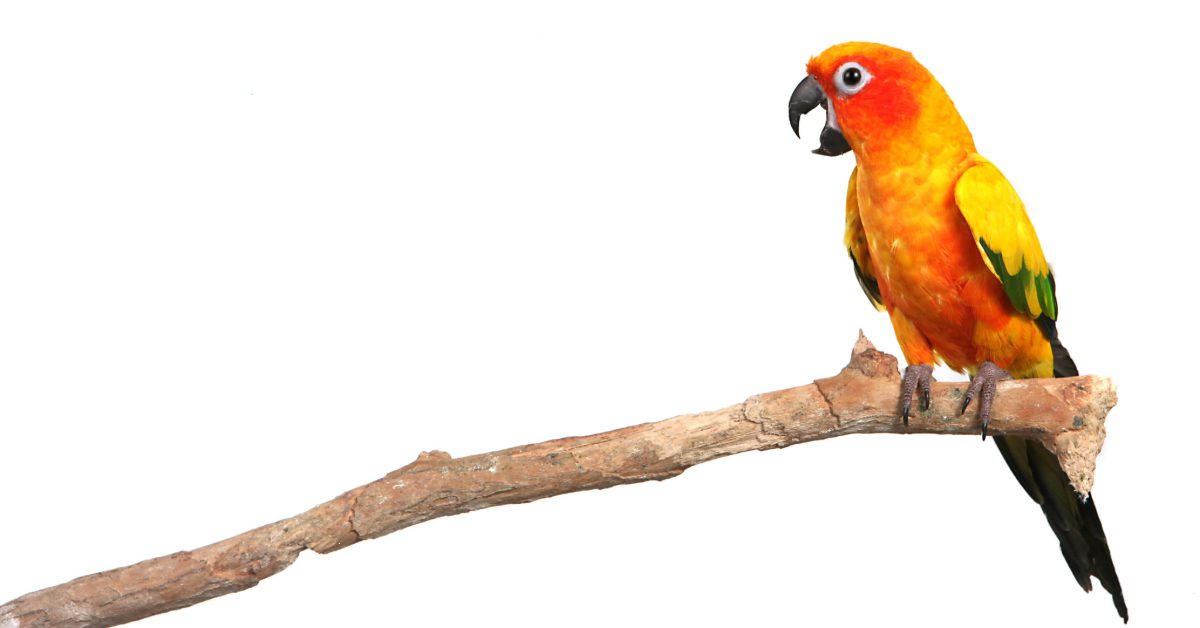
Why Do Parrots Scream?
Screaming is a natural part of parrot communication, and in the wild it keeps flocks together and members safe.
The Flock Call
Wild parrots live in groups and use loud calls to stay in touch across dense forest. A pet parrot treats your household as its flock. When you leave the room and the volume rises, your bird is often asking a simple question: “Where are you?” Many owners who wonder “Why is my parrot screaming?” whenever they step into the kitchen, are hearing exactly this kind of contact call.
Learning That Noise Gets Results
Parrots are quick learners. If a scream brings you running, even to say “quiet down,” your bird may learn that screaming gets a reaction. Attention of any kind can feel like a reward to a social animal. This is one reason owners ask why their parrot is screaming only when they are on the phone or busy with dinner.
Alarm and Excitement
Birds are prey animals, so a hawk passing the window, a new piece of furniture, or an unfamiliar visitor can set off an alarm call. Excitement can trigger loud vocalizing too, such as the sound of the garage door announcing a family member’s return.
The Dawn and Dusk Chorus
Many parrots sound off at sunrise and again in the evening. Wild flocks do the same to coordinate their day, so a daily burst of noise at predictable times is usually normal behavior.
Why Is My Parrot Screaming Suddenly: Normal Noise or Warning Sign?
A predictable, short-lived scream is typically routine, while a new or relentless pattern deserves a closer look.
What Everyday Vocalizing Looks Like
Healthy parrots can be loud, and volume alone does not point to a problem. Typical, expected noise often includes:
- Short bursts at sunrise, sunset, or when family members come and go
- Loud greetings when you enter the room
- Calls that stop once your bird has company or something to chew
- Mimicked sounds, such as ringtones or the microwave
When the Pattern Changes
If you have asked yourself, “Why is my parrot screaming?” more than ever this month, take note of what shifted. A bird who suddenly screams for hours, screams at odd times, or sounds hoarse or strained may be dealing with more than boredom. Birds hide illness well, and a change in voice or behavior is sometimes the first outward clue. Discomfort can show up as unusual vocalizing, so a pattern that does not fit your bird’s history is worth mentioning to a professional.
Other Details to Watch
Pay attention to the whole picture, not just the sound. Changes in appetite, droppings, energy level, or posture alongside the screaming matter. So does any change in breathing or a bird who seems to be sitting fluffed up and quiet between bouts. None of these details points to a specific cause by itself, and only an avian veterinarian can sort out what they mean together.
A Note on Timing
Jotting down when the screaming starts, how long it lasts, and what happens right before can reveal patterns you might otherwise miss. That log is useful for your own understanding and for any future appointment.
How Do Surroundings and Daily Routine Affect Parrot Noise?
A parrot’s environment shapes its voice more than many owners realize, because birds respond closely to light, company, and stimulation.
Sleep and Light
Parrots in the wild get long, dark nights. A bird in a busy living room with the television on late may be tired and cranky, and a tired bird can be a loud one. Light schedules also influence hormones, which can change both mood and volume during certain times of year.
Boredom and Mental Stimulation
Parrots are intelligent animals built to forage, climb, and problem-solve for hours. A bird with little to do may fill the quiet with noise. When owners ask, “Why is my parrot screaming even though the cage is full of toys?” the question is often whether those toys are new, varied, and engaging.
Social Needs
Many species, including cockatoos, conures, and African greys, form strong bonds with their people. Long stretches of isolation can trigger more calling. Some birds also scream when a favorite person is absent or a household member’s routine changes.
Species Differences
Conures and cockatoos are famously loud, while some other species lean toward softer chatter. Knowing what is typical for your bird’s species helps you judge whether the volume is unusual.
Questions worth bringing to your avian veterinarian include:
- How many hours of uninterrupted sleep your bird gets each night
- Where the cage sits in relation to household activity
- How much daily time your bird spends out of the cage with you
- What your bird’s diet and foraging opportunities look like
When Should a Screaming Parrot See an Avian Veterinarian?
If the screaming is new, constant, or paired with other changes, a professional exam is the safest way to find out what is behind it.
Reasons to Book a Visit
Plenty of screaming is behavioral, yet some of it is not. Schedule an exam if the noise appears suddenly, if the sound seems strained or different, or if it comes with changes in eating, droppings, or activity. Even if you are unsure why your parrot screaming, a visit can rule out health concerns and give you a clearer picture of what to expect from your bird.
Why Avian Expertise Matters
Birds have unique anatomy, and their signs of discomfort are subtle. Our team at the Veterinary Center for Birds & Exotics works with feathered patients every day, which helps us recognize the difference between a healthy, vocal parrot and one who needs support. General practices see many species, but avian-focused care brings a depth of knowledge that makes a real difference with birds.
What to Bring to the Appointment
A little preparation helps. Bring notes on when the screaming began, how often it happens, and any recent changes at home such as a move, new pets, or a shift in schedule. A short video recorded on your phone can show the veterinarian exactly what you are hearing. Details about your bird’s diet, sleep routine, and daily activity are also useful.
A Quieter Home Starts With Understanding Your Parrot’s Voice
Every parrot has a vocabulary of calls, and learning to read yours is one of the most rewarding parts of living with a bird. Some noise is simply the sound of a social, intelligent animal being itself. Other times, a change in that voice is a message worth passing along to a professional who knows birds well.
If you are still wondering, “Why is my parrot screaming?” Veterinary Center for Birds & Exotics in Bedford Hills, NY, is glad to help you make sense of it. Call us at (914) 864-1414 to talk through what you are hearing or to schedule an exam, and we will work with you to understand what your parrot is trying to say.
Recent Posts
What Do Pet Rabbits Eat? A Practical Feeding Guide
What do pet rabbits eat? Mostly hay, plus leafy greens and a few pellets. Learn portions and...
Why Do Rabbits Eat Their Poop? The Science Behind a Strange Habit
Why do rabbits eat their poop? Learn about cecotropes, normal vs. concerning droppings, and when to call...
Why Is My Rabbit Not Eating?
Why is my rabbit not eating? Learn common causes, warning signs, and when to call Veterinary Center...
Do Pet Rats Carry Diseases?
Do pet rats carry diseases? Yes, like nearly every animal, they can carry germs, and a small…
How Long Do Pet Rats Live?
Most pet rats live about two to three years, and a few reach four with excellent genetics…
About Veterinary Centers for Birds and Exotics
If you have been looking for specialized care for your bird or exotic pet, look no further! We have you covered. At our unique animal hospital, we provide care to birds and exotics ONLY—no cats and dogs! We are the only bird and exotic veterinary hospital with a full-time, board certified bird specialist, Dr. Laurie Hess. Dr. Hess, who, with her two associates, Dr. Amanda Marino and Dr. Amanda Dewey, are the only full-time veterinarians in Westchester County who are residency-trained in bird and exotic medicine and surgery. Call to schedule an appointment for your pet!