

Wobbly Hedgehog Syndrome: Symptoms, Causes, and More
The first signs of wobbly hedgehog syndrome are usually an unsteady, swaying walk, stumbling, and falling to one side, followed over time by trouble curling into a ball, weakness in the legs, and eventual difficulty moving at all. Because wobbly hedgehog syndrome is a progressive neurological disease, the signs tend to worsen gradually.
Picture a sailor trying to cross the deck of a ship in rough seas. That is how an affected hedgehog may look crossing its own habitat: arms out, body tipping, feet landing a little off target. Many owners first assume their pet is simply clumsy, tired, or young. Then the stumbles become more frequent, and a nagging worry sets in. Our exotic veterinarians at Veterinary Center for Birds & Exotics in Bedford Hills, NY, understand how frightening that moment feels. A clear picture of what the disease looks like, where it comes from, and what support is available can make the days ahead easier for both the hedgehog and the family that loves it.
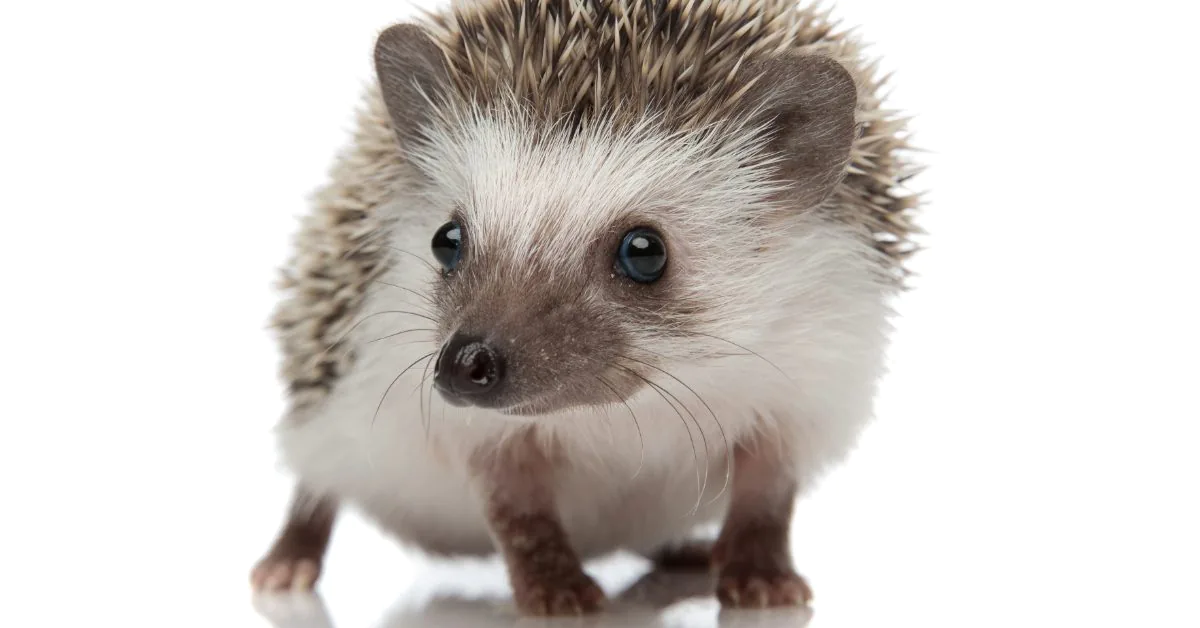
Signs of Wobbly Hedgehog Syndrome
The symptoms of wobbly hedgehog syndrome begin subtly and build over weeks or months, which is why careful observation matters.
Early Changes in Balance
The earliest sign is often a slightly wobbly gait, as though the hedgehog cannot quite coordinate its back legs. Owners may notice a hedgehog that tips to one side, lurches when turning, or falls over after a few steps. Some hedgehogs seem to misjudge distances and miss the edge of the wheel or a step into the hide. Because these first changes can be mild, it helps to watch your pet walk across a flat, open surface each week and compare notes over time. Early recognition of wobbly hedgehog syndrome gives the family more time to prepare and to adjust the habitat.
How the Signs Progress
As the condition advances, the unsteadiness becomes obvious. A hedgehog may drag its feet, struggle to climb, or have trouble rolling into a ball for protection. Muscle weakness can spread, and eventually many affected hedgehogs lose the ability to walk. Appetite and weight often decline because reaching food becomes difficult. The speed varies widely from one animal to the next, so no one can predict the timeline for every individual case.
Signs That Need a Prompt Exam
Wobbliness has several possible explanations, including injuries, infections, and other neurological problems, so only a veterinarian can say what is behind it. Contact an exotics veterinarian if you see any of these changes:
- Swaying, stumbling, or tipping over while walking
- Repeated falls from the wheel or off a low hide
- A hedgehog that cannot fully curl into a ball
- Dragging a limb or visible weakness in the hind legs
- Weight loss or a drop in appetite alongside balance problems
What Is Wobbly Hedgehog Syndrome?
Understanding the basics of wobbly hedgehog syndrome helps owners separate fact from the confusing rumors that circulate online.
A Progressive Neurological Disease
Wobbly hedgehog syndrome, often shortened to WHS, affects the nervous system, particularly the parts that coordinate movement. Nerve and brain tissue change over time, and the animal gradually loses control of its muscles. Some call it a degenerative disease, which simply means it worsens as the years go on. The condition has been described mainly in African pygmy hedgehogs, the type most commonly kept as pets.
When Signs Usually Appear
Signs of wobbly hedgehog syndrome most often show up in young to middle-aged hedgehogs, sometimes before the age of two, although the timing varies. Some animals appear normal for months and then begin to stumble, which can make the first clear sign of wobbly hedgehog syndrome feel sudden even though the disease has been developing quietly. A hedgehog that develops problems early may seem to decline faster, but each case unfolds in its own way. Owners of a hedgehog with wobbly hedgehog syndrome often describe the pattern as good days mixed with harder ones, which makes a simple daily log of mobility and appetite especially useful.
Not Contagious to Other Pets or People
Wobbly hedgehog syndrome does not spread from one animal to another through contact, bedding, or shared supplies. Owners sometimes worry about other hedgehogs in the household, but the issue is inherited, not infectious. Good hygiene is still wise, since hedgehogs can carry other germs, such as Salmonella, that affect people. Washing hands after handling and cleaning the habitat protects the whole household, whether the hedgehog is healthy or not.
What Causes Wobbly Hedgehog Syndrome?
The cause of wobbly hedgehog syndrome is still being studied, yet veterinarians agree that genetics play a central role.
An Inherited Condition
Evidence points to a hereditary basis, meaning the risk passes from parents to their offspring. That is why wobbly hedgehog syndrome tends to appear in certain family lines rather than randomly across the whole population. Nothing an owner does at home, whether feeding, handling, or housing, causes this disease. It is important to say that clearly, because many owners blame themselves when the diagnosis is discussed.
The Role of Breeding
Pet hedgehogs in North America descend from a fairly small group of founding animals, and close breeding can concentrate harmful traits. Responsible breeders keep careful records, avoid breeding animals with a family history of neurological disease, and share what they know with buyers. Even then, no test can tell you today whether a young hedgehog will develop the illness, so honest information from the breeder is the best available protection.
Questions to Ask Before You Adopt
Prospective owners can reduce uncertainty by asking direct questions. Consider bringing this list to a breeder or rescue:
- Have any relatives of this hedgehog shown balance or mobility problems?
- How old were the parents, and are they still healthy?
- Will you share health records and breeding history in writing?
- Do you offer any guidance if a health problem appears later?
Good breeders welcome these questions, and a reluctant answer is worth noting.
Other Causes of a Wobbly Walk
Not every shaky hedgehog has this syndrome. Injuries, infections, tumors, nutritional problems, and other illnesses can all affect coordination. That overlap is the reason a veterinary exam matters before anyone reaches a conclusion.
How Veterinarians Diagnose and Support Affected Hedgehogs
Professional guidance is the only reliable route to answers, and it also opens the door to comfort-focused care.
Ruling Out Other Problems
Your veterinarian at Veterinary Center for Birds & Exotics begins with a thorough physical and neurological exam, watching how the hedgehog walks, how it holds its body, and how it responds to gentle stimulation. Our team will ask about the age of onset, family history, diet, and any recent injuries. Diagnostic tests may be recommended to rule out other conditions that can look similar, and those results help the veterinarian decide how likely wobbly hedgehog syndrome is in a particular case.
Understanding the Limits of Diagnosis
A definitive diagnosis of wobbly hedgehog syndrome currently requires examination of nervous system tissue after a hedgehog has passed away. During life, veterinarians typically reach a presumptive diagnosis based on symptoms, history, and the exclusion of other causes. That limitation can feel unsatisfying, but a presumptive diagnosis is enough to guide a plan for comfort and quality of life.
Supportive Care and Quality of Life
There is no known cure, so care centers on comfort, nutrition, and safety. Your veterinarian may suggest changes to the habitat and daily routine, talk through how to make food and water easier to reach, and monitor weight and skin condition over time. Any medication or supplement should come only from a veterinarian, because tiny animals can react strongly to products meant for other species. Regular rechecks let the team follow how your hedgehog is doing and discuss when the burdens of the illness begin to outweigh its joys.
Caring for the Family, Too
Watching a beloved pet decline is difficult. Honest conversations with your veterinarian about expectations, comfort, and end-of-life choices can bring peace of mind. Many families find that gentle handling, a warm habitat, and favorite treats offered in small amounts keep their hedgehog engaged for as long as possible.
You Do Not Have to Face a Wobbly Walk Alone
A hedgehog that starts to stumble can leave an owner feeling helpless, yet early attention and steady support make a real difference. Wobbly hedgehog syndrome cannot be cured, but a veterinary team can rule out other causes of unsteadiness, explain what to expect, and help you build a comfortable routine for the days ahead, from habitat adjustments to regular rechecks that track how your hedgehog is feeling. Video clips of your hedgehog walking, notes on when the wobbling began, and any family history from your breeder all give the exam room valuable context. If your pet is swaying, tipping over, or struggling to curl up, contact Veterinary Center for Birds & Exotics in Bedford Hills, NY at (914) 864-1414 to schedule an exam and talk through your hedgehog’s needs with a team that cares for exotic pets every day.
Recent Posts
MBD (Metabolic Bone Disease) in Leopard Geckos
The early signs of MBD in leopard geckos include walking with the belly dragging on the ground,…
How to Take Care of a Gecko
Geckos are a favorite among first-time reptile owners. They are quiet, fairly compact, and full of personality,…
How Big Do Leopard Geckos Get?
Most adult leopard geckos grow 7 to 10 inches long from nose to tail tip and weigh…
Snake Mouth Rot: Signs, Causes, and Treatment
The most common signs of snake mouth rot are tiny red spots or bleeding along the gums,…
Do Snakes Lay Eggs?
Do snakes lay eggs? Yes, most snakes lay eggs, but not all of them. Roughly 70 percent…
About Veterinary Centers for Birds and Exotics
If you have been looking for specialized care for your bird or exotic pet, look no further! We have you covered. At our unique animal hospital, we provide care to birds and exotics ONLY—no cats and dogs! We are the only bird and exotic veterinary hospital with a full-time, board certified bird specialist, Dr. Laurie Hess. Dr. Hess, who, with her associates, are the only full-time veterinarians in Westchester County who are residency-trained in bird and exotic medicine and surgery. Call to schedule an appointment for your pet!